From a simple flatbread to a global culinary icon, pizza is
From a simple flatbread to a global culinary icon, pizza is more than just a quick meal—it’s a roadmap of human history.
Whether you are grabbing a quick slice on a street corner in Manhattan or sitting down for a heavy deep-dish feast in the Windy City, understanding different pizza styles helps you appreciate the craftsmanship behind every bite. From the strict traditions of Naples to the bold, oversized innovations of America, the world of pizza is defined by its dough, sauce, and cheese.
* Regional Staples: Learn the core differences between Neapolitan (airy/chewy), New York (large/foldable), and Chicago (thick/deep-dish) styles. * Historical Evolution: Trace how Italian street food transformed into an American mainstream powerhouse. * Flavor Fundamentals: Discover how fermentation, tomato acidity, and cheese fat content dictate the ultimate pizza experience.
What Makes Authentic Neapolitan Pizza So Special?
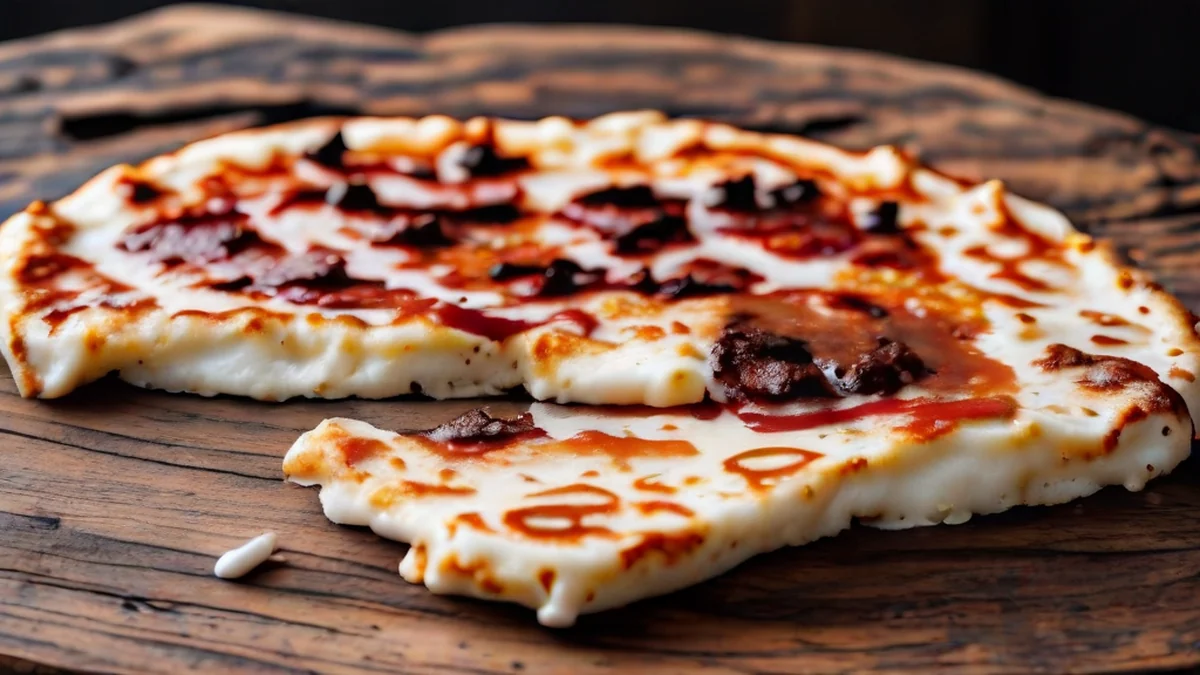
If you want to find the true soul of pizza, you have to look toward Naples, Italy. This isn't just "thin-crust" pizza; it is a highly regulated culinary art form. In fact, the art of the Neapolitan *Pizzaiuolo* is so culturally significant that it has been recognized by UNESCO as part of the Intangible Cultural Heritage of Humanity.
The gold standard is, of course, the Margherita. Legend has it that this pizza was created in 1889 to honor Queen Margherita of Italy, using ingredients that mirrored the national flag: red tomatoes, white mozzarella, and green basil. The magic happens in a wood-fired oven reaching temperatures between 800°F and 900°F. Because the heat is so intense, the pizza cooks in just 60 to 90 seconds. This rapid blast creates the *cornicione*—that beautiful, puffy, charred outer rim that stays airy on the inside while remaining incredibly soft.
I remember visiting a tiny *pizzeria* tucked away in a side street near Naples a few years ago. I realized then that Neapolitan pizza isn't about "toppings"—it’s about the quality of the basics. When you taste San Marzano tomatoes (grown in volcanic soil) paired with creamy *Mozzarella di Bufala*, there is no need for extra grease or heavy spices. It is a pure, bright explosion of flavor that makes standard delivery pizza feel like an afterthought.
The Great American Divide: New York vs. Chicago
When Italian immigrants brought their recipes to the United States, the sheer scale of American agriculture and culture caused pizza to evolve into something entirely new. This led to two legendary, yet polar opposite, styles: the New York Slice and the Chicago Deep Dish.
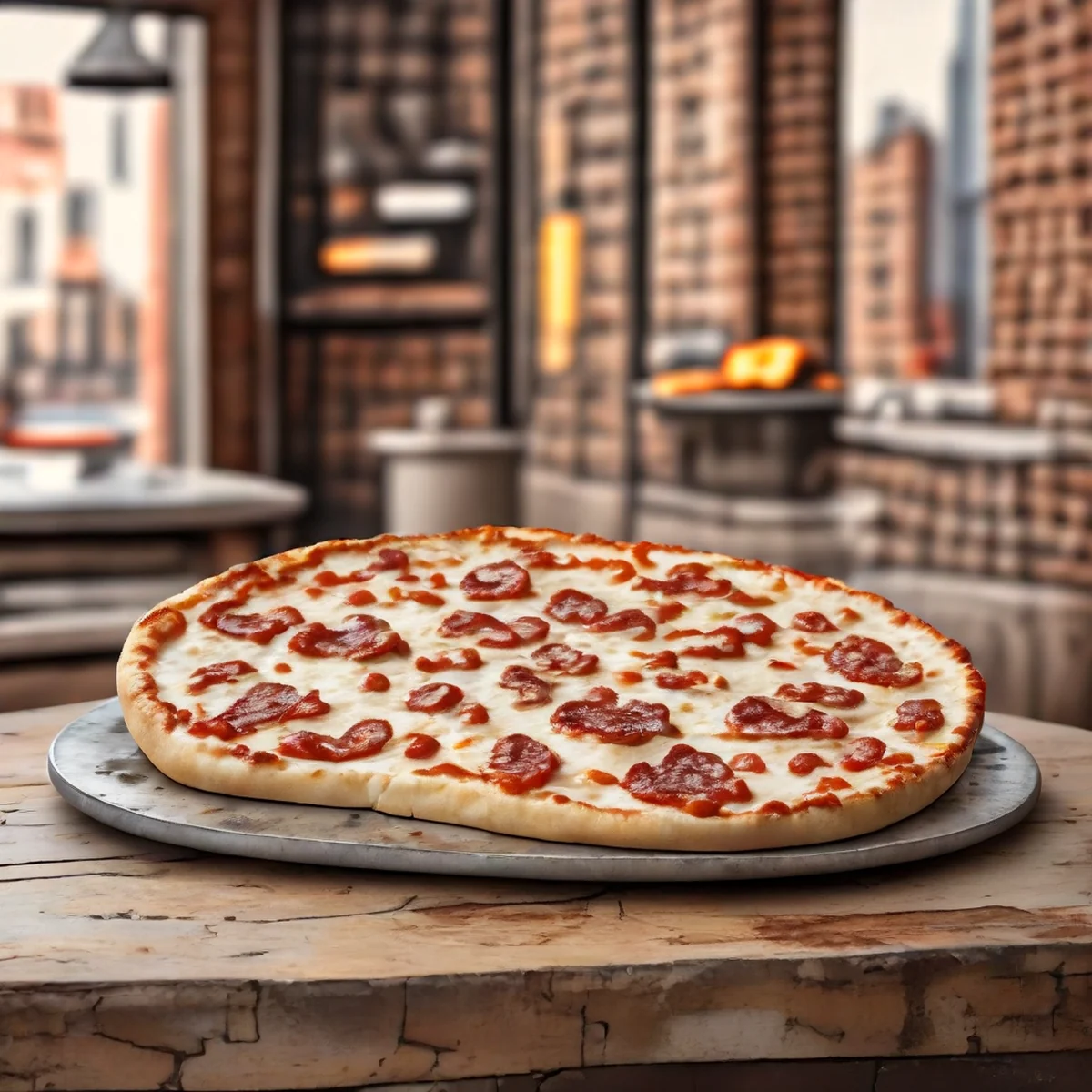
The New York style is the king of "on-the-go" eating. It features a large, wide crust that is thin enough to be flexible but sturdy enough to hold a generous amount of cheese and pepperoni. If you’ve ever been in NYC, you know the ritual: you grab a slice, fold it in half lengthwise to prevent the tip from drooping, and eat it while walking. It was designed for the fast-paced urban lifestyle—efficient, satisfying, and iconic.
On the other end of the spectrum is Chicago's Deep Dish, which often sparks heated debates about whether it even qualifies as "pizza" or if it’s more like a savory pie. Instead of spreading toppings on top of the dough, Chicago style uses a deep, oiled pan. They layer it in reverse: a thick bed of cheese goes in first, followed by meats and vegetables, and finally, a heavy layer of chunky tomato sauce on top. It is dense, buttery, and incredibly filling. While New York is a quick lunch, Chicago Deep Dish is a full-blown sit-down event.
How Pizza Styles Continue to Evolve Globally
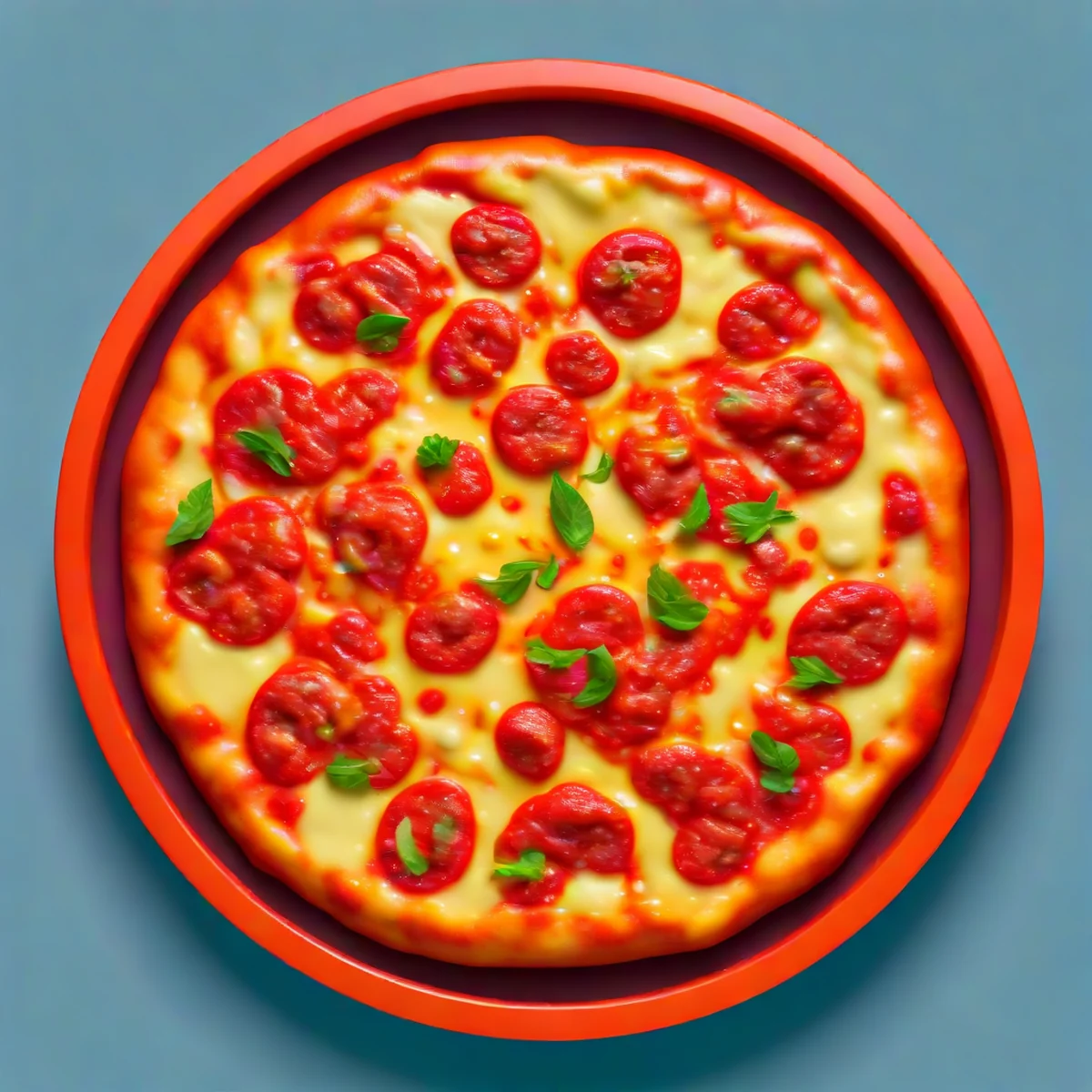
In the modern era, pizza has moved beyond geographical borders to become a "platform food"—a canvas for endless creativity. We are seeing a shift away from standard pepperoni toward more gourmet, artisanal profiles.
One major trend is the rise of *Pizza Bianca* (white pizza), which ditches the tomato sauce entirely in favor of olive oil, garlic, and high-quality cheeses like ricotta or fontina. Another popular movement among foodies is adding fresh toppings *after* the bake, such as wild arugula and salty prosciutto, to maintain a contrast between hot dough and cool, fresh ingredients.
We also see fascinating regional adaptations worldwide. In parts of Asia, you might find pizza topped with sweet potato mousse or savory Bulgogi, which might seem unconventional to a traditionalist but serves as a perfect example of how pizza integrates into local palates. It proves that pizza is no longer just an Italian or American dish; it belongs to whoever is holding the dough.
The Science of Flavor: Dough, Sauce, and Cheese
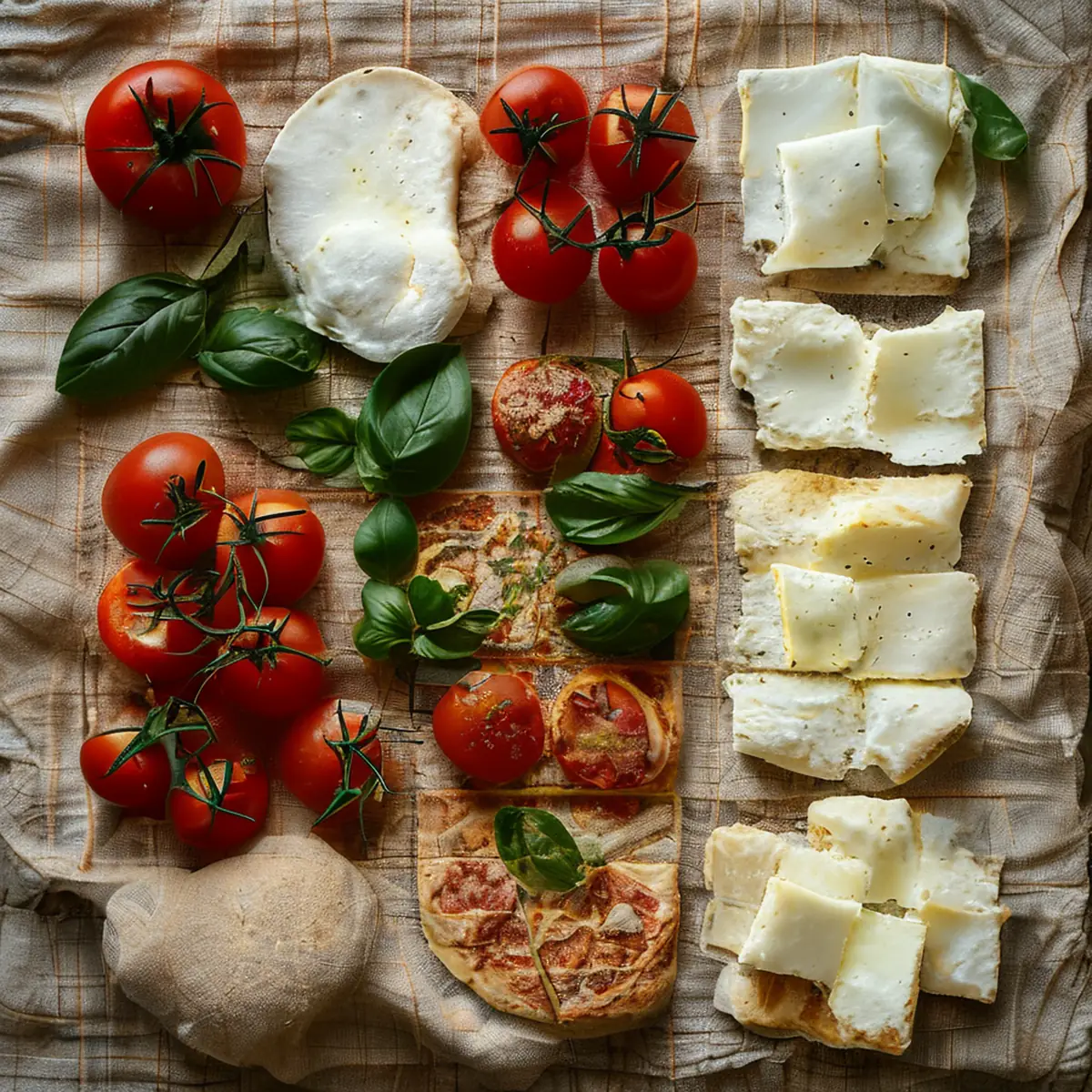
To become a true pizza connoisseur, you need to understand the three pillars that determine quality. If you know these, you can predict whether a pizza will be a hit or a miss before you even order.
- The Dough: This is all about gluten and fermentation. High-protein flour combined with long, cold fermentation periods produces that chewy, complex flavor found in Neapolitan styles. Conversely, American-style doughs often include sugar or oil, resulting in a softer, more tender, and slightly sweeter crust.
- The Sauce: Traditional Italian sauce relies on the natural acidity and sweetness of fresh tomatoes with minimal seasoning. American sauces, however, tend to be more robust, often simmered with dried herbs and a bit of sugar to create a savory-sweet profile that stands up to heavy toppings.
- The Cheese: Mozzarella is the backbone due to its incredible meltability and stretch. However, the fat content is what provides the "mouthfeel." Adding aged cheeses like Parmigiano-Reggiano adds a salty, umami punch, while blue cheeses can add a sharp, sophisticated funk to specialty pies.




Comments 0