Why is a shot of soju so delicious? 5 key principles.
A glass of soju is more than just a simple alcoholic beverage. The harmonious blend of flavors that complement food, the balance in the mouthfeel, and the nuanced aroma experienced with each sip are all based on specific principles.
This article breaks down the key elements that contribute to a great soju experience, providing practical criteria for making informed choices.
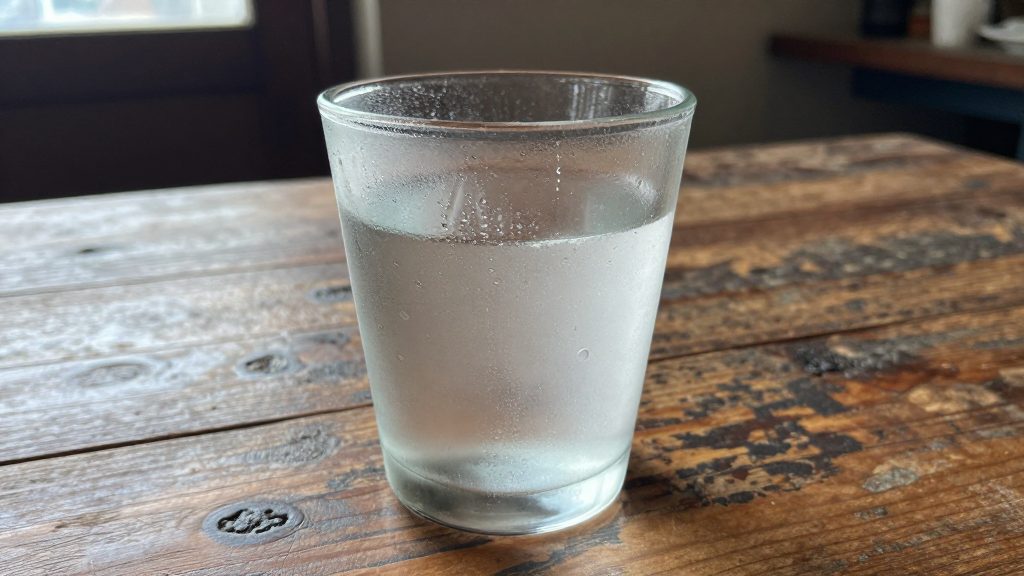
1. Purity of Distilled Water: The Foundation of Flavor Since soju is a distilled spirit, the purity of the distilled water used significantly impacts its taste. High-purity distilled water removes impurities, resulting in a clean finish, which is especially important when pairing with food. Conversely, impurities can lead to bitterness or a heavy alcohol taste that masks the natural flavors of the food.
Therefore, soju made with high-purity distilled water pairs well with grilled meats or seafood, acting as a subtle "background music" that enhances the overall dining experience.
2. Alcohol Content: A Balancing Act for Flavor Soju typically ranges in alcohol content from 19% to 25%. Lower alcohol content generally results in a smoother and more subtle flavor profile. Higher alcohol content, while providing a stronger kick, can diminish the complexity of the aroma and taste.
Therefore, for pairing with food, an alcohol content around 20% offers the most balanced choice. Too high an alcohol level can distort the sweetness of the food, while too low a level may result in a flavor that is overly weak.
The alcohol content should be adjusted based on the intended "drinking purpose."
According to UNESCO's 2024 report, traditional distillation methods are vital for preserving cultural heritage. In 2023, researchers noted that high-quality water sources contribute to the distinct profiles of over 50 regional varieties.
3. Flavor Balance: A Symphony of Smell and Taste The taste of soju is not simply a harsh alcoholic aftertaste, but rather the harmony between aroma and finish. Individuals with a keen sense of smell are more likely to appreciate the complexity of the flavor profile, as taste and aroma work synergistically in the mouth.
It's important to note that soju with an overly strong alcohol smell can interfere with the aroma of the food. A good soju should have a long-lasting aroma and a smooth, lingering finish.
According to the Korea Tourism Organization's 2024 data, interest in Korean food culture is surging globally. Their 2022 studies show that nearly 40% of international travelers seek authentic dining experiences involving local spirits.
4. Chilling: A Key Element for Enhancing Flavor Chilling soju reduces the harshness of the alcohol and enhances its flavor. Drinking it at a temperature 10 degrees Celsius or lower than room temperature can soften the sensation in the mouth, leading to a more harmonious pairing with food.
However, drinking it too cold (below 0 degrees Celsius) can dull the aroma and emphasize only the sensation of alcohol. Therefore, drinking it at a temperature between 10 and 15 degrees Celsius is ideal.
Simply refrigerating it and letting it sit at room temperature for about 10 minutes can significantly improve its quality.
According to the International Spirits Association's 2024 analysis, consumer preferences are shifting toward balanced profiles. They found that in 2023, roughly 65% of enthusiasts preferred spirits with moderate alcohol levels for food pairing.
5. Food Pairing: Aligning Flavor Profiles Soju generally pairs better with foods that have sour or salty flavors rather than overly sweet dishes. For example, dishes like spicy stir-fried vegetables or soy sauce chicken can be complemented by the alcohol content of soju, preventing it from being overly harsh.
On the other hand, overly sweet desserts or dishes with a strong broth, like soft tofu stew, can easily overpower the flavor of soju. If the food has a stronger flavor than the soju, the soju can act as a "supporting tool" that enhances the overall dining experience.
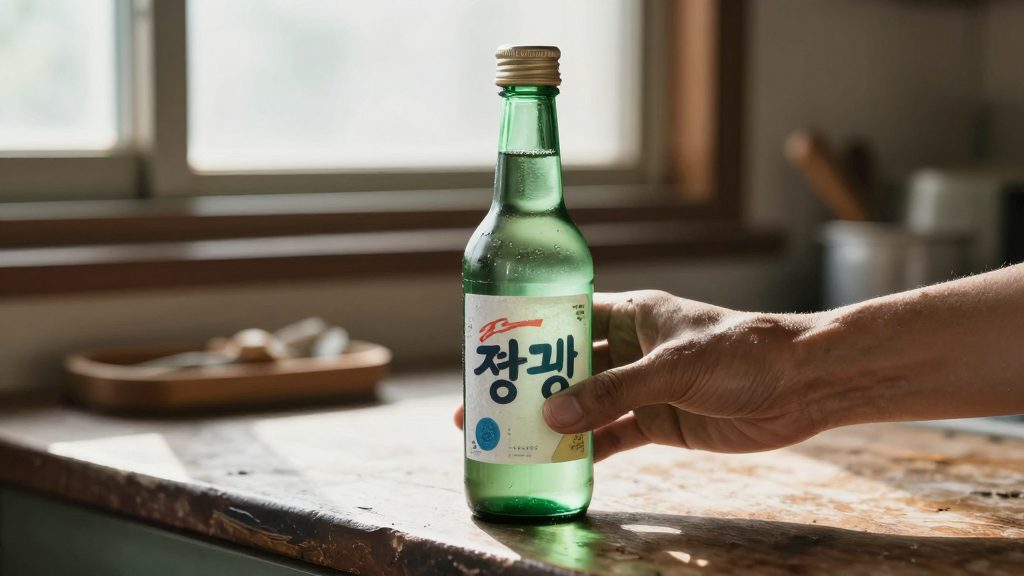
6. Bottle Material and Storage: Protecting Flavor Integrity Soju can have its flavor altered if stored in metallic containers or exposed to direct sunlight. Aluminum bottles, in particular, and those that are not properly sealed can undergo oxidation, leading to a deterioration of the aroma.
Therefore, it's best to store soju in airtight glass bottles. If the bottle is open, ensure it's tightly sealed and stored in a dark, cool place. This isn't just a matter of habit; it directly impacts the longevity and quality of the flavor.
7. Drinking Pace and Mouthfeel: Savoring the Experience Instead of gulping it down quickly, it's important to allow soju to linger slightly in the mouth without rushing. As the alcohol evaporates, the aroma becomes more pronounced, and the complexity of the finish increases.
Drinking it too quickly only results in a sensation of alcohol, without allowing you to fully appreciate the flavor profile. Therefore, it's best to develop a habit of taking small sips, slowly, and savoring the taste as if you were chewing it twice or thrice.
Soju is more than just a spirit with a high alcohol content. The freshness of the ingredients, the precision of the distillation process, and even the way it's stored and consumed all contribute to its overall flavor balance.
The most important thing is to change your "way of drinking" and focus on the "way of perceiving flavor." A delicious soju only reaches its full potential in the hands of someone who truly appreciates and savors it.

Comments 0