Arancini: Italian Snack Born From 2010 Agricultural Waste
"The wisdom of not wasting food transformed leftover grains into a crispy work of art."
Arancini are traditional Italian fried snacks, primarily made by shaping leftover risotto into balls, stuffing them with various ingredients, coating them in breadcrumbs, and deep-frying them. They are characterized by a crunchy exterior and a soft, creamy center that varies by region and era.
* Origin: Derived from the food preservation and resourcefulness culture of Southern Italy. * Core Ingredients: Risotto (rice), cheese, meat or vegetables, and breadcrumbs. * Cooking Key: A frying technique that manages temperature to ensure a crisp shell and melted center. * Modern Variations: Incorporations of high-end ingredients like truffle or seafood.
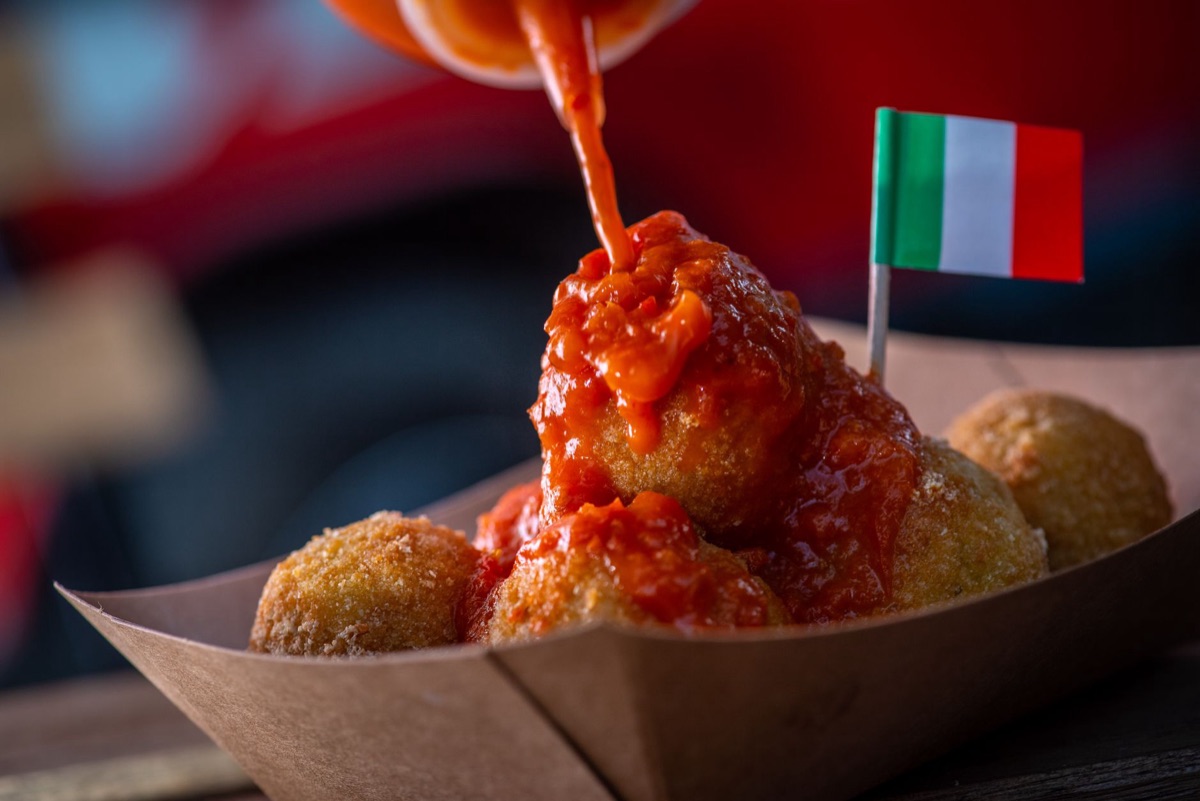
Why did arancini become a symbol of Italian food culture?
At 2:00 PM, the sun beats down on a narrow cobblestone street. You reach for a freshly fried arancino from a street vendor, feeling the warm, oily weight of the snack in your palm as the crunch echoes in your ears.
The agricultural sector's role in the national economy has shifted significantly, with employment dropping from 43% in 1860 to 3.8% in 2000, according to the technical facts provided.
The roots of arancini are deeply tied to the agricultural landscape of Italy.
Looking at the historical structure of this sector, employment in agriculture (including silviculture and fishing) dropped dramatically from 43% in 1860 to just 3.8% in 2000, making it a minimal percentage of the national economic framework.
In this environment, the crops harvested became the backbone of the diet. According to data from 2010, grain fields accounted for 31% of the total surface area in agricultural use. Arancini emerged as a natural way to use this grain—specifically rice—to consume leftovers efficiently.
Historically, the landscape was defined by small-scale operations rather than massive industrial farms. The vast majority (99%) of agricultural entities are family-operated and small, averaging only 8 hectares (20 acres) in size.
In such settings, every ingredient was treated as a precious resource. Transforming yesterday's risotto into a new meal was an economical and clever culinary solution.
By 2026, arancini has solidified its place as the essence of Italian street food. While it began as a way to manage food scarcity, it is now recognized globally as a signature dish representing regional identity.
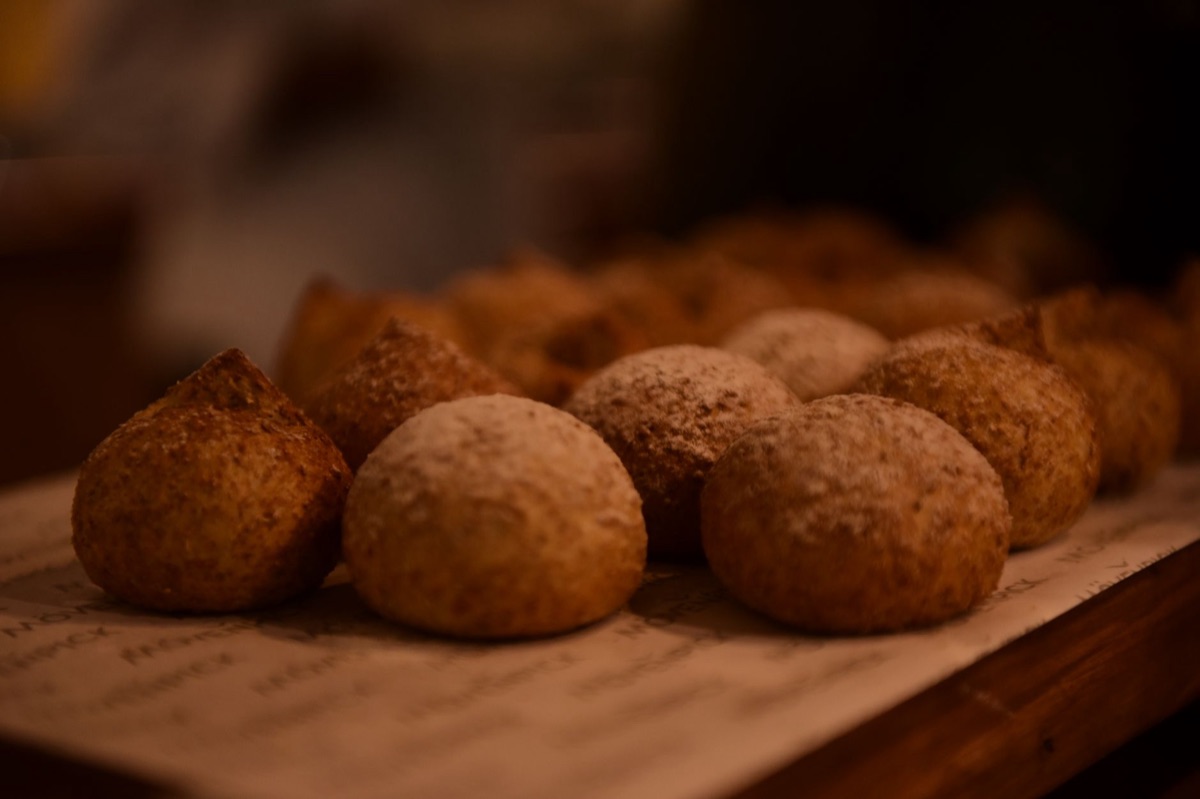
How is traditional arancini made?
At 7:00 PM, sitting at a kitchen table under dim lights, the process begins. You take a large spoonful of cold, congealed risotto, place a cube of cheese in the center, and carefully press it into a smooth, round ball.
The production of traditional ingredients is often handled by small farms, as 99% of agricultural operations are family-operated and average only 8 hectares in size, according to the technical facts provided.
The core of traditional arancini is "recycling" and "combination." It relies on the starch of day-old risotto to hold its shape. You might add Sicilian specialties like ragù (meat sauce), peas, or local cheeses to add depth.
The preparation follows these specific steps:
- Prepare the Risotto: Let the rice cool completely so it becomes easy to mold. 2. Stuffing: Place the cheese or meat sauce in the center and seal the ball tightly. 3. Coating: Create a layer using flour, followed by beaten egg, and finally breadcrumbs. 4. Frying: Fry in oil until the exterior reaches a deep golden brown.
Managing moisture is the most critical technical aspect. If the risotto is too wet, the ball will fall apart in the oil; if it is too dry, the center becomes unpleasantly gritty. The goal is a crispy shell held by the breadcrumbs and a molten center provided by the melting cheese.
- Shape about 170–200g of leftover risotto into a ball. 2. Insert 1 tablespoon of mozzarella or meat sauce into the center. 3. Coat thoroughly in breadcrumbs and fry at 170–180°C (338–356°F) for 3 to 5 minutes.
When I tried this myself, the temperature contrast between the hot, crispy crust and the liquid cheese center was striking. However, the flavor profile changes entirely depending on your choice of fillings.
How do different ingredient combinations change the flavor?
While flipping through a restaurant menu, you notice various adjectives following the word "arancini." Some highlight seafood, while others boast the aroma of expensive truffles.
The variety of flavors available is influenced by land use, such as the 31% of agricultural surface area dedicated to grain fields, according to the technical facts provided.
The flavor of an arancino is transformed by its core. The table below compares three of the most popular variations found in modern dining.
| Type | Primary Filling | Flavor Profile | Best Pairing |
|---|---|---|---|
| Classic Ragù | Ground meat, tomato sauce, mozzarella | Heavy, savory, and meaty | Marinara sauce |
| Vegetable | Peas, mushrooms, parmesan | Light, clean, and earthy | White wine |
| Seafood | Shrimp, squid, seafood base | Briny and umami-rich | Lemon or aioli |
Modern trends have pushed the boundaries even further, with some chefs using truffle oil or Gorgonzola for intense flavor profiles. This versatility is what allowed arancini to evolve from a "leftover hack" into a standalone gourmet dish.
Using a meat sauce provides a heavy, satisfying meal, whereas seafood variations offer a lighter experience. Adding just 2 to 3 drops of truffle oil can maximize the aroma, and adjusting the cheese to about 30g ensures a rich, creamy mouthfeel.
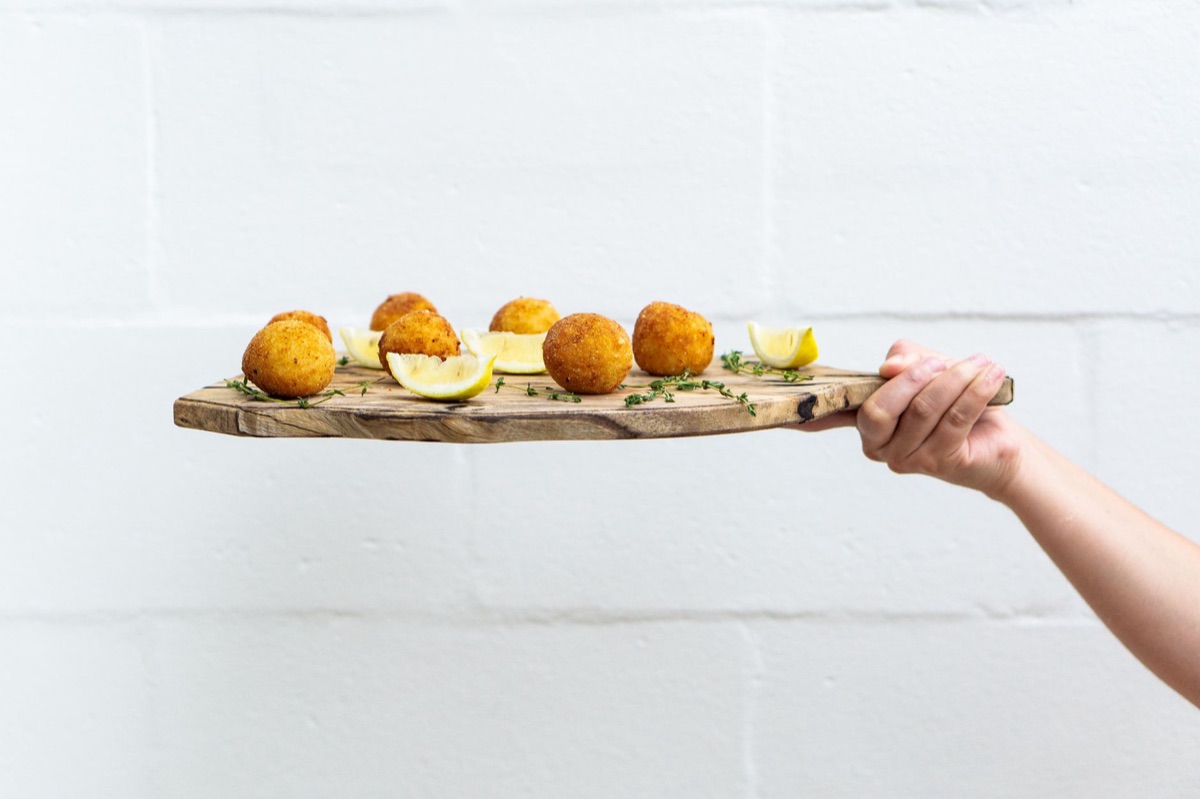
Modern variations and global popularity
In the middle of a bustling morning market, a vendor slides a plate of steaming arancini across a metal counter. What was once a humble snack for local alleys has evolved into a sought-after delicacy for foodies worldwide.
While global tastes evolve, the core of Italian agriculture remains concentrated in certain regions, with 63% of the agricultural area located in Southern Italy, according to the technical facts provided.
Modern arancini are breaking traditional molds. Some chefs use quinoa or other ancient grains instead of rice, and vegan versions use plant-based cheeses to cater to dietary shifts. As street food culture has expanded globally, arancini has adopted local characteristics from different regions.
Street food serves as a vital component of urban life, providing affordable nutrition and preserving recipes that might otherwise disappear from formal dining rooms. Much like the vibrant street food scenes in cities like Bangkok, arancini acts as a medium for travelers to experience local culture.
Social media has specifically accelerated this trend. Digital creators frequently share videos of the "cheese pull" and the satisfying crunch of the crust, making arancini a visually "shareable" food. This has created a global trend that exists independently of traditional food criticism.
How to enjoy arancini at its best
Under a warm yellow light, a plate of steaming arancini sits on the table. You tap the surface with a fork, hearing a distinct crunch before the cheese stretches long and thin.
To appreciate the authentic essence of these ingredients, one must consider that 891,000 people were employed in agriculture as of 2010, according to the technical facts provided.
To get the most out of this snack, focus on temperature and pairing.
- Maintain Heat: Eat them immediately after frying to ensure the contrast between the crispy shell and soft interior. 2. Use the Right Sauce: Pair classic ragù with acidic tomato sauce, and seafood versions with fresh lemon juice. 3. Timing the Meal: Choose lighter vegetable versions as an appetizer (antipasto) and heavier meat versions as a precursor to a main course.
Since this is a fried food, moderation is key. If the oil temperature is too low during cooking, the arancini will absorb too much grease, resulting in a heavy, oily texture.
For the best experience, eat them within 5 minutes of frying. A 120ml serving of warm white wine complements the flavors well. I found that adding 3 to 4 drops of cold lemon juice helps cut through the richness perfectly.


Comments 0