85% Water, 8% Protein: Understanding Tofu's Nutrition
Tracing the journey of tofu from simple soybean slurry to a global culinary staple reveals a fascinating interplay between ancient tradition and modern biochemical precision.
Tofu is a versatile, plant-based protein that has transitioned from an ancient staple to a modern dietary powerhouse. By understanding the balance of soy protein, water, and coagulants, we can see how a single bean becomes everything from silken jelly to firm blocks.
* Tofu production is a controlled coagulation process involving specific soybean preparations and setting agents. * The process balances traditional, slow methods with modern industrial scaling for consistency and efficiency. * Tofu is a highly nutritious food with a low environmental footprint when produced sustainably. * Variations in pressing and aging create diverse textures, from silken to firm blocks.

What is Tofu and Why is it So Nutritious?
Standing in a bright grocery aisle on a Tuesday morning in 2025, I once picked up a block of tofu and wondered how something so simple could hold so much weight in a global diet. It felt light, almost weightless in my hand, yet it promised to be the center of a meal.
Raw tofu is primarily composed of 85% water, with significant contributions from 8% protein, 5% carbohydrates, and 5% fat. In a standard 100g (3.5 oz) serving, tofu supplies 76 calories.
It is a rich source of essential minerals, providing 20% or more of the Daily Value for calcium, copper, iron, and manganese.
Beyond the individual plate, the environmental profile of this food is remarkably efficient. The cultivation of tofu has one of the lowest needs for land use, requiring only 1.3 m² per 1000 kcal.
It also emits some of the lowest amounts of greenhouse gas emissions per gram of edible protein of any food, at approximately 1.6 kg CO2 per 100 g of protein.
While the base block is mostly water, the concentration of nutrients can shift depending on how the soy is processed. For instance, fermented tofu can achieve a higher protein concentration, ranging from 12–22%. This density makes it a versatile tool for both nutrition and culinary texture.
However, the nutritional profile is not static; the degree of processing dictates exactly what reaches your plate.
The Traditional Path: How is Tofu Made?
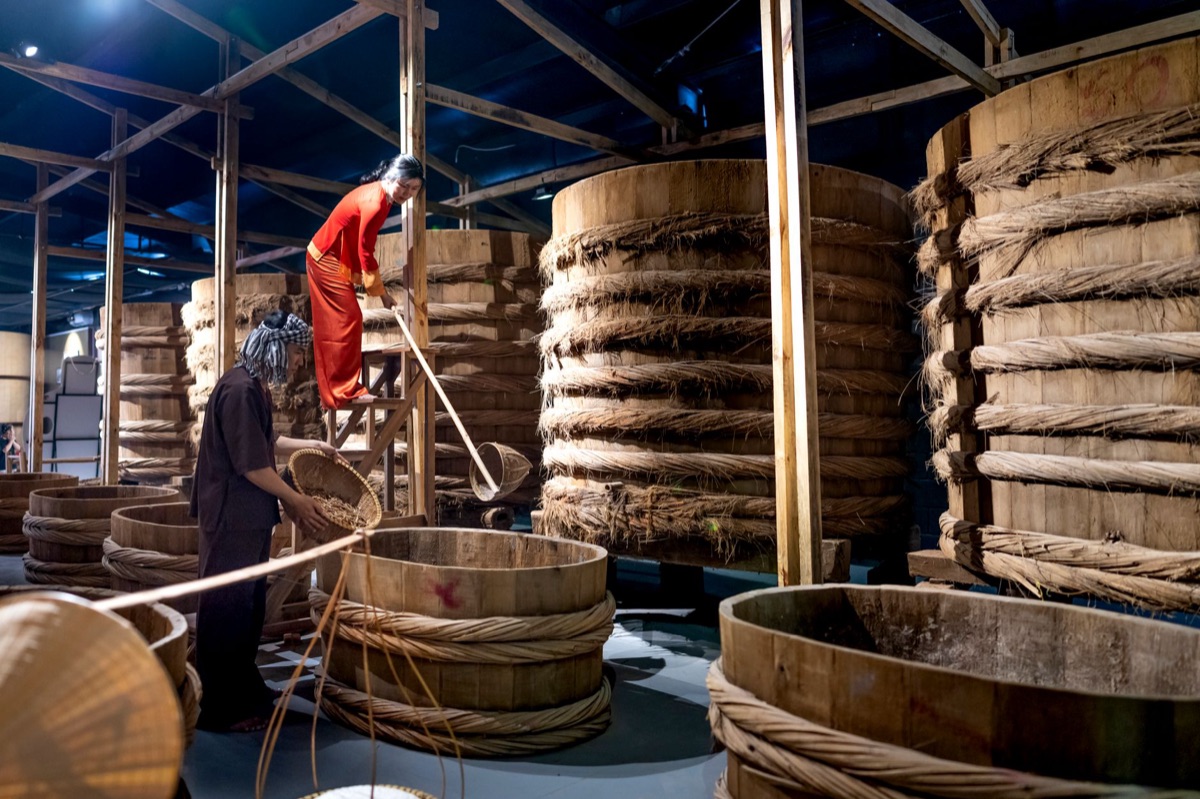
In a small kitchen in rural East Asia in the spring of s 2025, the morning air is thick with the scent of toasted soy and the sound of rhythmic grinding. A producer carefully watches the steam rising from a large vat, knowing that the slightest change in temperature could ruin the entire batch.
The process begins with the careful selection of soybeans, as the oil content and protein quality of the specific variety dictate the potential of the final product. The beans are soaked in water until they swell, then ground into a thick, creamy slurry.
This mixture is heated to separate the soy milk from the insoluble fiber, known as okara.
Once the soy milk is extracted, the magic of coagulation happens. Traditional setting agents, such as nigari (magnesium chloride) or gypsum, are added to the warm soy milk. This causes the proteins to clump together, separating the solid curds from the liquid whey.
The final stage is a physical battle of pressure. The curds are gathered into cloth bags and placed under heavy weights to press out the remaining liquid.
Depending on how much weight is applied and how long the pressing lasts, the tofu can emerge as anything from soft and delicate to firm and resilient.
While these manual methods produce incredible flavor, scaling this level of care to feed millions presents a massive challenge.
Modernizing the Process: Scaling Up Tofu Production
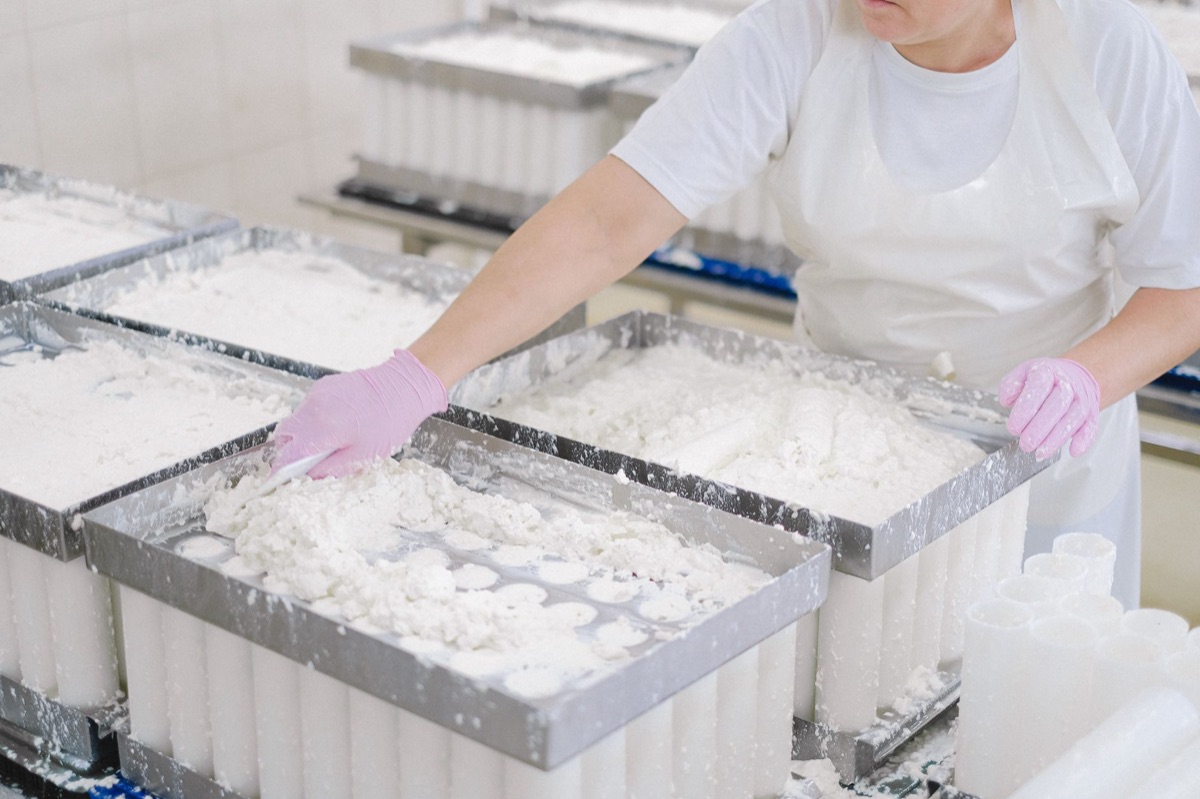
Walking through a massive industrial food plant in late 2025, the silence of the old ways is replaced by the hum of stainless steel and the rhythmic pulse of automated conveyor belts. Here, the artisan's touch is replaced by digital sensors that monitor every degree of heat.
Modern industrial scaling uses massive vats and precision machinery to replicate the traditional process on a global scale. In these facilities, engineers can precisely control temperature and pressure to ensure that every block of tofu is identical to the last.
This consistency is vital for commercial food service and global distribution.
Modern technology also allows for the creation of specialized textures that were difficult to achieve with manual pressing alone. For example, certain types like *Baiye*, *qianzhang*, or *gandoufu* are produced to be very flat, reaching a thickness of about 2 mm.
These extra-firm varieties are perfect for slicing or frying.
Beyond texture, modern fermentation techniques have also seen an evolution. In some processes, the tofu is fermented for s 12 hours before being sold on the streets, adding layers of complexity to the flavor profile.
This balance of high-tech control and biological fermentation allows for a massive variety of products to reach consumers worldwide. But how does this technical mastery translate to the dinner table?
From Block to Beyond: The Lifecycle of Tofu
A chef in a busy metropolitan kitchen in 2026 pulls a vacuum-sealed pack of tofu from a refrigerator, checking the label to ensure the texture is right for the evening's stir-fry. The block is firm, cool to the touch, and ready to be sliced into perfect cubes.
After production, the aging process can play a significant role in the food's identity. In some traditions, aging the tofu helps develop unique flavors and can extend its shelf life. This period of rest allows the protein structure to stabilize, depending on the specific type of tofu being made.
The culinary applications of tofu are nearly endless. In some cultures, it is gently simmered in soups to maintain its silken texture, while in others, it is pressed into firm cakes or deep-fried to create a crispy exterior with a creamy center.
Because of its ability to absorb flavors, it acts as a blank canvas for spices and sauces.
Proper storage is the final, critical step in the lifecycle. Because of its high water content, tofu must be kept refrigerated to prevent spoilage. In many households, leftover tofu is kept submerged in clean, filtered water to maintain its texture and prevent it from drying out.
| Feature | Traditional Method | Modern Industrial Method |
|---|---|---|
| Primary Focus | Small-batch flavor and texture | Consistency and mass distribution |
| Coagulation | Manual addition of natural salts | Automated, precision-dosed agents |
| Pressing | Hand-weighted cloth bags | Hydraulic presses and automated molds |
| Resulting Texture | Highly variable, artisanal | Precisely controlled (Silken to Extra-Firm) |
How to Prepare Tofu at Home: A Step-by-Step Guide
When I first started cooking with tofu in 2025, I struggled with the texture. I realized that the secret isn't just the seasoning, but how you handle the water content before the heat hits the pan.
If you want to move from a soggy block to a restaurant-quality meal, follow this sequence:
- Drain and Rinse: Remove the tofu from its packaging and rinse it under cool, filtered water to remove any residual brine or soy scent.
- Press the Moisture: Place the block between two sheets of clean paper towels on a flat plate. Place a second plate on top and weigh it down with a heavy object (like a medium-sized can) for 15 to 20 minutes.
- Slice Uniformly: Cut the pressed block into even shapes—cubes for stews or thin planks for pan-searing—to ensure consistent cooking times.
- Seasoning: Pat the surface dry one last time with a fresh paper towel before adding oil or spices to prevent splattering.
Note that this process is primarily for firm or extra-firm varieties; silken tofu is too delicate for pressing and should be handled with much more care.
Summary of the Soy Transformation
The journey from a single soybean to a versatile block of tofu is a masterclass in food science. It begins with the simple chemistry of soy milk and the addition of a coagulant to create curds.
From there, the balance of pressing and temperature determines whether the result is a soft silk or a firm block.
Whether produced in a traditional kitchen or a high-tech factory, tofu remains one of the most efficient and nutritious proteins on the planet.
Its low environmental footprint and high nutrient density make it a staple that bridges the gap between ancient tradition and the needs of a growing global population.

Comments 0