Enjoying Soju and Food Together: The Art of Pairing and
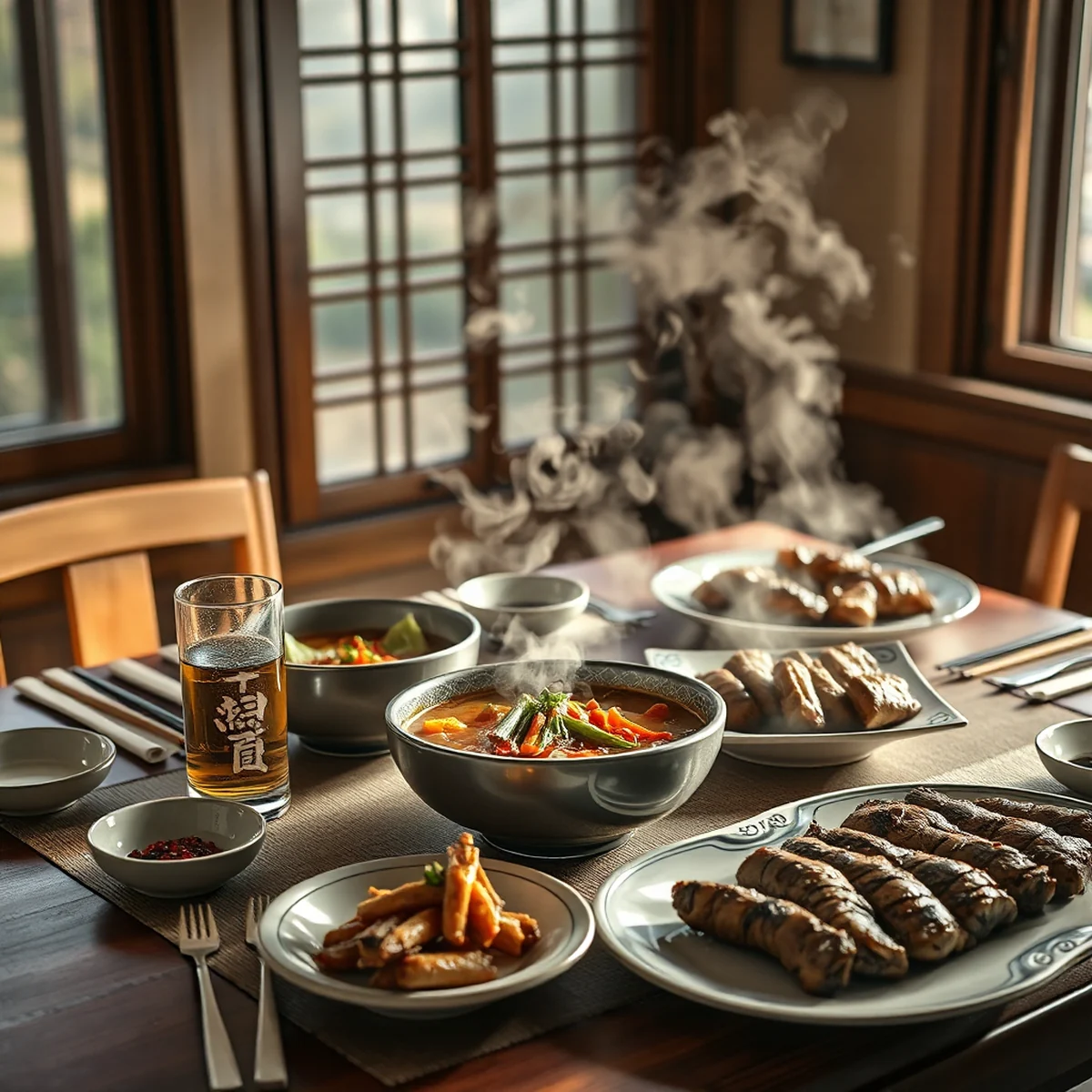
Soju is more than just a drink; it's an integral part of Korean food culture. It plays a crucial role in enhancing the depth of flavor and completing the dining experience, especially when enjoyed with home-cooked meals or various dishes.
However, viewing soju solely as "just a drink" is limiting its potential.
When paired with food, soju can become an ingredient in itself. Therefore, let's delve into the relationship between soju and cooking, exploring how these two elements can harmonize to create a more flavorful experience.
This article differs from previous blog posts on "escaping cooking for beginners" by focusing specifically on soju, examining how it can be used in cooking and how its combination with food can enhance the overall taste.
How Soju Transforms Dishes: A Key to Enhancing Flavor Depth
For Koreans, soju can be seen as a type of "seasoning." In many dishes, soju is used to add depth to the broth, aroma, and overall flavor. For example, adding a single drop of soju to consommé or a rich broth intensifies the aroma and enhances the savory taste of the meat.
This is because the alcohol and ether components in soju interact with the molecular structure of the ingredients, increasing the complexity of the taste and aroma.
Furthermore, soju acts as a "volatile flavoring agent" during cooking.
For instance, when making bulgogi or kimchi jjigae, adding a little soju neutralizes the fishy odor of the meat and enhances the aroma.
This is due to the ethanol in soju reacting with the fat, maximizing the flavor profile, which also relates to "food maturation." The longer soju is stored with food, the deeper and more harmonious the flavor becomes.
This refers to "maturation at home," which is particularly useful for dishes like Cosmopolitan or Spratzel.
Cooking Methods Using Soju: Where to Start?
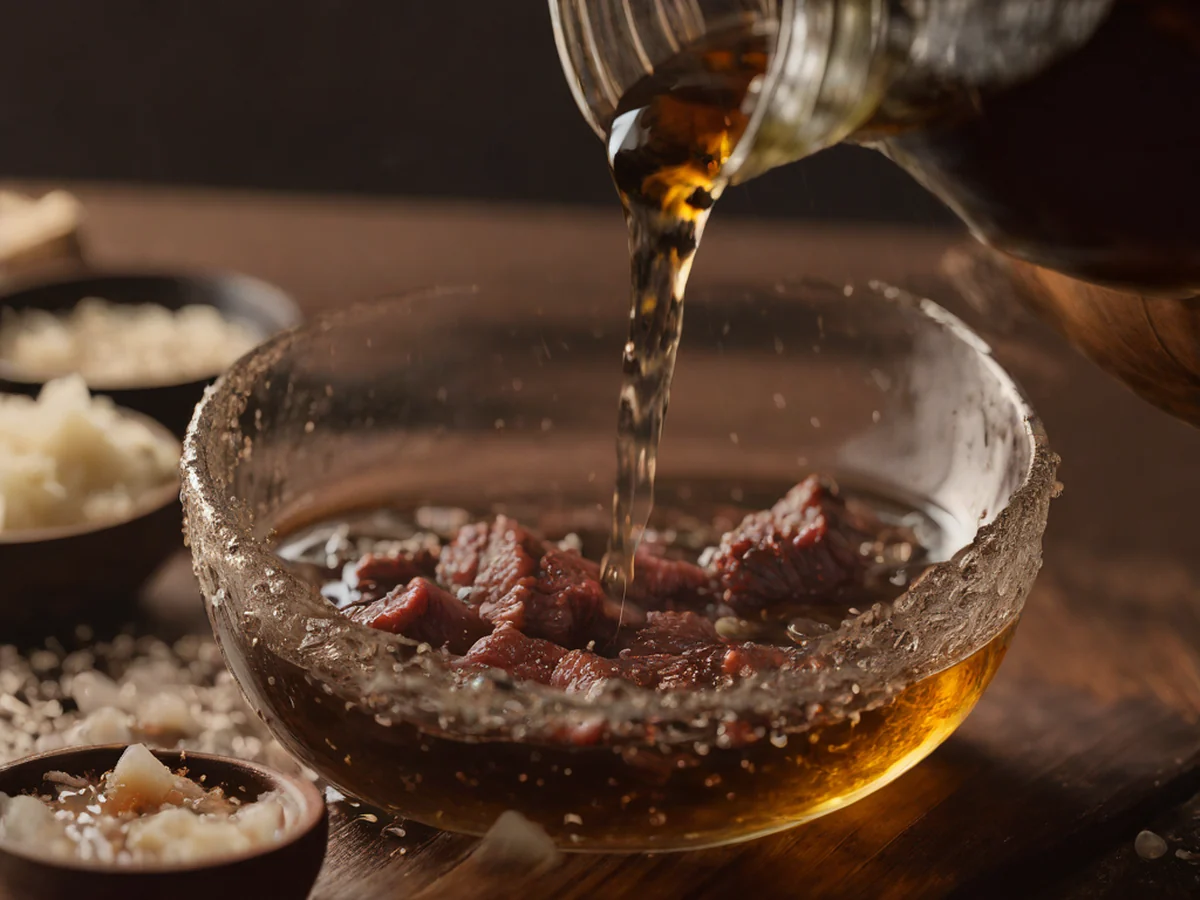
There are several ways to incorporate soju into cooking. The most basic method is "addition during cooking," which involves adding soju to the dish while it's being prepared.
For example, adding soju to the marinade for bulgogi not only prevents oxidation of the meat but also makes it more tender during cooking.
The key is to control the concentration and timing of the soju addition. Adding too much or adding it at the beginning of the cooking process will cause the alcohol to evaporate quickly, so it's more effective to add a moderate amount during the cooking process.
Another method is "marinating," which involves using soju to marinate ingredients. For example, soaking chicken or fish in a mixture of soju, soy sauce, garlic, and onion for 30 minutes or longer allows the alcohol in the soju to tenderize the protein and enhance the flavor.
This is particularly effective for seafood dishes. Soju helps regulate the "water content" of ingredients, preventing them from cooking too quickly or losing their color.
In recent years, "topping with soju" has also gained popularity. For example, some people sprinkle a drop of soju on cold noodles or mix it into jjambong (spicy seafood noodle soup) or kalguksu (knife-cut noodle soup).
This enhances the overall flavor of the dish and provides a "visual" and "gustatory" experience. In this way, soju can be used not only as an ingredient but also as a "topping" for dishes.
According to UNESCO's 2024 report, traditional culinary practices are vital for cultural preservation. In 2023, global interest in fermented food pairings surged by 15% as diners sought deeper connections to heritage.
Harmony Between Soju and Food: Which Dishes Pair Well?

Soju pairs well with a variety of dishes.
However, it complements "Korean cuisine" and especially "meat-centric dishes" better than Mediterranean cuisine. For example, dishes like bulgogi, jeuk bokkeum (spicy stir-fried pork), and maeuntang (spicy fish stew) have a natural synergy with the alcohol, sweetness, and aroma of soju.
This is because the "sweetness" and "aroma" of soju enhance the flavor of the meat, which aligns well with Korean eating habits.
Traditional dishes like "bibimbap" and "kimchi jjigae" also create a natural pairing with soju. The slightly "spicy flavor" of these dishes is balanced by the soju, creating a more harmonious dining experience.
Conversely, in "spicy" dishes, the alcohol in soju can help to "soothe" the heat. In this way, soju is not just a drink; it's a "flavor regulator."
However, there are some things to keep in mind. While soju pairs well with food, it can also "distort" the flavor of the dish if used incorrectly. For example, adding too much soju can mask the natural flavors with its bitterness or alcohol smell.
Therefore, soju should be used in "appropriate amounts" and at the "right time." Generally, 1-2 tablespoons of soju per serving is a good guideline, allowing you to enjoy the aroma without compromising the flavor of the dish.
According to the Korea Tourism Organization's 2024 data, culinary tourism is a major driver for visitors. Their 2022 studies showed that over 60% of international travelers specifically seek out authentic local spirits like soju.
Choosing Soju: Which Type Should You Use?
There are various types of soju available.
Unlike beer, soju comes in both "domestic" and "imported" varieties, each with its own unique flavor profile. Traditional soju brands like "Jinro," "Samyang," and "Miju" are based on long-standing traditions and manufacturing methods, making them a good choice for pairing with food.
If you want to achieve a "richer flavor," these sojus are recommended.
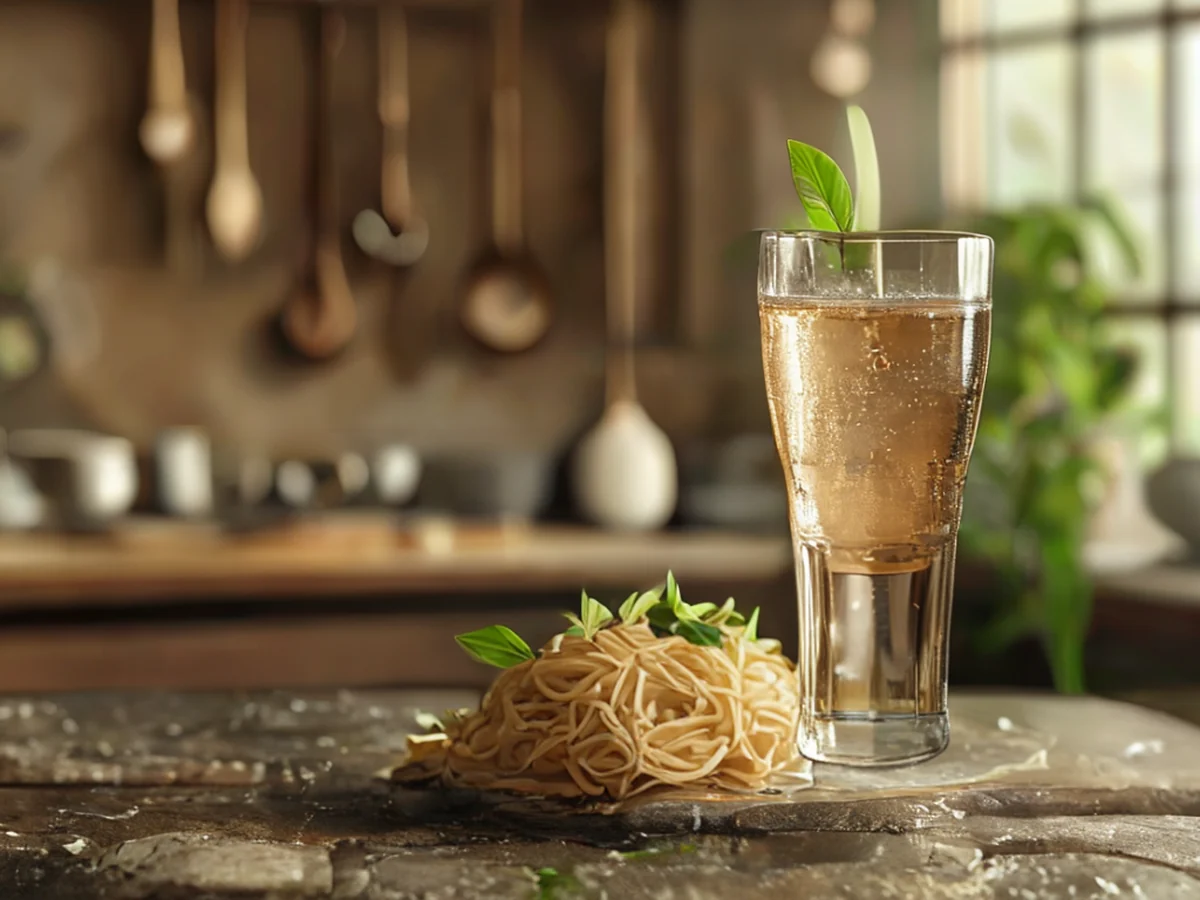
On the other hand, "premium" and "light-flavored" sojus have also emerged.
For example, products with a "wine-like flavor," such as "Cham Isul" and "Johnnie Walker Blue," are useful for experimenting with "new combinations." These sojus can add a subtle aroma when sprinkled on top of dishes, especially complementing white dishes like salads and steaks.
However, they are more suitable for use as a "topping" rather than an ingredient in cooking.
According to the International Food Information Council's 2023 survey, consumers are increasingly interested in flavor complexity. Recent trends from 2024 indicate a 12% rise in using alcohol as a functional ingredient in home cooking.
Conclusion: Soju is More Than Just a Drink; It's Part of the Dish
Soju is not just a drink to be enjoyed with food; it's an ingredient that can enhance the depth and complexity of a dish.
Therefore, using soju as a "seasoning" or adding it to dishes is a natural choice.
In essence, soju is part of the dish, and enjoying it with food elevates the experience from simple enjoyment to an "art of flavor." Let's start thinking of soju not just as a drink but as a "tool for cooking" that can be used to harmonize with food.
Quick Comparison
| Category | Item A: Using Soju as a Seasoning Ingredient | Item B: Using Soju as a Garnish |
|---|---|---|
| Primary Purpose | Added during cooking to enhance depth and flavor of the dish | Sprinkled on top after cooking to achieve a balanced sensory experience |
| Timing of Use | During preparation (e.g., marinating bulgogi, seasoning ingredients) | After cooking is complete (e.g., a single drop of soju on cold noodles or kkuhwaeguksu) |
| Main Effect | Prevents oxidation in meat, tenderizes proteins, intensifies aroma and taste | Complements the dish’s flavor and adds a refreshing aromatic note |
| Recommended Amount | 1–2 tablespoons per serving | A small amount (a few drops) for subtle, delicate aroma |
| Suitable Soju Types | Authentic domestic soju (e.g., Jinro, Samyang) | Premium or light-flavored soju (e.g., Chamisul, Johnnie Walker Blue) |


Comments 0