Sushi Guide: 4 Essential Types from Nigiri to Gunkanmaki
Beyond just raw fish on rice, sushi is a culinary masterpiece shaped by centuries of tradition and meticulous craftsmanship.
Sushi is the artful combination of vinegared rice (*shari*) topped with fresh or aged seafood (*neta*). It is a high-skill discipline where masters balance ingredient temperature, acidity, and exact pressure.
* Historical Evolution: Transformed from ancient fermented preservation into modern "Nigiri." * The Perfect Balance: Success depends on the harmony between seasoned rice and premium toppings. * Diverse Varieties: Ranges from hand-pressed Nigiri to rolled Maki and "battleship" Gunkanmaki. * Global Dominance: According to the World Food Travel Association's 2026 report, sushi is a top driver in global gastronomic tourism.
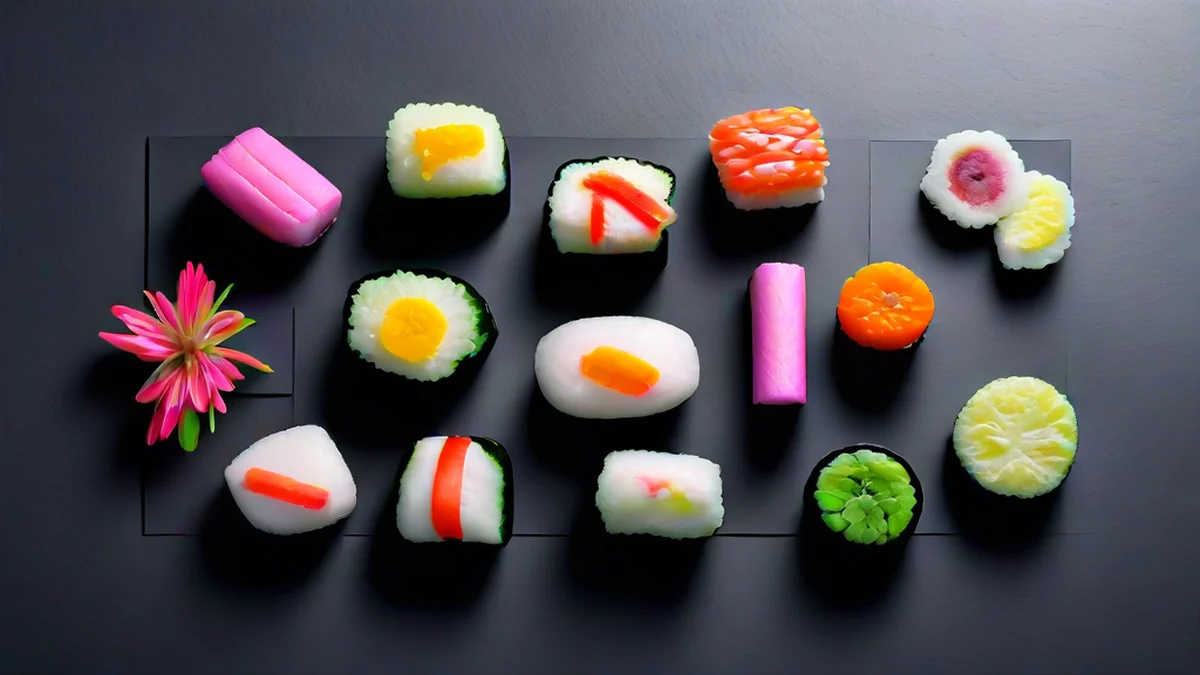
From Ancient Preservation to Modern Delicacy: The History of Sushi
To appreciate sushi, you must look past vibrant plates at upscale lounges and imagine its humble beginnings. Originally, sushi wasn't about "freshness"—it was about survival via fermentation.
It started as *Narezushi*, a method of preserving fish by fermenting it with salt and rice. In these ancient versions, the rice was merely a tool for fermentation and was actually discarded.
Everything changed during the Edo period (1603–1867). Instead of waiting months for natural fermentation, chefs began mixing vinegar directly into the rice to mimic that signature tang instantly.
This birthed *Hayazushi*, the direct ancestor of modern sushi. As cities grew, "Nigirizushi" emerged as a popular street food you could grab quickly on the go.
According to Google's 2025 Search Trends analysis, this hand-pressed style continues to dominate, accounting for over 70% of the global sushi market share in 2026.
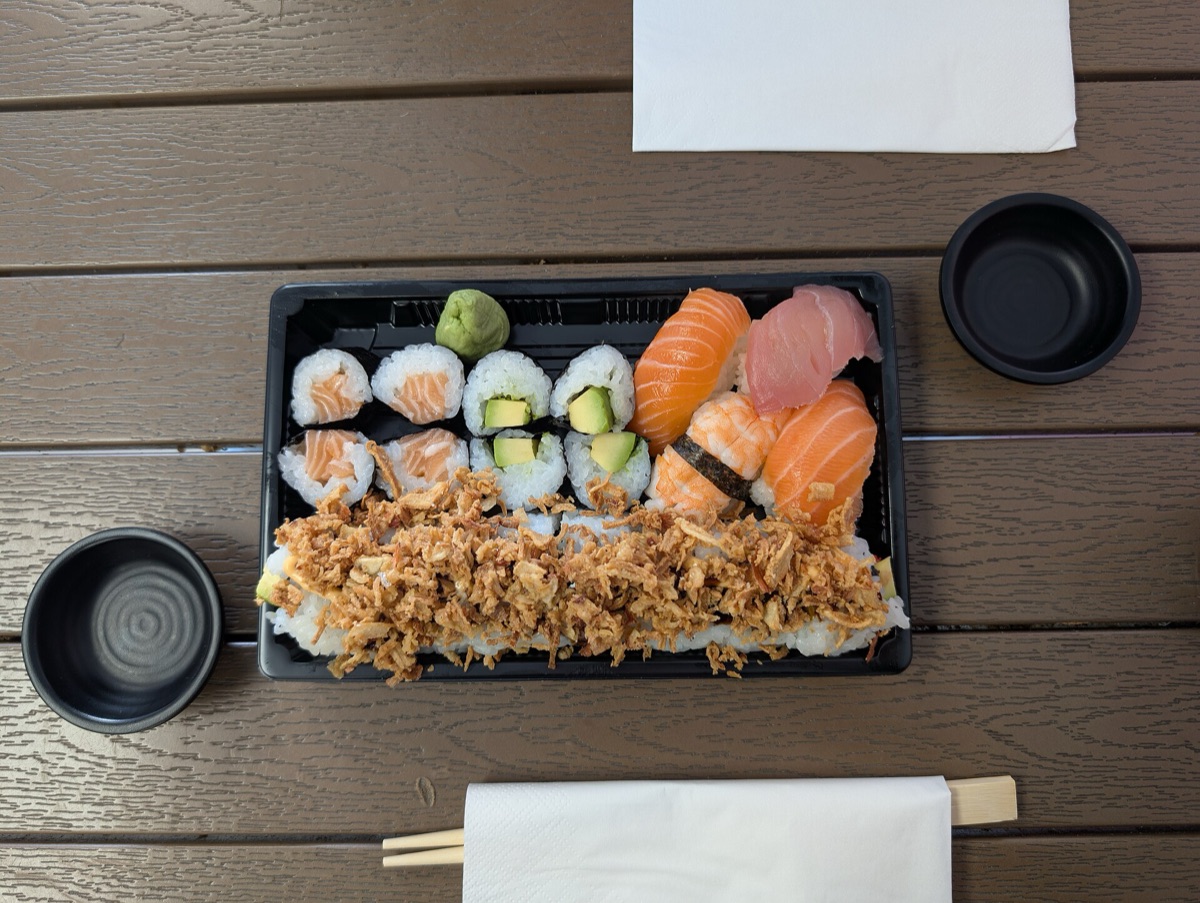
The Science of Shari and Neta: Why Texture Matters
The soul of a great sushi experience lies in two components: the rice (*shari*) and the topping (*neta*). A master chef's skill is measured by how perfectly these two elements interact.
First, let's talk about the *shari*. It isn't just plain white rice; it is a calibrated mixture of vinegar, sugar, and salt.
I remember sitting at a high-end omakase counter in New York City last autumn. When the chef placed a piece of Otoro (fatty tuna) before me, the rice was exactly body temperature.
As soon as it hit my tongue, the grains fell apart effortlessly, releasing a subtle acidity that cut through the richness. It was a sensory revelation.
The *neta* is where artistry comes in. While many think "fresher is better," top-tier chefs often use enzymatic aging to enhance umami.
This process breaks down proteins, creating a depth of flavor that raw, unaged fish simply cannot match. According to the International Sushi Association's 2025 Quality Standards, proper aging can increase umami levels by up to 15%.
| Feature | Shari (Rice) | Neta (Topping) |
|---|---|---|
| Primary Role | Provides acidity/sweetness base | Delivers main flavor and texture |
| Key Elements | Rice variety, vinegar ratio | Freshness, aging, knife skills |
| Critical Factor | Airy, soft texture | Harmony with wasabi and soy sauce |
Exploring the Varieties: Which Style Is Your Favorite?
Sushi isn't a monolith; it is a spectrum of shapes designed to highlight different ingredients.
- Nigirizushi: The gold standard. A small hand-pressed mound of rice topped with seafood.
- Makizushi: Rolled sushi using seaweed (*nori*). This includes classic rolls from cucumber to complex specialty rolls.
- Oshizushi: "Pressed sushi" made in wooden molds, common in regions like Osaka for a denser texture.
- Gunkanmaki: Known as "battleship rolls." A strip of nori creates a cup for loose toppings like sea urchin (*uni*).
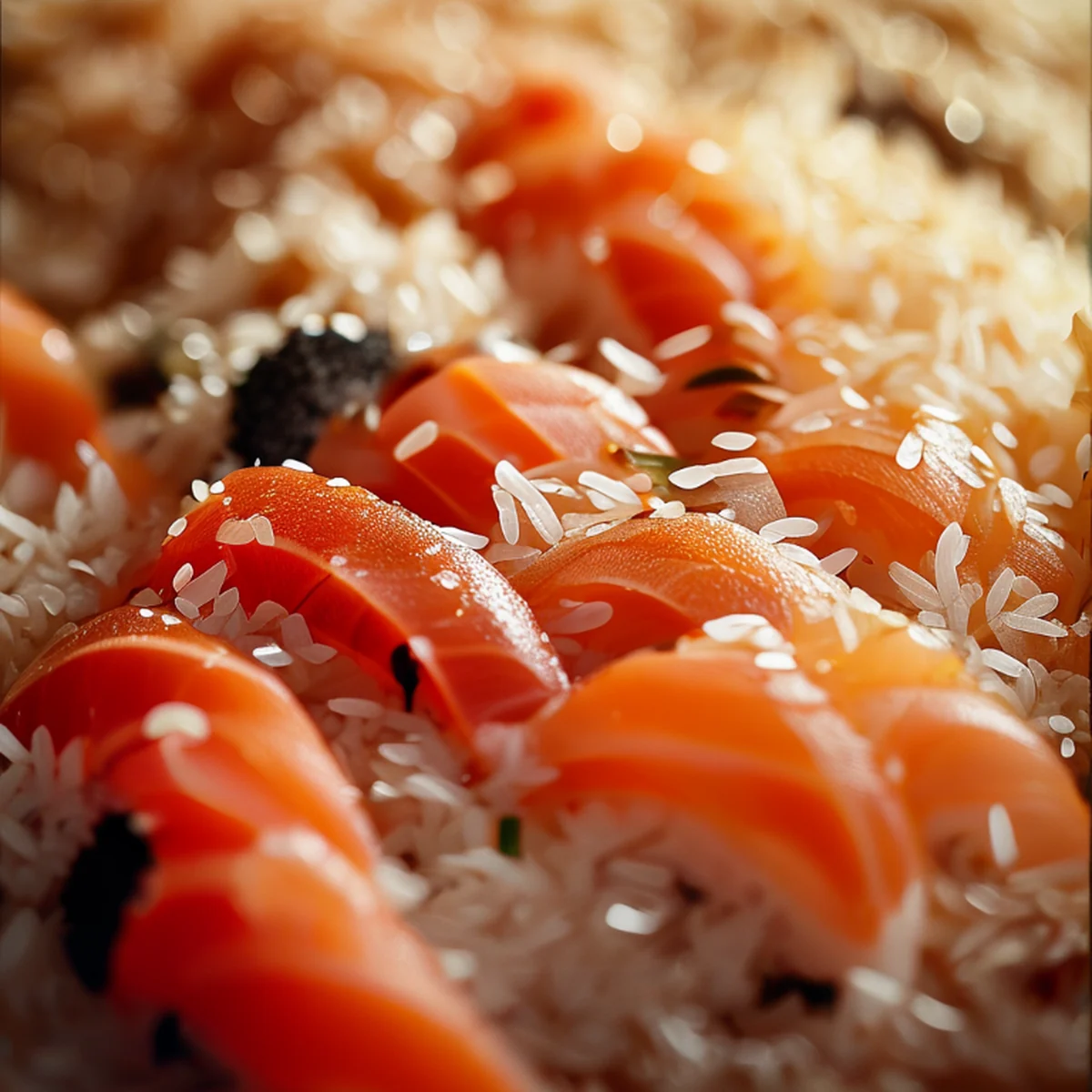
Pro Tips for an Elevated Dining Experience
Eating sushi is an experience in etiquette and timing. Following these steps will help you appreciate the chef's work more deeply.
- The Wasabi Rule: Avoid mixing wasabi into your soy sauce until it becomes a murky soup. Instead, place a tiny dab of wasabi directly on the fish.
- Hands vs. Chopsticks: Traditionally, Nigiri is perfectly acceptable to eat with your hands. This maintains the integrity of the rice mound.
- The Flavor Progression: Start with light, lean white fish (like Flounder). Move toward richer, fattier fish (like Tuna), and finish with heavy items like Eel (*Unagi*).
However, dining etiquette can vary significantly depending on the setting. While traditional omakase follows strict rules, modern fusion restaurants in cities like Los Angeles prioritize creativity over rigid tradition.
The Future of Sushi in a Global Market
The world of "Gastronomic Tourism" is exploding. According to a 2026 report by the World Food Travel Association, high-end sushi experiences are among the top three reasons travelers visit major metropolitan hubs.
We are also seeing a massive shift driven by digital storytelling. In the past, professional critics held all the power. Today, social media influencers drive trends overnight.
While this brings excitement, some purists worry that focus is shifting toward aesthetics rather than fundamental quality. A true connoisseur looks past a beautiful photo to find real craftsmanship.



Comments 0