Alternative coffee history: Why seek out best coffee options
"History is a continuous thread of human ingenuity, often finding ways to replicate what nature provides in abundance when circumstances demand a different path."
This guide explores alternative coffee history and how these origins emerged as vital substitutes. You will learn about the economic shifts in global production and the nutritional profiles of common plant-based alternatives.

We will examine how the role of spices and grains has evolved, while noting that these substitutes cannot replicate the specific caffeine profiles of traditional beans.
Why do we look for alternative coffee history?
A farmer in a dry season inspects a withered shrub, wondering how to sustain a livelihood when the rains fail. As coffee beans become scarce due to environmental shifts, people turn to non-bean beverage evolution to satisfy a craving for warmth and ritual.
This search for alternative coffee history stems from both economic necessity and personal preference.
The demand for coffee has always been subject to environmental pressures.
These stressors often force growers and consumers to seek out different ways to experience a brew.
How did spice role in old brews change?
At midnight, I inhale the sharp scent of cloves as I stir an alternative blend in my small kitchen.
A cook stirs a dark, fragrant liquid in a heavy ceramic pot, adding ground roots to mimic a bitter aroma. The spice role in old brews has historically been a method of stretching limited supplies or providing a different sensory experience.

This evolution of non-bean beverage evolution has allowed communities to maintain social rituals even when the primary crop was unavailable.
The history of coffee blends shows how diverse ingredients have been used to achieve specific flavors. Historically, the use of different plant parts allowed for a variety of tastes. This evolution has been central to how people have navigated the availability of the primary crop over centuries.
What are the most common coffee replacements?
A merchant measures out a handful of roasted chicory root, noting its dark color and earthy scent. When comparing common options, the nutritional differences are quite distinct.
| Ingredient | Energy (per 100g) | Protein (per 100g) |
|---|---|---|
| Soymilk (SILK Coffee) | 62 kcal | 2.06 g |
| Chicory (Instant) | 3 kcal | 0.09 g |
I noticed that the texture of the chicory brew is significantly thinner than the creamy consistency of a soy-based drink. While chicory offers a very low-calorie option, soymilk provides more complex nutrients like calcium and protein.
How do modern uses of coffee swaps function?
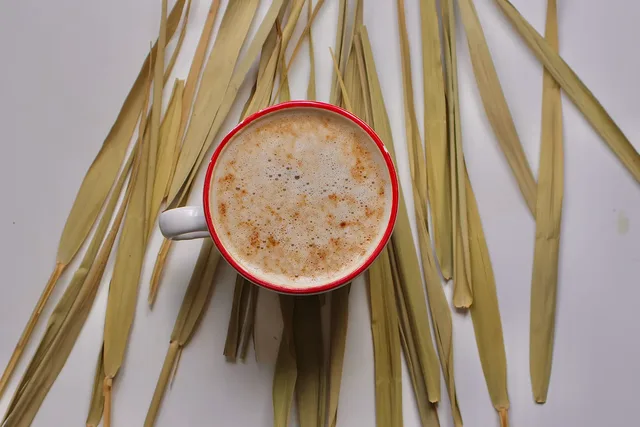
A barista carefully pours soy milk into a cup, watching the white liquid swirl into the dark liquid. Modern uses of coffee swaps involve incorporating plant-based milks to alter the mouthfeel and nutritional profile of the drink.
According to the American Heart Association, drinking as many as five cups of caffeinated coffee per day (intake of about 400 mg of caffeine per day) over adult life may benefit cardiovascular health in some people.
According to the Association stated that drinking as many, drinking as many as five cups of caffeinated coffee per day (intake of about 400 mg of caffeine per day) over adult life may benefit cardiovascular health in some people.
This practice has moved from a necessity to a widespread lifestyle choice.
- Select a base like soy or oat milk for a creamier texture. 2. Measure the liquid to ensure it blends smoothly without curdling. 3. Stir gently to combine the flavors before serving.
Always check the temperature to prevent the plant milk from separating. This process allows for a customized experience that caters to different dietary needs.
How has global production shifted?
A large vessel is filled with harvested beans in a sun-drenched warehouse. The economic landscape of coffee is constantly shifting, as seen in the massive scale of South American production.
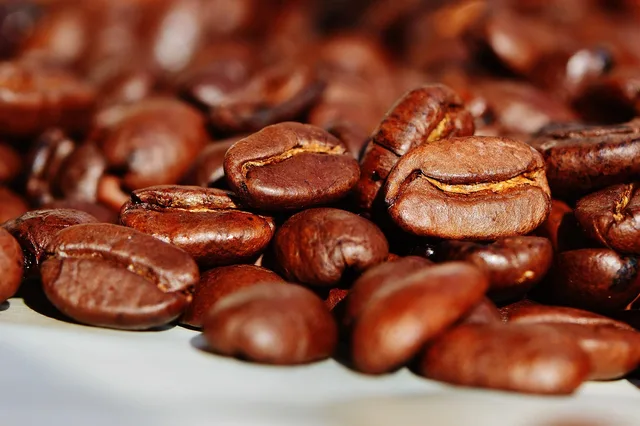
In 2023, Brazil was the leading grower of coffee beans, producing 31% of the world's total, followed by Vietnam. This dominance is a significant shift from the early 20th century.
Between 1910 and 1920, Brazil exported around 70% of the world's coffee, while Colombia, Guatemala, and Venezuela exported 15%.
- Why do we look for alternative coffee history?
- How did spice role in old brews change?
- What are the most common coffee replacements?
How does environmental stress impact the history of coffee?
Environmental stressors like drought and unfavorable temperatures directly impact the quality of the crop. These conditions create a need for alternatives when the primary beans become scarce. When the rains fail, farmers must find ways to sustain their livelihood through different methods.
What determines the nutritional profile of these alternatives?
Nutritional profiles differ significantly between plant-based milks and roasted roots. Soymilk offers a higher protein content and more complex nutrients like calcium compared to chicory. While chicory provides a very low-calorie option, it lacks the creamy consistency found in soy-based drinks.
- Compare the calorie density of the chosen ingredient. 2. Evaluate the protein content to meet specific dietary needs. 3. Observe the texture to ensure it meets the desired mouthfeel.








Comments 0