African Food History and Modern Twists Tips for Global Chefs
"The flavors of a continent are more than mere sustenance; they are living archives of migration, climate, and community."
Understanding the historical background and modern twists of African cuisine requires looking at how ancestral ingredients meet global culinary shifts.
This exploration covers the deep roots of traditional ingredients, the preservation of cultural identity through food, and the way modern chefs adapt these flavors for a global stage.
Key takeaways include the importance of heritage sites in preserving food history, the nutritional profile of ancient crops, and the dynamic nature of culinary evolution.
How do we trace the roots of African culinary history?

Walking through a quiet museum hall, one might encounter artifacts that tell a story of survival and celebration through food. The history of a region is often preserved in its structures and the stories passed down through generations.
The legacy of African food is deeply tied to the land and the preservation of cultural identity. For example, the African Heritage House is a national monument in Kenya, classified and gazetted under the National Museums and Heritage Act in 2016.
Such sites serve as vital touchpoints for understanding how food and heritage intersect.
Traditional cooking methods often rely on ingredients that have been cultivated for millennia. These ingredients provide the foundation for dishes that remain central to community life today. The journey of these ingredients shows how local resources shape unique culinary identities.
Tracing these origins requires examining archaeological remains, oral traditions passed down through generations, and the migration patterns of various ethnic groups.
What's in my traditional ingredients? African Food History and Modern Twists
Under the warm morning sun, I squeeze a ripe fruit and feel the sticky juice drip down my chin during an African feast. In the bright morning sun, I bite into a thick, sweet piece of fruit to taste the essence of an African harvest.
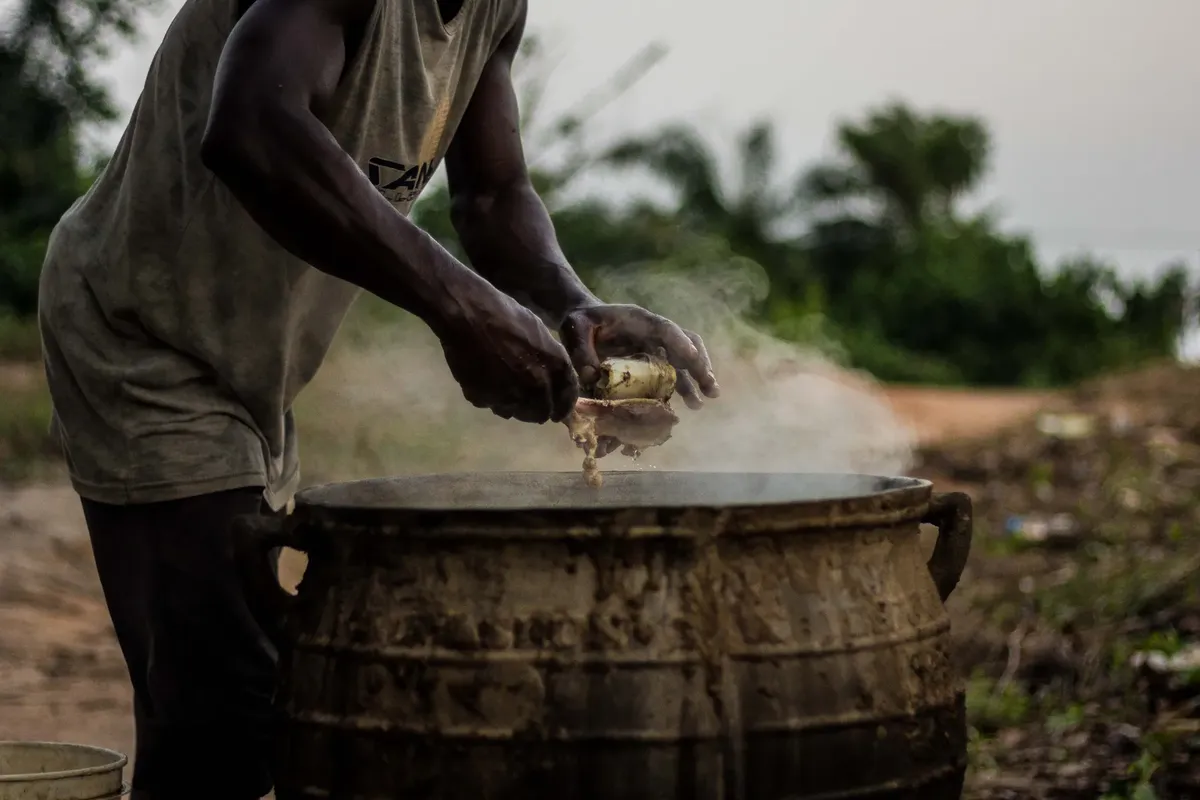
A chef carefully slices a vibrant, textured fruit, preparing to incorporate it into a modern salad or a traditional tonic. The natural variety of ingredients found in different regions provides a wide spectrum of nutrients.
Ancient crops often provide essential vitamins and minerals that sustained populations for centuries.
For instance, official USDA FoodData Central data for 100g of Horned melon (Kiwano) shows it contains 1.78g of protein, 1.13mg of iron, 40mg of magnesium, 2mg of sodium, 7ug of vitamin A, 5.3mg of vitamin C, 3ug of folate, 1.26g of fat, 13mg of calcium, and 123mg of potassium.
These specific nutrient profiles help define the health and vitality of traditional diets. While modern cooking may change the preparation, the core nutritional value of these ancient ingredients remains a constant.
Understanding these values helps in appreciating the complexity of traditional meals.
Traditional ingredients often provide complex carbohydrates, essential fiber, and micronutrients that have sustained local populations for centuries.
How does global recognition impact culinary heritage?
A visitor stands before a glass case, peering at the tools used to prepare meals centuries ago. The recognition of food as culture is a growing movement among international organizations.

The international community increasingly recognizes that cuisine is an essential part of human heritage. In 2013, Japanese cuisine was added to the UNESCO Intangible Heritage List. Similarly, in 2025, Italian cuisine was listed as intangible cultural heritage by UNESCO.
This recognition highlights how food is not just about eating but about preserving a way of life. For African nations, maintaining these traditions is crucial as they face modern pressures. The global stage provides a platform to validate these deep-seated culinary traditions.
While international acclaim can preserve certain techniques, it also risks the commercialization and homogenization of unique regional flavors.
How do I understand how food evolved? An educator organizes a workshop, showing how a single ingredient can transform through different eras. Understanding the transition from traditional to modern requires a structured look at change.
To grasp how food evolves, follow these steps:
- Identify the original indigenous ingredients and their natural growing conditions. 2. Examine how migration and trade introduced new spices or techniques to the local pantry. 3. Observe how modern culinary technology and global tastes alter the final presentation.
A final check involves comparing the original flavor profile with the modern iteration to see what has been preserved. This process helps researchers and food enthusiasts alike. I found that looking at these transitions makes the history of a single dish feel much more alive.
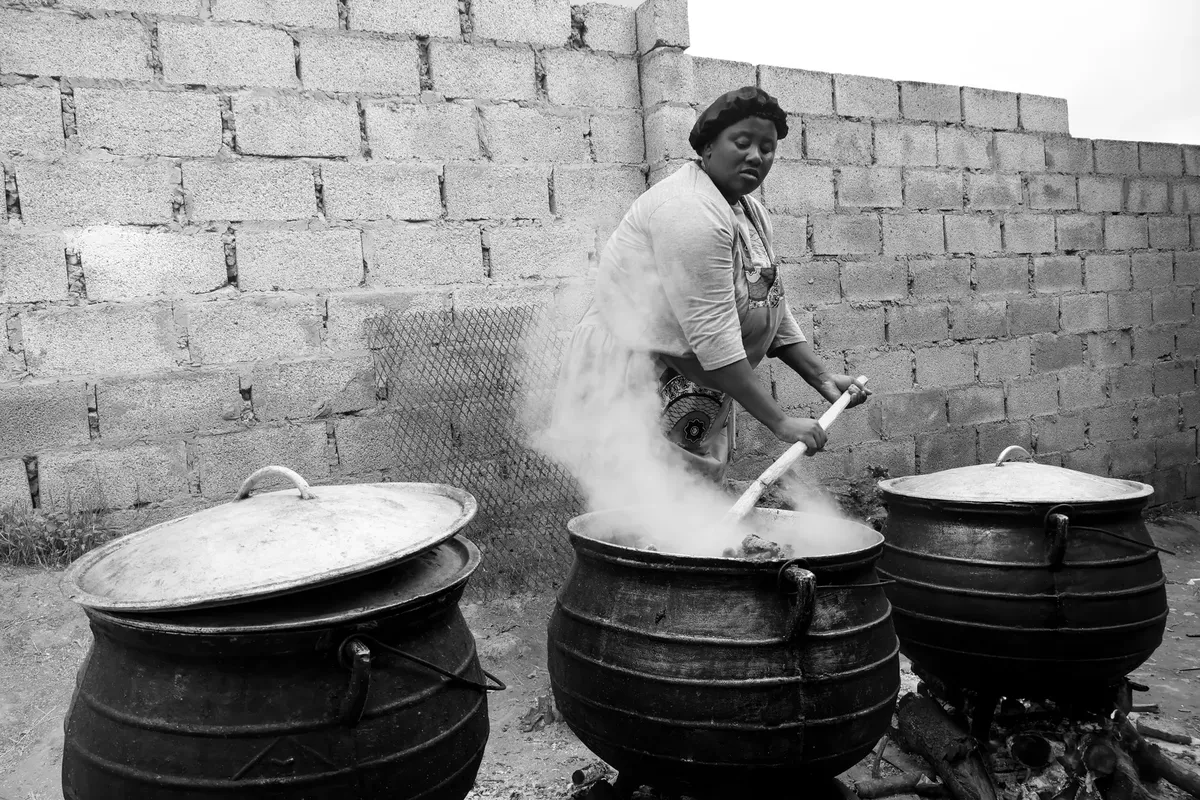
- Identify the indigenous crops and livestock used in a specific region.
- Analyze how trade routes introduced new spices and ingredients.
- Observe how environmental changes and migration shaped current cooking methods.
Can we compare traditional and modern culinary influences?
A researcher sits at a desk, laying out two different cookbooks to compare their techniques. Comparing different eras of food helps clarify the direction of culinary trends.
The following table compares two different cultural heritage recognitions to illustrate how global standards treat food:
| Recognition Type | Year of Listing |
|---|---|
| Japanese Cuisine (UNESCO) | 2013 |
| Italian Cuisine (UNESCO) | 2025 |
This comparison shows that the recognition of food as a cultural pillar is a continuous global process. While the methods of recognition vary, the underlying value of culinary history remains constant.
Modernity often introduces processed ingredients and rapid cooking techniques, whereas traditional methods focus on seasonal availability and slow-cooking processes.
What limits our understanding of food history?
A student looks at a map, realizing that some stories are lost to time or geography. Every historical inquiry faces specific boundaries based on the available evidence.

A limitation in studying food history is the reliance on surviving physical evidence and documented heritage, such as when the African Heritage House was classified in 2016. Without documented records or preserved sites, the specific nuances of ancient cooking may remain unverified.
The lack of written records in some regions and the loss of oral histories due to displacement can create significant gaps in the historical narrative.
The subject here is African Food History and Modern Twists.
The same subject is also called African dish origins.
The same subject is also called Evolution of African cuisine.
The same subject is also called Traditional African recipes.
The same subject is also called Modern African food trends.
This part also covers Historical roots of African meals.
This part also covers Modern adaptations of African cooking.
This part also covers Exploring African ingredients' journey.
Historical roots of African meals
Related





Comments 0