Tteokbokki How to cook History and traditional recipe guide
The subject here is History and traditional recipe.
Tteokbokki is a beloved Korean dish consisting of chewy rice cakes simmered in a savory or spicy sauce. This guide covers the history and traditional recipe of this iconic street food, providing a look into its evolution from royal court cuisine to a modern staple.
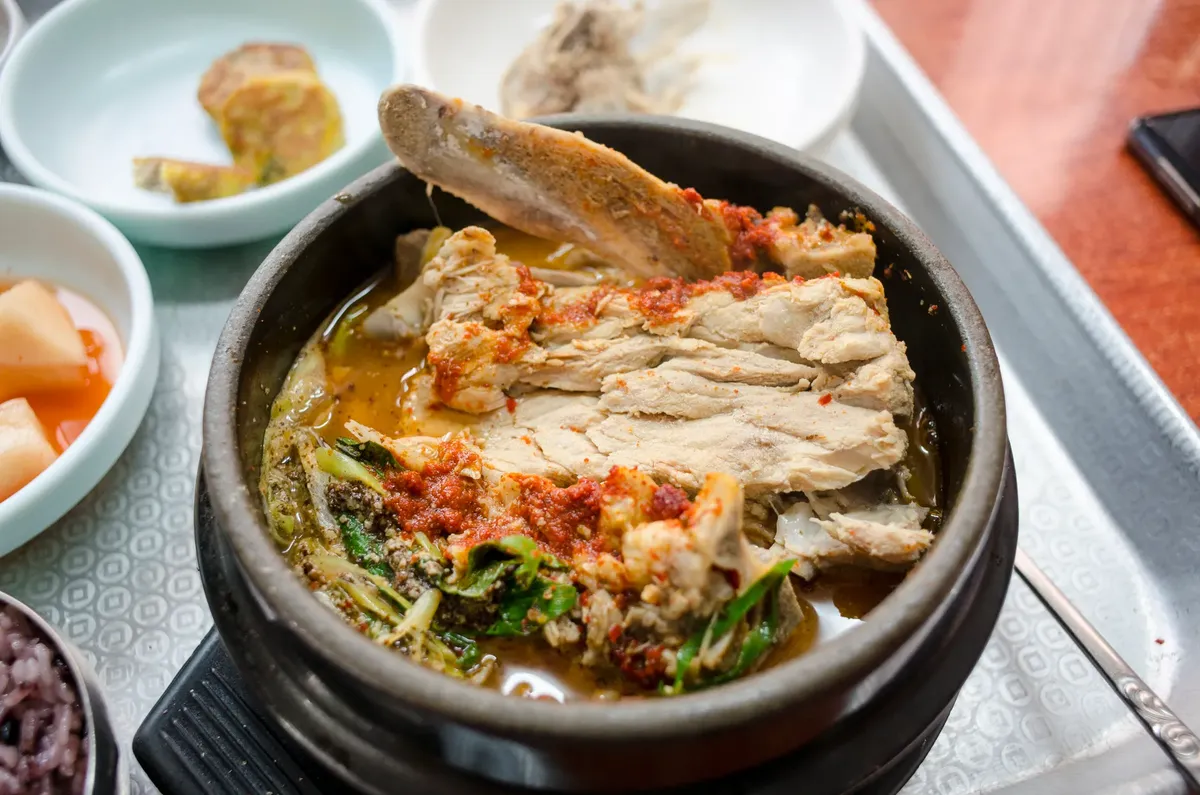
Key takeaways: * The dish originated as a savory royal court meal before evolving into a spicy version. * Traditional recipes rely on high-quality rice cakes and specific seasoning balances. * Understanding the history of Korean rice cake helps appreciate its cultural significance.
How was Tteokbokki originally made and where did it come from? A chef stands in a quiet kitchen, carefully slicing thick cylinders of white rice cake on a wooden cutting board. The history and traditional recipe of this dish reveal a journey from elegance to everyday comfort.
Originally, the dish was not the spicy red meal many recognize today but was a savory dish served in royal courts. These early versions used soy sauce to coat the rice cakes, often incorporating meat and vegetables.
This transition from a salty, sophisticated snack to a spicy street food reflects the changing tastes of Korean society over time.
The evolution of the dish is tied to the availability of ingredients and changes in seasoning preferences. While the modern version is famous for its heat, the roots lie in the refined flavors of the palace.
In this sequence, the second step is the longest.
Where did Korean rice cake dishes originate? History and traditional recipe
At dawn in the dim courtyard, a hand reaches for a ceramic bowl to prepare the tteokbokki. At dawn, a hand reaches for a ceramic bowl to prepare the tteokbokki in the dim light of the courtyard.
A hand reaches for a bowl of seasoned soy sauce, preparing to coat the rice cakes for a savory stir-fry. Exploring the origin of Korean rice cake dishes requires looking back at the historical importance of rice in Korean culture.
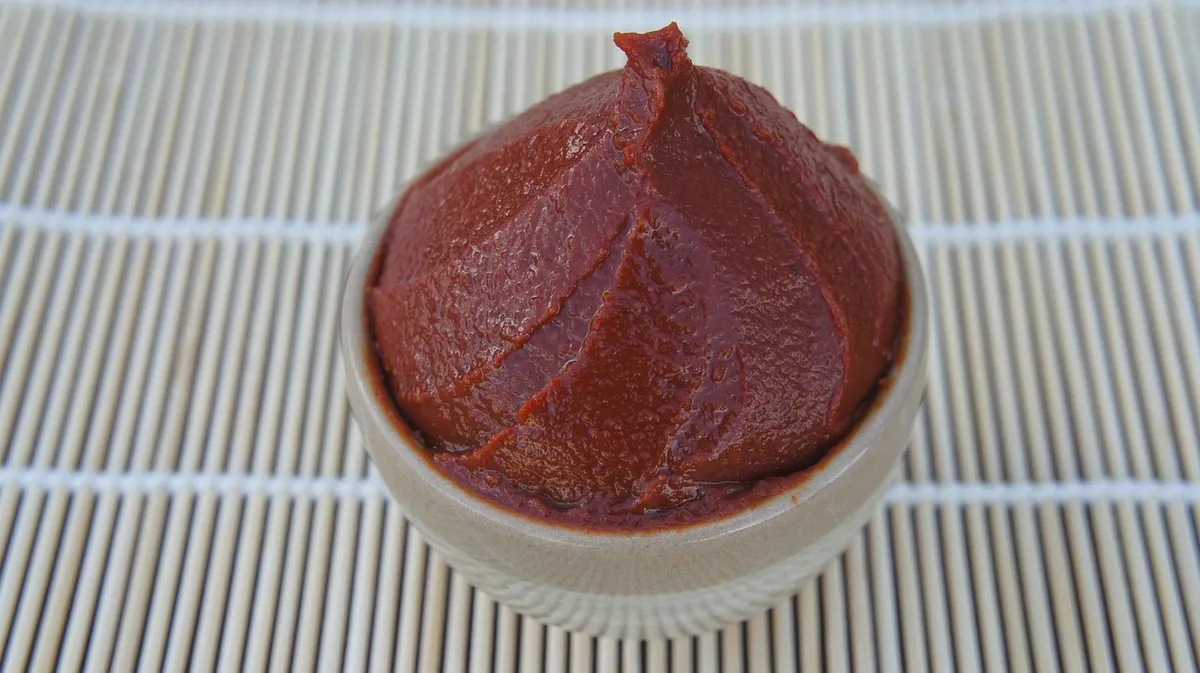
Rice cakes have long been a centerpiece of celebrations and rituals in Korea. Because rice was a precious commodity, these cakes were often reserved for special occasions or high-ranking officials.
The early versions of Tteokbokki utilized these celebratory ingredients in a way that honored the texture of the rice.
* Rice cakes served as a staple for ceremonies. * Soy sauce provided the primary seasoning in early eras. * Meat and vegetables were common additions to the mix.
The shift toward spicy sauces happened much later, creating the widespread popularity seen in urban areas today.
How to cook traditional rice cake recipes
The steam rises from a heavy pan as the rice cakes are gently tossed with warm seasonings. Learning how to cook traditional rice cake recipes involves mastering the balance between texture and sauce consistency.
To achieve the best results, one must focus on the quality of the rice cakes themselves. If the cakes are too soft, they will lose their shape, but if they are too hard, they will not absorb the flavors.
- Prepare the rice cakes by soaking them in warm water to soften the texture if they are refrigerated. 2. Prepare the base sauce using a combination of seasonings like soy sauce or gochujang depending on the style. 3. Simmer the rice cakes in the sauce over medium heat, stirring constantly to prevent sticking.
I once tried making a batch using a traditional soy-based method, and the chewy texture was perfectly complemented by the savory glaze.
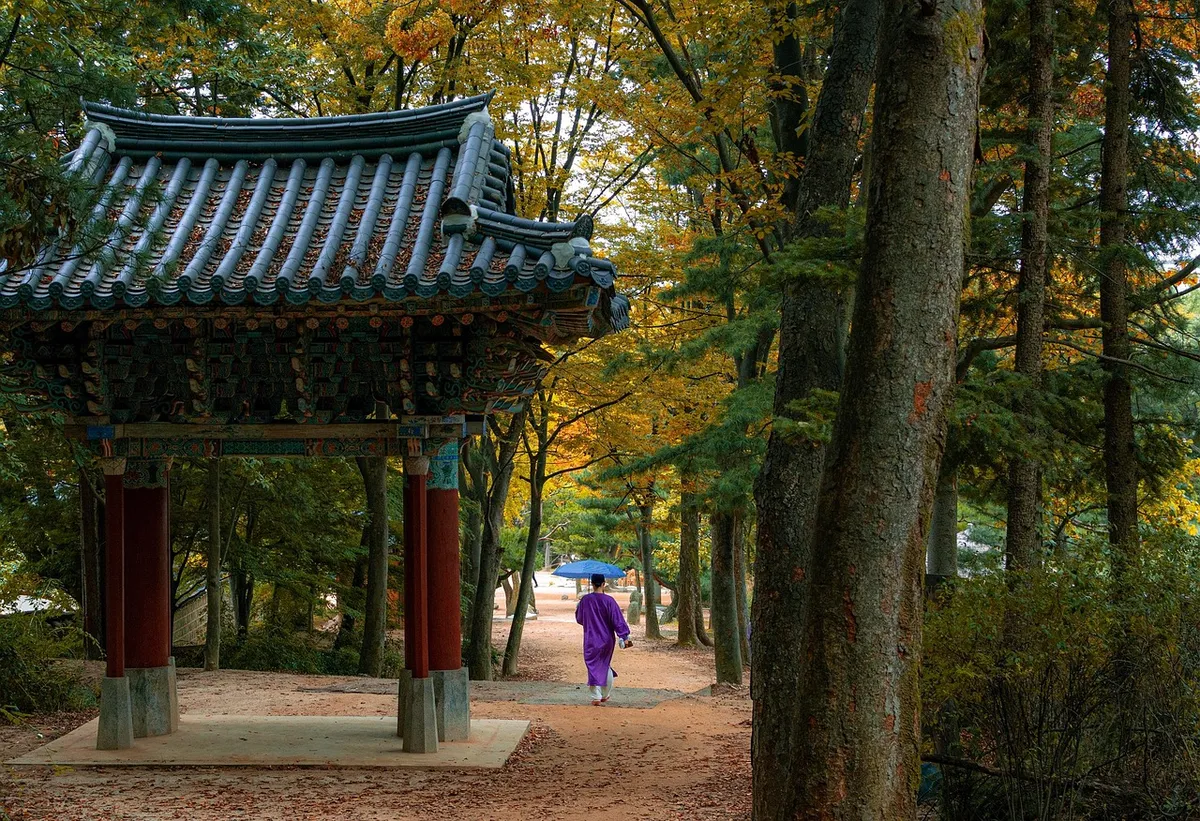
A final check of the sauce consistency ensures the rice cakes are coated without being too dry or too watery.
- Prepare the rice cake base by soaking the cakes in water to soften them.
- Simmer the ingredients in a seasoned broth until the flavors meld.
- Adjust the thickness of the sauce by reducing the liquid through heat.
Authentic rice cake cooking techniques
A wooden spoon stirs a bubbling pot, ensuring every piece of rice cake is evenly coated in the rich sauce. Mastering authentic rice cake cooking means understanding how heat affects the starch in the rice.
The starch in the rice cakes reacts to the heat, thickening the sauce naturally as it cooks. This process creates a glossy finish that is characteristic of well-made Tteokbokki.
Using a wide pan allows for even heat distribution, which prevents the bottom layer from burning while the top remains cold.
The texture should be "chewy" rather than "mushy." This is achieved by not overcooking the cakes once they reach the desired tenderness.
| Feature | Soy-based (Royal Style) | Spicy-based (Modern Style) |
|---|---|---|
| Primary Seasoning | Soy Sauce | Gochujang |
| Main Texture | Silky and savory | Spicy and chewy |
Classic rice cake methods for different textures
A cook carefully selects between cylindrical rice cakes and flat, sliced versions to achieve different mouthfeels. Using classic rice cake methods allows for variety in both flavor and presentation.
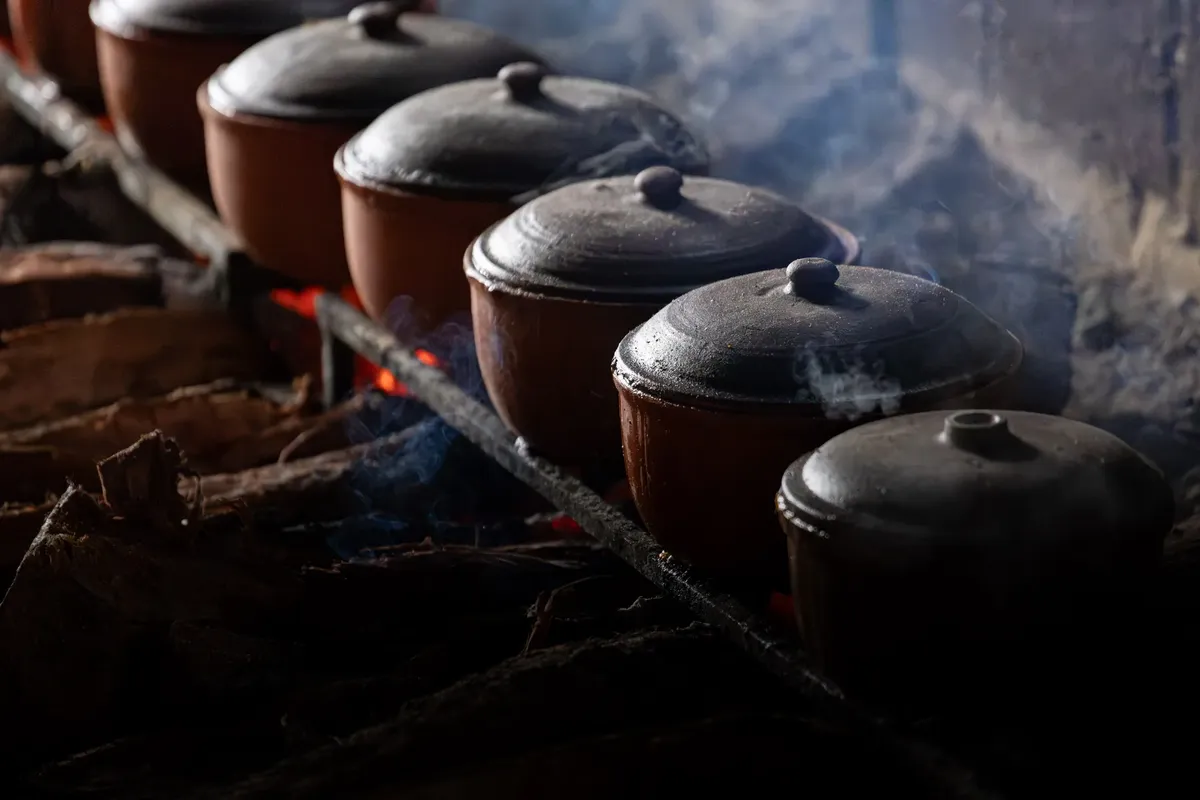
While cylindrical cakes are the most common, different shapes can change the way the sauce clings to the food. Thicker cakes provide a more substantial chew, whereas thinner slices absorb sauce more quickly.
* Cylindrical cakes: Ideal for hearty, chewy bites. * Flat rice cakes: Great for absorbing heavy sauces. * Small bite-sized pieces: Perfect for quick snacks.
The choice of shape often depends on the specific ingredients being added to the dish, such as vegetables or seafood.
The same subject is also called Korean rice cake history.
The same subject is also called Traditional rice cake recipe.
This part also covers Authentic Korean rice cake guide.
Related


Comments 0