Dressing Fat 21.6g vs 10g: A Guide to Energy Levels
"A single spoonful of creamy dressing can transform a bowl of greens, but the hidden numbers behind the label tell a much larger story about energy and nutrition." In contrast, the light version reduces this fat to 10g, resulting in an energy level of 662kj.
Understanding the difference between light and regular salad dressings is essential for anyone managing their daily caloric intake or sodium levels.
This guide explores the nutritional breakdown of mayonnaise-based dressings, how to balance fats and carbohydrates, and how to choose the right version for your dietary needs.
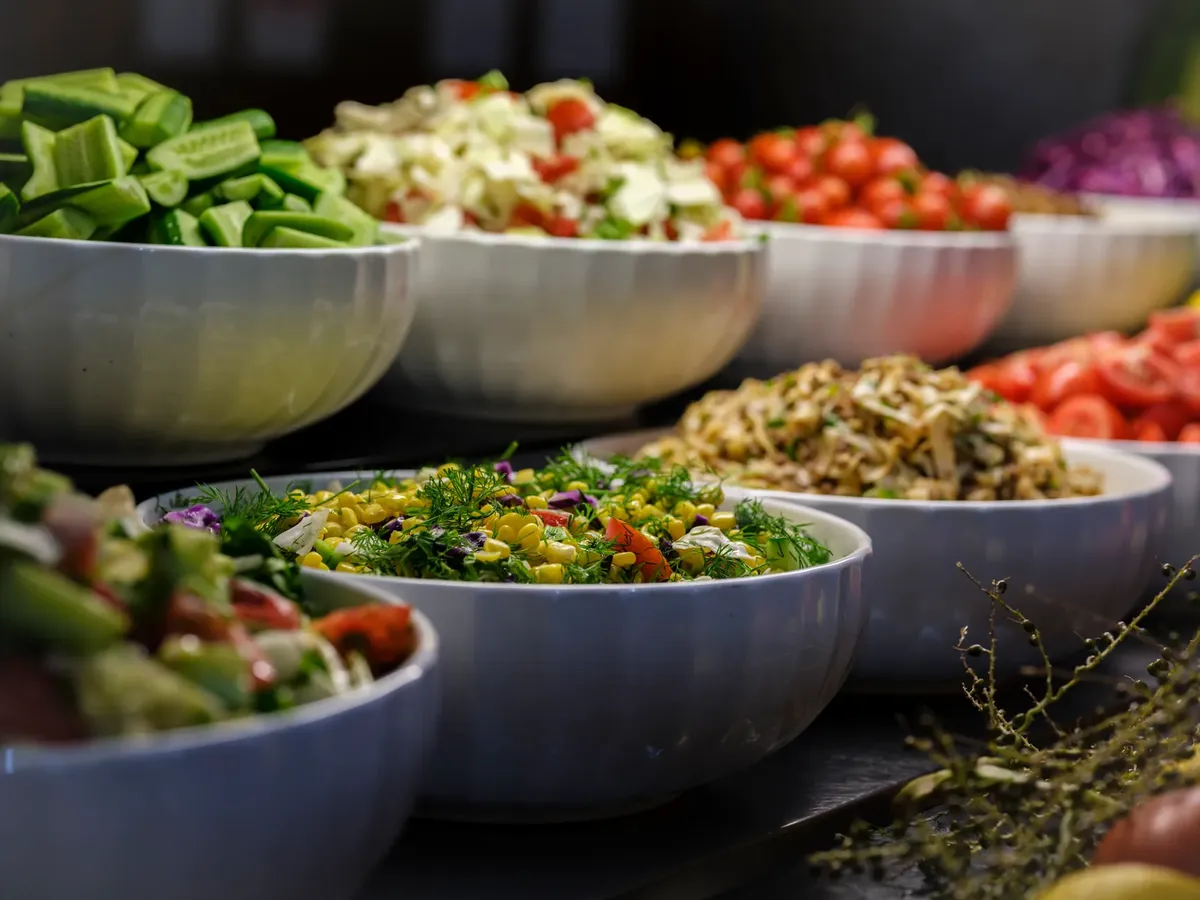
* Caloric Density: Regular dressings often contain significantly higher energy levels compared to light versions. * Fat Content: Light dressings focus on reducing fat, while regular versions prioritize flavor through higher lipid content. * Sodium Awareness: Salt levels vary significantly between types, affecting daily sodium limits. * Nutrient Balance: Carbohydrate and vitamin levels shift depending on the formulation of the dressing.
Why do calories vary so much between dressings?
In the morning I hold dressing and walk through the next step.
I stood in the supermarket aisle, squinting at two nearly identical bottles of creamy dressing while holding my shopping basket. The difference in weight felt negligible, but the labels promised two very different experiences for my body.
According to Revista brasileira de ginecologia e obstetricia, higher intake of western patterns rich in ultraprocessed foods was associated with a higher prevalence of excessive GWG of 24.48-55.20% in 2022.
The primary reason for the calorie gap lies in the fat content and the energy density of the ingredients used. In a regular, salt-containing mayonnaise-type dressing, the fat content is 21.6g, which contributes to a total energy level of 1050kj (roughly 250kcal).
This shift shows how reducing fat directly lowers the total energy density of the product.
While the fat levels change, the protein content remains identical at 0.65g for both versions. This means that if you are looking for protein, the dressing itself is not a primary source, regardless of which version you choose. The choice really comes down to managing total energy and lipid intake.
The primary driver of caloric density is the fat content, as oils and fats provide significantly more energy per gram than water-based ingredients.
How does sodium affect the flavor and health profile?
Under the bright supermarket lights, my fingers gripped the salt-heavy bottle of dressing as a sharp tang hit my tongue.
I held the regular bottle up to the light, noticing the slightly thicker consistency compared to the lighter version. My mind drifted to how much salt would be needed to make that thickness taste satisfying.
A systematic review of outbreaks conducted by Foodborne pathogens and disease in 2018 assessed the contribution of food handlers to the burden of NoV.
Sodium levels are a key differentiator in these products. The light version contains 833mg of sodium, whereas the regular version with salt has 653mg.
Interestingly, the light version has a higher sodium count in this specific comparison, which can impact blood pressure and water retention if consumed in large quantities.
The relationship between sodium and fat often masks the saltiness in higher-fat products. In the regular version, the higher fat content of 21.6g helps balance the 653mg of sodium, creating a different mouthfeel than the 10g of fat found in the light version.
When choosing a dressing, it is vital to look at the total sodium per serving to avoid exceeding daily limits.
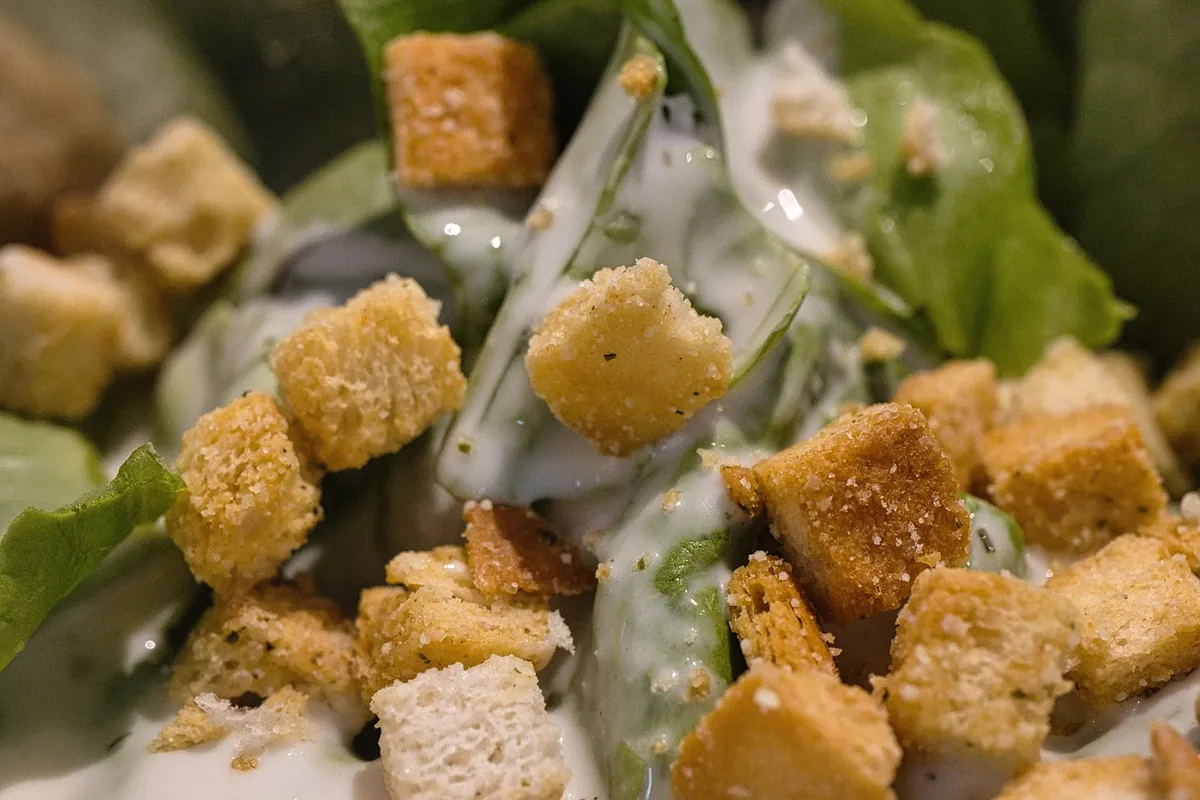
High sodium levels can mask subtle flavors and contribute to water retention, whereas lower sodium options often rely on acids like vinegar or citrus to provide brightness.
What are the carbohydrate and vitamin differences?
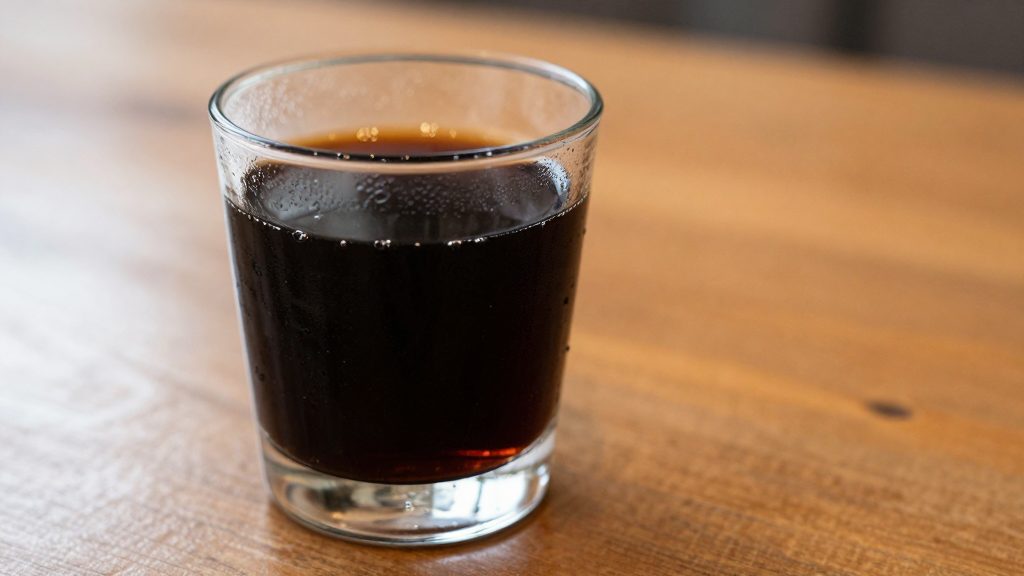
I carefully poured a small amount of the light dressing into a clear glass to observe the texture. It looked thinner, almost like a flavored cream, and I wondered how the sugars and vitamins were distributed.
According to the Italian journal of food safety, HAV was more frequently detected in watercress at 56% in 2023.
The carbohydrate levels show a notable split between the two types. The light version contains 16.4g of carbohydrates, while the regular version contains 14.8g.
This higher carbohydrate count in the light version is often a result of adding thickeners or sugars to compensate for the reduction in fat.
The vitamin profiles are also affected by the formulation. The regular version offers 5ug of vitamin A, while the light version provides 2ug. Both versions share identical levels of protein at 0.65g, iron at 0.12mg, folate at 6ug, and vitamin B12 at 0.04ug.
These micronutrient differences are subtle, but they reflect how different ingredients are used to stabilize the emulsion.
| Nutrient | Light Dressing (per serving) | Regular Dressing (with salt) |
|---|---|---|
| Fat | 10g | 21.6g |
| Carbohydrates | 16.4g | 14.8g |
| Sodium | 833mg | 653mg |
| Energy | 662kj | 1050kj (250kcal) |
Light dressings often replace fats with sugars or thickeners, which can increase carbohydrate counts while potentially reducing fat-soluble vitamin absorption.
How do I use these dressings in a balanced meal?
I sat down at my small kitchen table with a large bowl of fresh romaine lettuce and cucumbers. I knew that simply pouring the dressing over the leaves wouldn't be enough to make a complete, satisfying meal. Nutritional values can be verified through USDA FoodData Central.
According to Foodborne pathogens and disease (2018), a systematic review of outbreaks between 2003 and 2017 was conducted to identify foods commonly associated with NoV.
To turn a salad into a functional meal, you should follow these steps:
- Build a protein base: Since the dressing only provides 0.65g of protein, add grilled chicken, chickpeas, or hard-boiled eggs to your salad. 2. Incorporate fiber: Use leafy greens and crunchy vegetables to provide volume and satiety. 3. Control the portion: Use a spoon to drizzle the dressing rather than pouring it directly to manage the fat and sodium intake.
By following this sequence, you can enjoy the flavor of the mayonnaise-type dressing without the risk of an empty calorie meal. Always check the serving size on the label to ensure you are not consuming more than intended.
- Select a dressing that complements the base ingredients of your salad.
- Use smaller portions of calorie-dense dressings to control intake.
- Incorporate fresh herbs or citrus to enhance flavor without adding extra calories.
What are the limitations of choosing light versions?
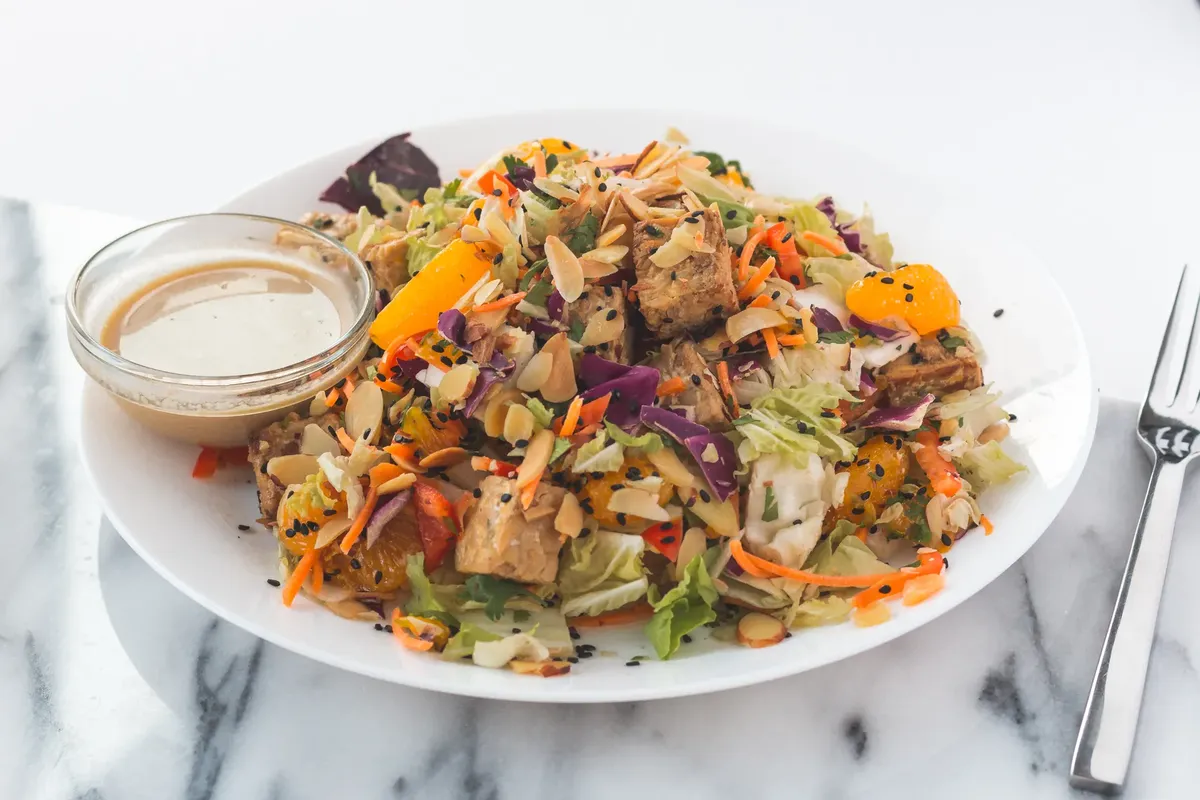
I looked at the nutrition label one last time, realizing that "light" does not always mean "low calorie" in every context. The label tells a specific story about one serving, but the reality of eating can be different.
According to USDA FoodData Central, nutritional data is provided per 100g for verification.
The main limitation is that light dressings often trade fat for carbohydrates to maintain texture. For example, the light version has 16.4g of carbohydrates compared to the 14.8g in the regular version.
This means that while you save on fat, you may be consuming more sugar or starch-based thickeners.
In this sequence, the second step is the most important. Often, reducing fat means sacrificing the texture and satiety that a more traditional dressing provides.
When I tried the steps in order, the second one is where I paused longest.
This order does not hold, however, when the figure is not 98%.
Related


Comments 0