Potato Kitsch history: Why potato became global staple guide
"The history of potato dishes is a journey from the lowland fields of South America to the industrial kitchens of the United Kingdom."
Potato Kitsch history is rooted in the global evolution of the potato, moving from its wild ancestors to the specialized culinary techniques used in modern kitchens.
This guide explores how simple boiled tubers transformed into complex, multi-stage fried delicacies, covering traditional methods, nutritional basics, and modern cooking variations.
You will learn about the ancestral origins of the potato, the specific temperature steps for high-end frying, and the historical use of fats like lard. Note that this exploration focuses on culinary history and preparation methods rather than specific dietary advice.
Where does the potato come from?
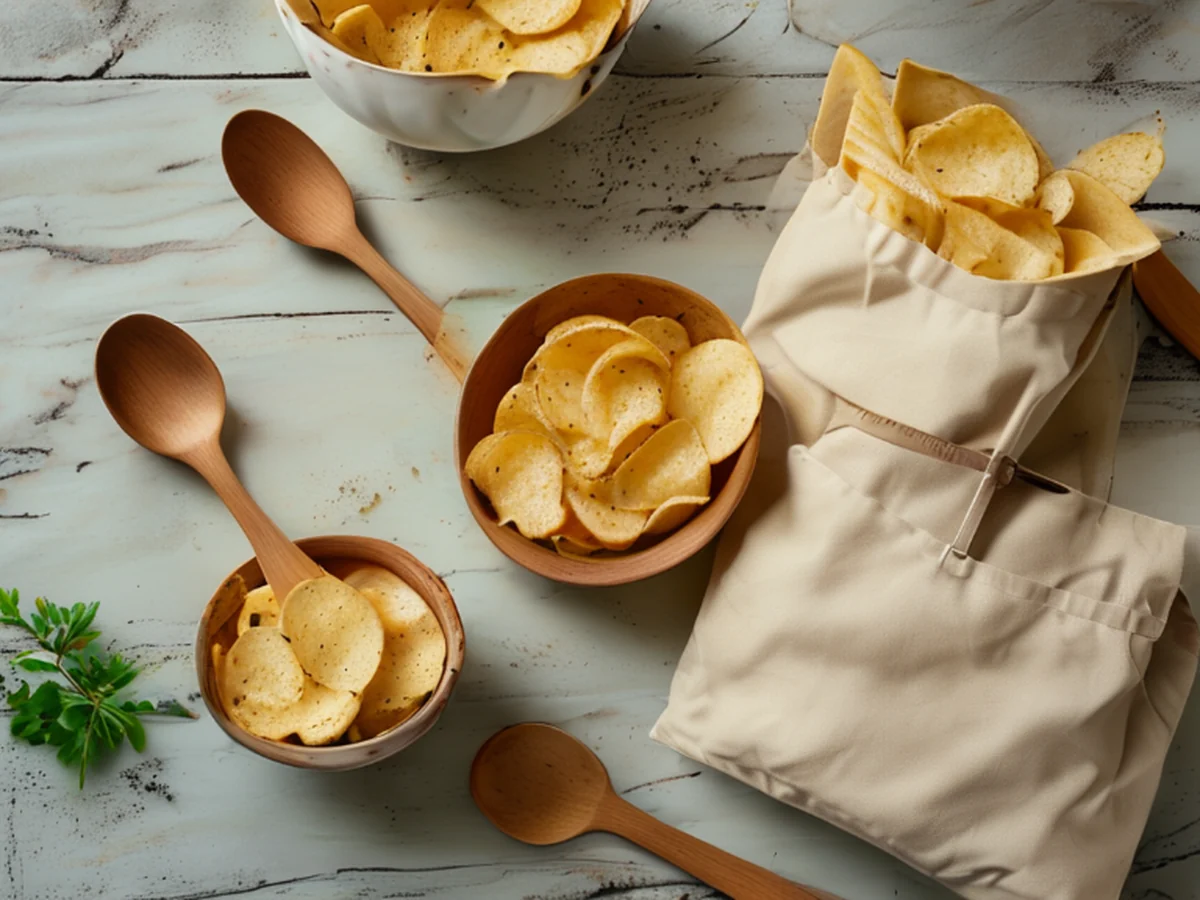
At dawn in the Chilean lowlands, a traveler reaches down to touch the cool, damp earth where a wild potato hides.
A scientist examines a microscopic slide of a tuber cell in a quiet laboratory. DNA analysis shows that more than 99% of all current varieties of potatoes are direct descendants of a subspecies that once grew in the lowlands of south-central Chile.
According to The International Potato Center, the center is based in Lima, Peru, and holds 4,870 types of potato germplasm, most of which are traditional landrace cultivars.
This genetic lineage explains why the potato became a global staple despite its specific origins.
The Potato Kitsch history begins in South America, where the biodiversity of the crop remains immense. The International Potato Center, based in Lima, Peru, holds 4,870 types of potato germplasm, most of which are traditional landrace cultivars.
This vast collection preserves the genetic heritage of the plant. Understanding the evolution of Kitsch food requires recognizing these traditional landrace cultivars as the foundation for modern starch consumption.
However, the specific origin remains difficult to pinpoint due to the lack of written records from that era.
How are traditional fats used in history? Potato Kitsch history
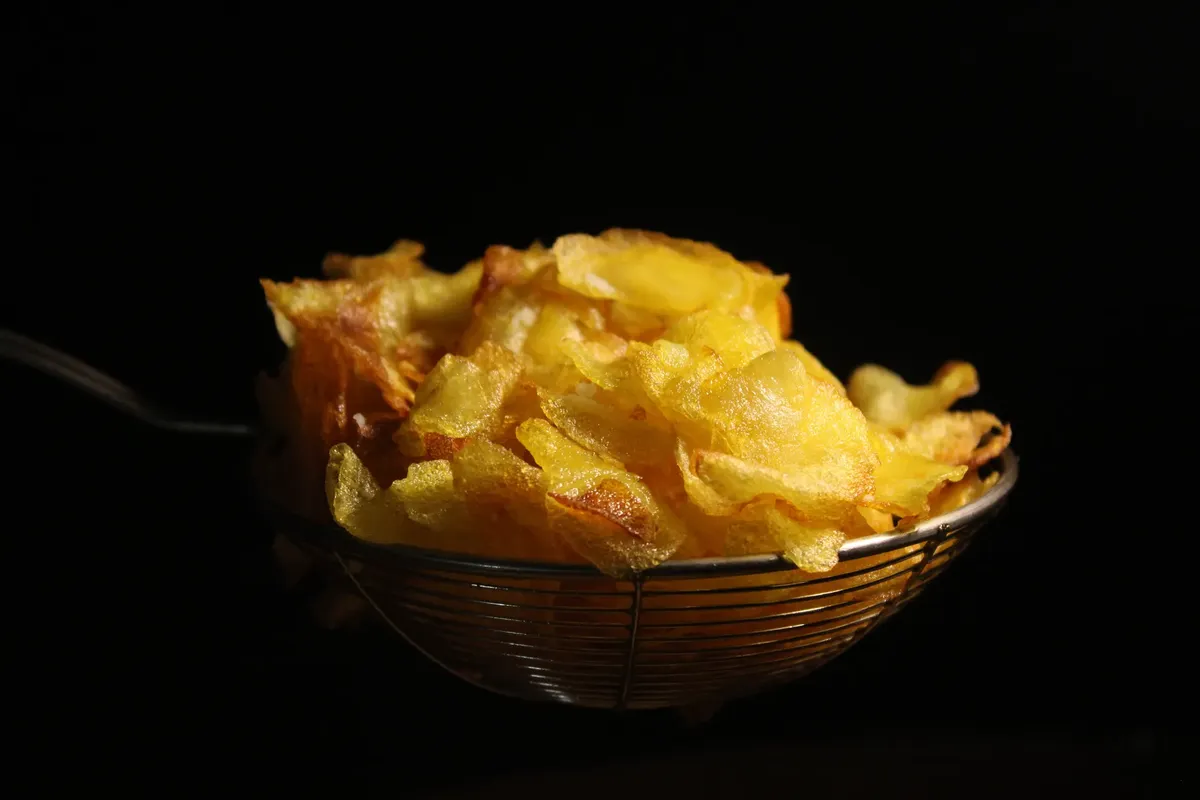
In a dim kitchen, the cook feels the heat of the flame while stirring a potato in heavy, bubbling lard.
A cook stirs a heavy iron pot over an open flame in a dim, historical kitchen. In some living industrial history museums, such as the Black Country and Beamish Living Museums in England, the traditional method of dripping or lard is used.
These institutions preserve the sensory experience of historical cooking, where animal fats provided the primary medium for frying.
The use of regional Kitsch ingredient use often involves these historical fats to replicate authentic textures. While modern kitchens favor vegetable oils, the heavy scent of lard defines the atmosphere of industrial heritage sites.
This connection to the past helps explain why certain textures are sought after in modern culinary recreations.
However, the availability of these fats often depended heavily on local livestock production.
What are the steps for triple-cooked chips?
A chef carefully moves a tray of sliced potatoes from a cold refrigerator to a bubbling vat of oil. To achieve a specific texture, the chips are first simmered, then cooled and drained using a sous-vide technique or by freezing.
This preparation ensures the interior remains soft while the exterior prepares for crisping.
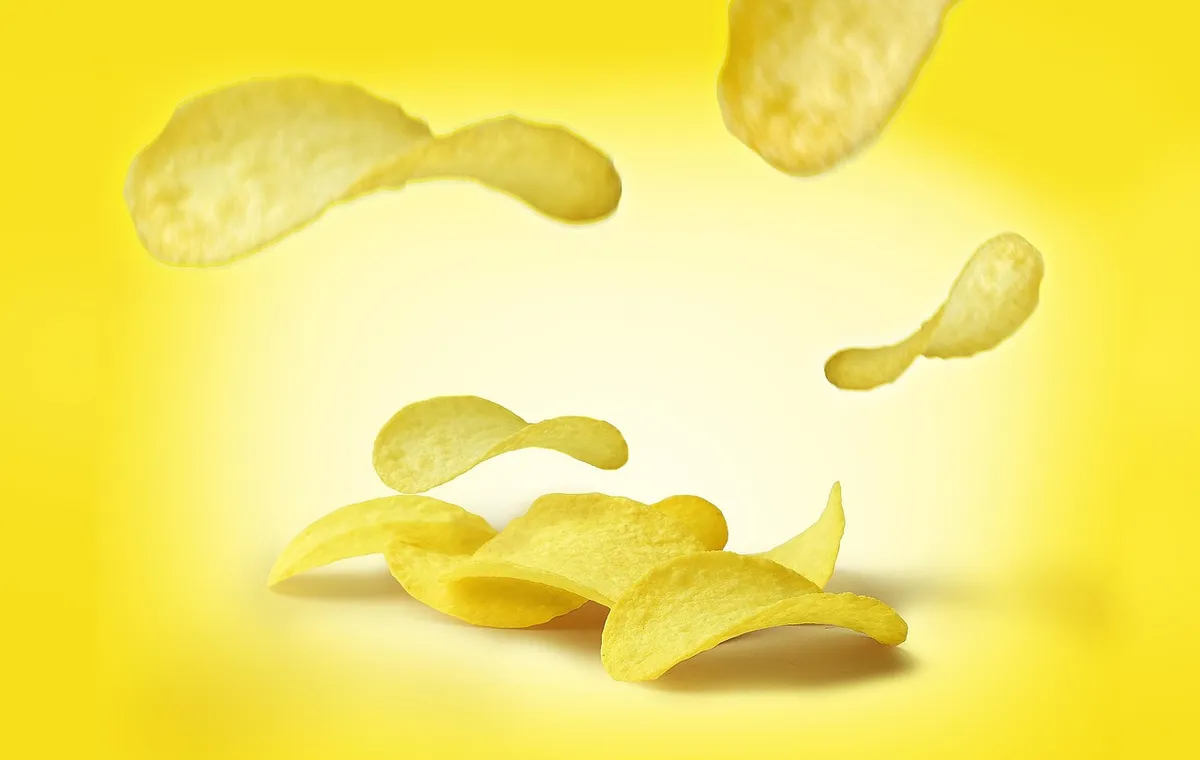
- Simmer the potatoes, then cool and drain them using a sous-vide technique or by freezing. 2. Deep fry the chips at 130 °C (266 °F) and allow them to cool again. 3. Deep fry the chips a final time at 180 °C (356 °F).
I watched the steam rise from the cooling potatoes before they entered the first hot oil bath. Some cooks prefer variations in the process, such as using 140 °C (284 °F) for the first cooking and 200 °C (392 °F) for the second.
A final check of the color ensures the outer crust reaches the desired golden hue without burning the interior.
I find that the second step takes the longest.
How do different frying temperatures compare?
A technician monitors a digital thermometer submerged in a deep fryer at a busy restaurant. Different cooking methods result in distinct textures and heat applications. Comparing these methods helps clarify how temperature control dictates the final quality of the potato.
| Method | First Temperature | Second Temperature |
|---|---|---|
| Standard Triple-Cooked | 130 °C (266 °F) | 180 °C (356 °F) |
| Alternative Variation | 140 °C (284 °F) | 200 °C (392 °F) |
Slices of potato are fried twice, once at 150 °C (300 °F) and then again after cooling, at 190 °C (375 °F). These specific thermal profiles are essential for managing moisture content.
Modern Kitsch variations rely heavily on these precise temperature shifts to differentiate a standard fry from a professional-grade chip.
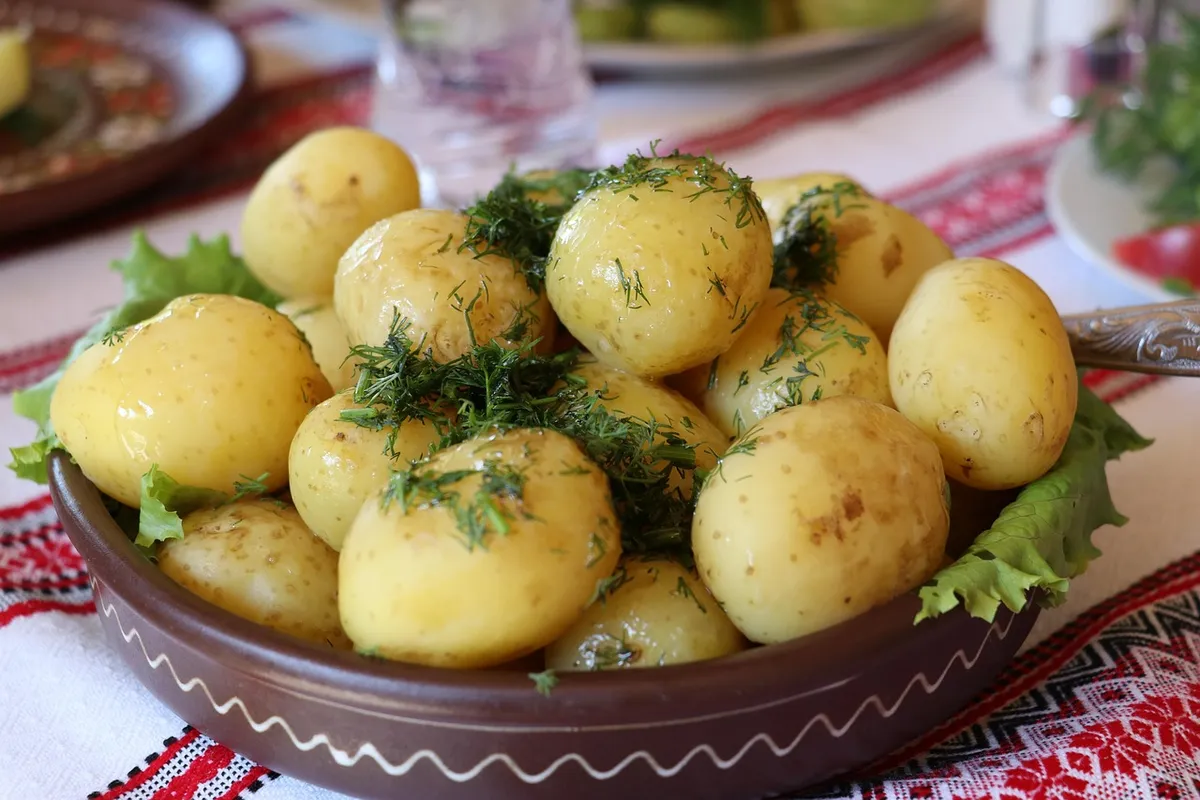
However, maintaining a consistent temperature becomes more difficult as the volume of food increases.
What is the nutritional profile of a boiled potato?
A nutritionist enters a bright office to review a digital database of food components. When looking at the basic building blocks of the dish, the nutritional density of the base ingredient is clear. Understanding the composition of the food is a fundamental part of dietary awareness.
According to USDA FoodData Central, potatoes that are boiled, cooked in skin, flesh, with salt contain 20.1g of carbohydrates, 87kcal of energy, 1.87g of protein, 2g of dietary fiber, 0.31mg of iron, 22mg of magnesium, 240mg of sodium, 13mg of vitamin C, and 10ug of folate per 100g.
These figures provide a baseline for the vegetable before any frying or additives are introduced.
However, the nutrient density decreases if the potato is peeled before boiling.
How much of the market does this food occupy?
A delivery driver unloads crates of fresh produce at a bustling urban market. The scale of potato and fish consumption is significant in certain regions. In the United Kingdom, fish-and-chip outlets sell roughly 25% of all the white fish consumed and 10% of all potatoes.
This massive volume highlights the cultural and economic importance of the dish in the local food landscape.
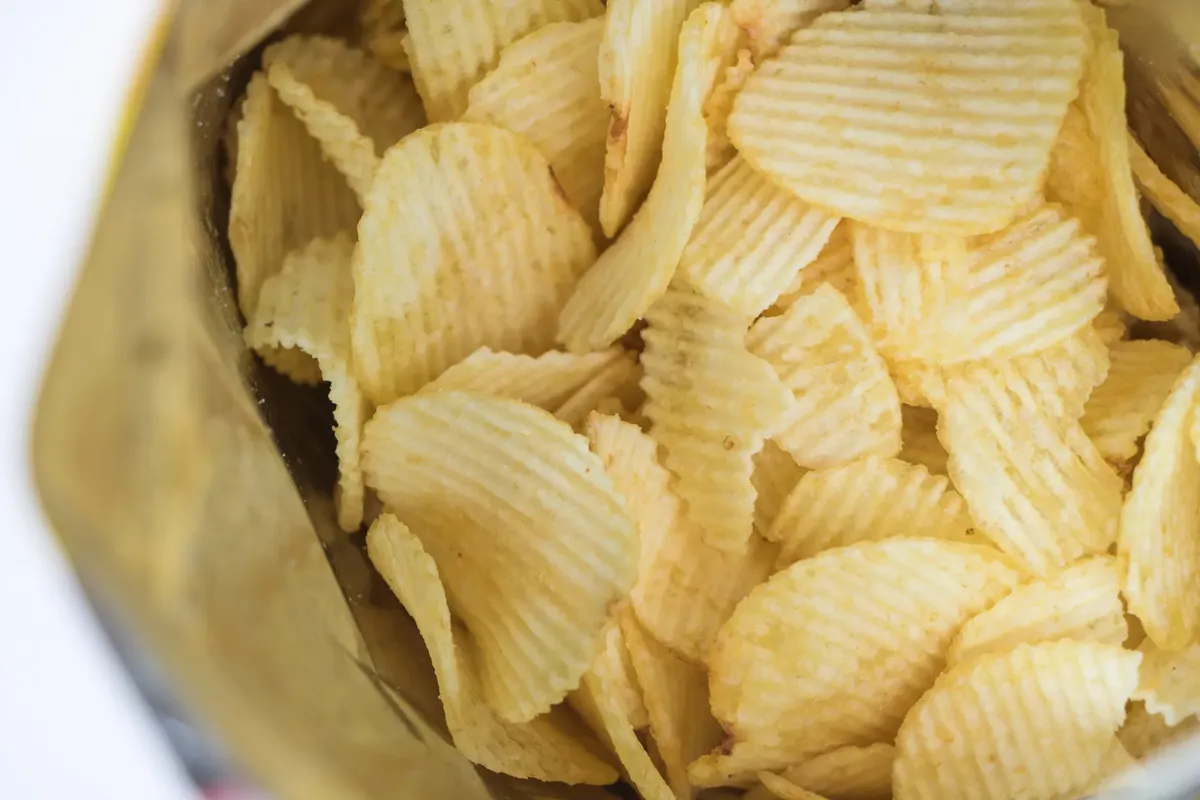
The evolution of Kitsch food is tied to this high level of consumption and availability. As the potato transitioned from a Chilean lowland plant to a global commodity, it became central to the food economy of many nations.
This article's scope is limited to the culinary history, preparation methods, and nutritional data of these specific potato preparations.
However, market dominance can fluctuate based on seasonal availability and regional preferences.
- Where does the potato come from?
- How are traditional fats used in history?
- What are the steps for triple-cooked chips?
The same subject is also called Kitsch food origin.
The same subject is also called Traditional Kitsch recipe.
The same subject is also called Potato dish history.
The same subject is also called Kitsch cooking methods.
Evolution of Kitsch food
Related






Comments 0