Kfood sesame oil boost: Guide to industry growth
"The aroma of toasted seeds can transform a simple meal into a culinary landmark."
Kfood sesame oil boost strategies aim to revitalize the agriculture and food industries by leveraging traditional flavors for global markets. This guide explores how specific production methods and strategic branding can bridge the gap between traditional farming and modern food technology.
Key takeaways include understanding the role of high-quality oils in food stability, the importance of agricultural integration, and the potential for global market expansion.
How does Kfood sesame oil boost the industry?

A farmer carefully selects golden seeds, knowing they hold the key to a massive market. This Kfood sesame oil boost strategy relies on the unique sensory profile of high-quality oils to attract international consumers.
By focusing on the purity and distinct aroma of the product, the industry can move from a niche ethnic ingredient to a staple in global pantries.
The strategy involves integrating agricultural production with advanced food processing to ensure consistency. This ensures that the flavor remains a reliable signature of the brand. When the aroma of freshly pressed oil fills a kitchen, it signals a high-quality culinary experience.
This connection between the field and the table serves as the foundation for industrial growth.
What are the roles of agricultural research and development?
A researcher examines the chemical composition of pressed oils under a bright laboratory light. Kfood oil industry growth depends heavily on the scientific understanding of lipid stability and flavor retention.
Research helps producers optimize the pressing process to maximize the unique qualities of the seeds while maintaining shelf stability.
Developing robust seed varieties is a primary focus for agricultural scientists. This ensures that the raw materials can withstand modern processing techniques. By refining these methods, the industry can produce oils that meet international standards for purity and quality.
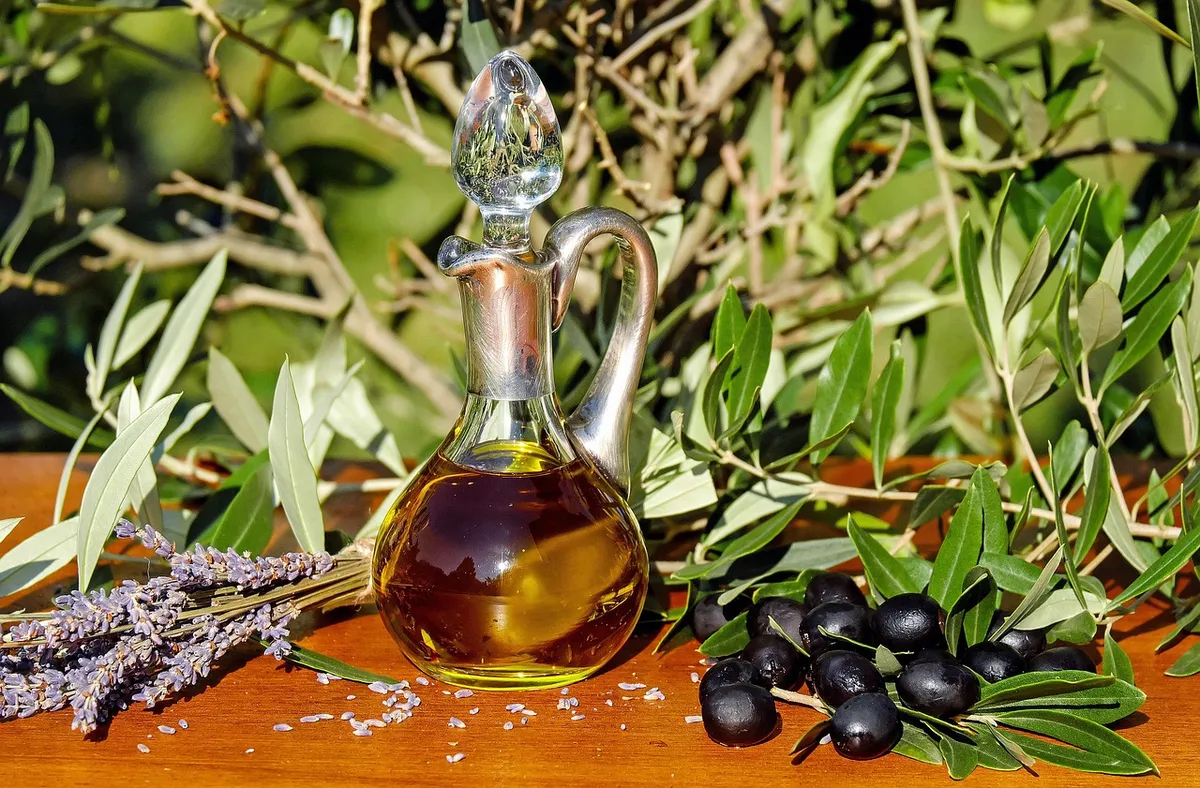
This technical foundation allows for more predictable yields and more consistent flavor profiles across different batches.
How can we manage the local economy sesame production?
A local cooperative gathers crates of seeds from various small-scale farms. Managing the local economy sesame production requires a balance between traditional farming and large-scale distribution needs.
Strengthening the supply chain ensures that small-scale farmers can participate in the global trade of Kfood products.
The industry must create stable pricing models to protect farmers from market volatility. By establishing strong links between local growers and food manufacturers, the economic benefits remain within the community.
This creates a sustainable loop where agricultural success directly supports the growth of the food industry.
What is the potential for Agri food sesame expansion?
A shipping container sits on a dock, ready to carry flavorful goods across the ocean. The potential for Agri food sesame expansion lies in the ability to adapt traditional products to diverse global culinary habits.
This involves creating versatile products that can be used in various cuisines beyond traditional Korean dishes.
Marketing efforts often focus on the health-conscious and gourmet segments of the global market. By highlighting the natural origins and unique processing methods, brands can appeal to a wide demographic.

This expansion requires careful attention to international food safety regulations and labeling standards to ensure smooth entry into new territories.
What are the technical aspects of oil stability?
A technician monitors the temperature of a pressing machine to ensure the perfect extraction. Understanding the technical properties of oils is essential for maintaining quality during long-distance shipping. This knowledge allows producers to manage the delicate balance of flavor and stability.
| Ingredient Type | Energy (kcal) | Fat (per 100g) |
|---|---|---|
| High oleic canola oil | 900 | 100g |
| Fully hydrogenated cottonseed oil | 884 | 100g |
I observed how different oil compositions can significantly impact the final product's characteristics. For instance, the energy content and fat levels can vary based on the specific industrial oil being used.
Comparing industrial oils, such as high oleic canola oil with 900kcal per 100g and fully hydrogenated cottonseed oil with 884kcal per 100g, demonstrates the diversity of the oil market.
How to implement a successful production strategy?
A production manager walks through a facility, checking the flow of the assembly line. To implement a successful strategy, businesses must follow organized protocols to ensure quality and scalability.
- Secure a reliable supply of high-quality raw seeds through long-term agricultural contracts. 2. Implement standardized pressing and purification processes to maintain flavor consistency. 3. Develop efficient packaging solutions that protect the oil from light and oxidation.
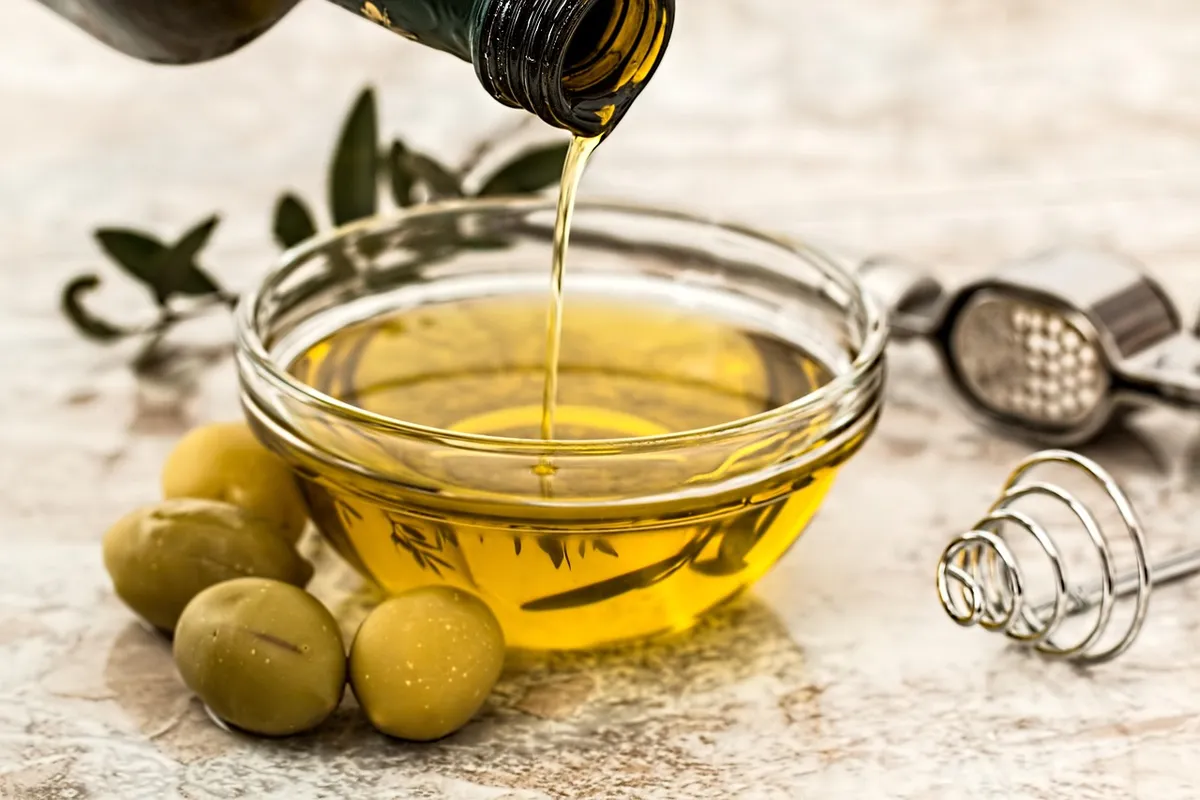
A final check of the quality control logs ensures that every batch meets the required standards before distribution. This systematic approach prevents inconsistencies that could damage the brand's reputation in the international market.
- How does Kfood sesame oil boost the industry?
- What are the roles of agricultural research and development?
- How can we manage the local economy sesame production?
The same subject is also called Sesame oil agri boost.
This part also covers Andong sesame oil.
This part also covers Ottogi sesame oil.
Related





Comments 0