Modern Latin Herb Fusion: Guide to Flavor Profiles
"The history of flavor is a history of movement, where regional staples transform to meet the tastes of new landscapes and changing lifestyles."
Modern Latin herb fusion represents the intersection of traditional seasoning and contemporary culinary techniques. This guide explores how classic spice profiles are being adapted for modern kitchens, offering ways to integrate these bold flavors into daily meals.
You will learn about the transition from raw ingredients to processed blends, the nutritional landscape of spice-based products, and the practical steps for seasoning. This discussion focuses on flavor profiles and does not provide medical advice.
How does Modern Latin herb fusion work in a kitchen?
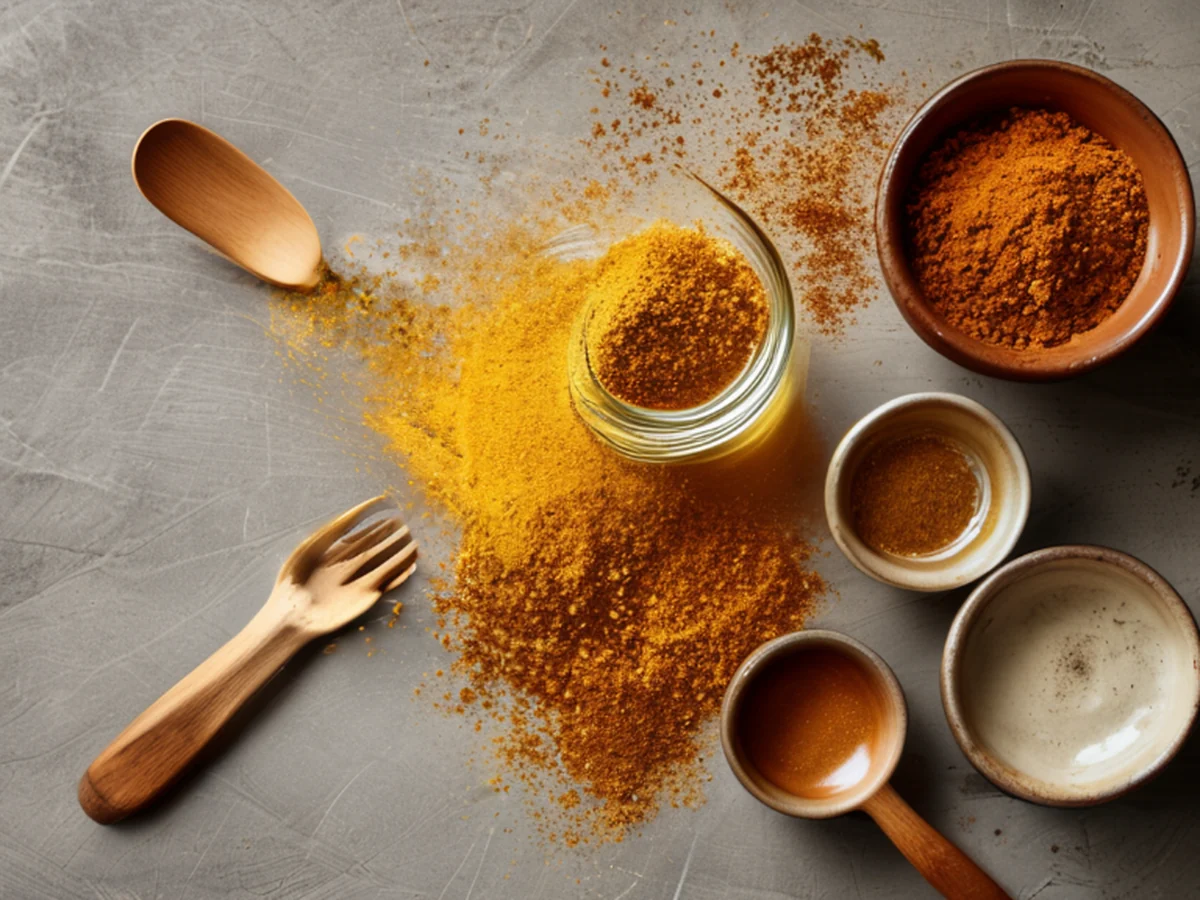
At sunset in the bustling kitchen, the chef whisks pungent oils into a simmering sauce to master the art of modern herb fusion.
A chef stands over a hot pan, whisking a blend of dried herbs into a simmering sauce. This process of combining traditional elements with new formats defines the essence of Modern Latin herb fusion.
Modern culinary trends often involve taking high-intensity spices and refining them for more subtle applications. This shift allows for a more versatile use of ingredients that were once strictly tied to heavy, traditional dishes.
By understanding the base notes of these spices, cooks can create more balanced meals.
Latin Spice Evolution often begins with understanding the original potency of the ingredients. Chefs now use these profiles to accent lighter proteins or even snacks. This transformation ensures that the soul of the flavor remains while the application becomes more flexible for global palates.
Chefs achieve this fusion by balancing high-aromatic herbs like cilantro and epazote with contemporary techniques like emulsification and cold-pressing. This approach allows the bright, volatile oils of traditional botanicals to integrate seamlessly with modern textures.
What are the characteristics of Latin Spice Evolution?
A cook carefully measures out a spoonful of spice, noting the fine texture of the powder. This careful measurement is a hallmark of the Latin Spice Evolution as flavors become more standardized for convenience.
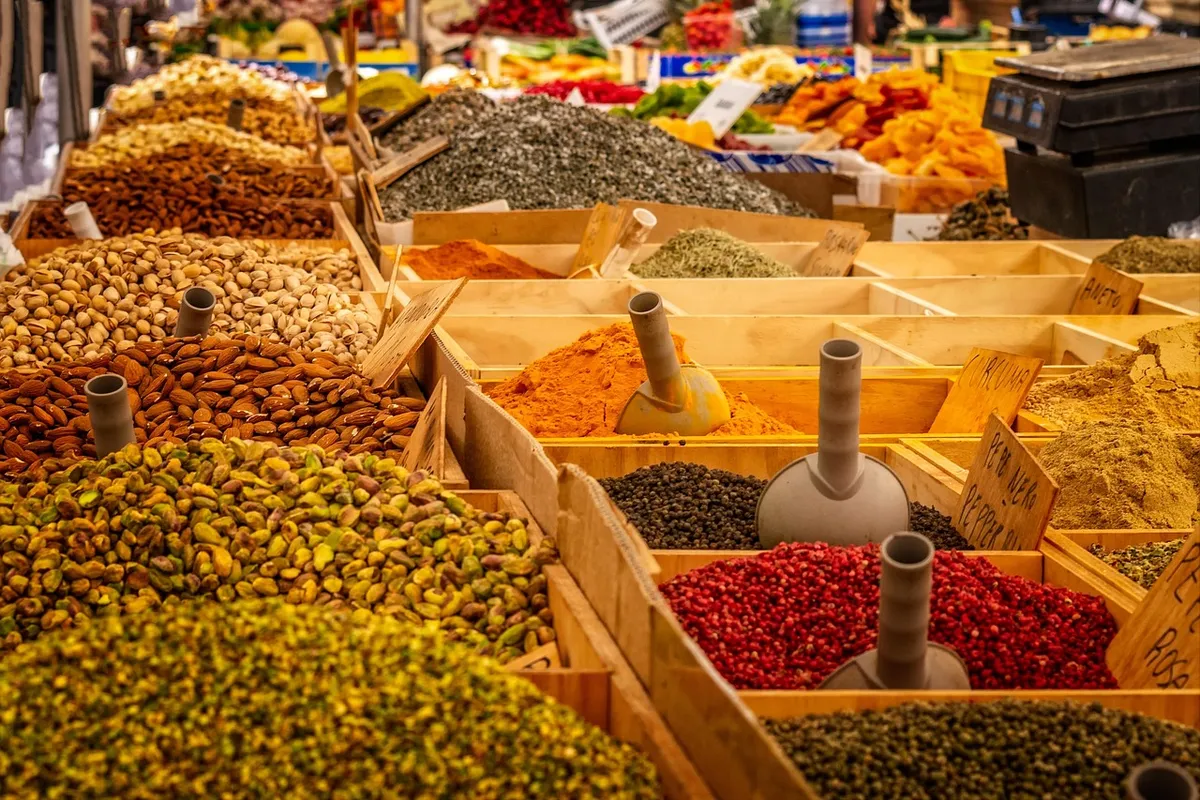
The transition from whole seeds to pre-mixed powders allows for consistent results in fast-paced environments. This evolution makes it easier for home cooks to replicate complex flavor profiles without needing vast quantities of individual ingredients.
New Latin Flavors are often characterized by a balance of warmth and acidity. As these ingredients move into different culinary contexts, the way they are processed changes to suit specific dietary needs. This ensures that the depth of flavor is maintained during the transition.
The evolution is defined by a move toward layered complexity, where heat is no longer the sole focus. Instead, spices are used to highlight acidity and earthiness, creating a more nuanced profile that bridges traditional heat with subtle floral notes.
What are the nutritional aspects of New Latin Flavors?
A person checks the label on a spice-infused snack, looking for specific nutritional values. Understanding the composition of these blends is part of the New Latin Flavors movement.
The USDA FoodData Central provides information regarding the nutritional aspects of these flavors.
When spices are integrated into processed goods, their nutritional profiles change based on the additives and carrier ingredients. For instance, according to USDA FoodData Central, pumpkin pie spice contains 69.3g of carbohydrates and 342kcal per 100g.
These figures help consumers understand the energy density of spiced products.
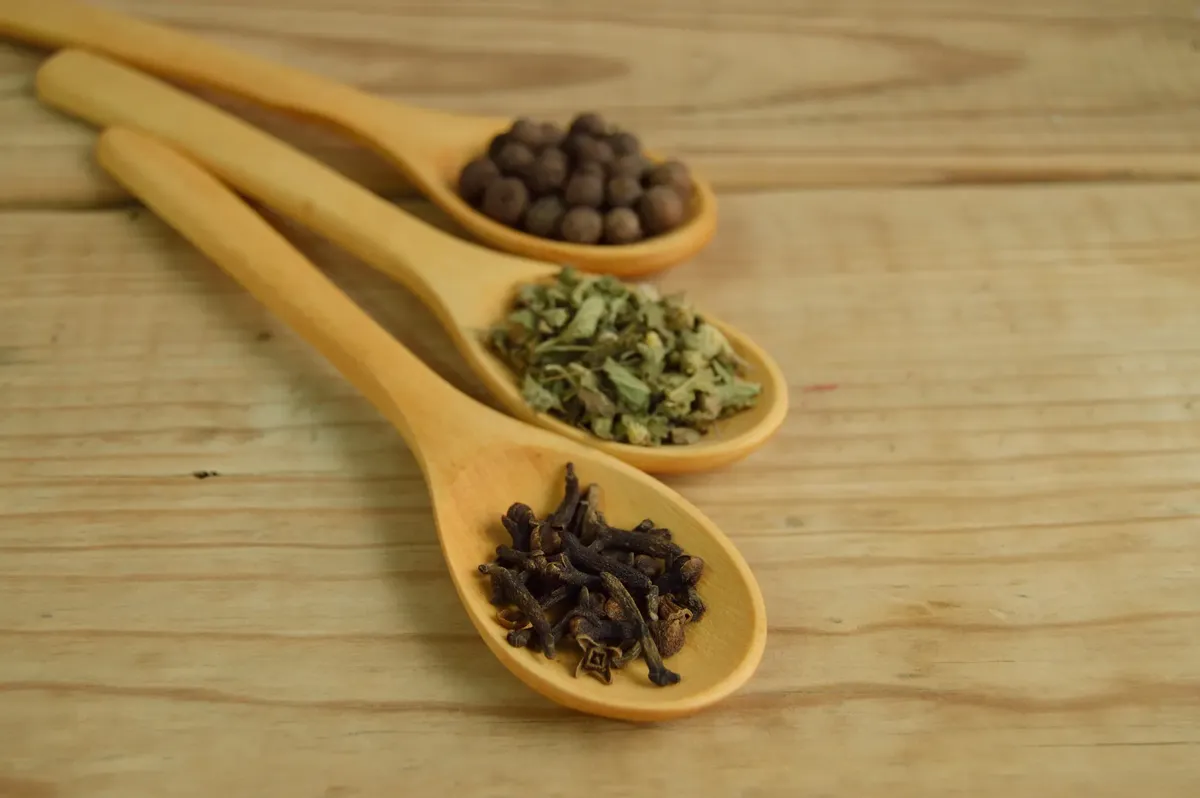
The use of spices in modern food products can introduce various micronutrients. For example, pumpkin pie spice contains 682mg of calcium and 663mg of potassium per 100g, according to USDA FoodData Central. These values are essential for those tracking their intake during a dietary shift.
Utilizing fresh herbs and whole spices provides a way to enhance flavor depth without relying on excessive sodium or processed additives. This shift prioritizes nutrient-dense aromatics that offer antioxidant properties alongside culinary appeal.
How to manage New Latin Herb Trends in daily cooking?
A person prepares a quick meal, sprinkling a seasoned blend over a bowl of grains. Managing New Latin Herb Trends requires a balance between traditional intensity and modern dietary constraints.
To successfully integrate these flavors into a modern routine, follow these steps:
- Start with small quantities to test the intensity of the blend against your base ingredients. 2. Mix dried spice blends with healthy fats or proteins to moderate the heat and acidity. 3. Gradually introduce more complex, multi-ingredient blends as you become familiar with their profiles.
Always perform a final taste check before serving to ensure the seasoning level meets your preference. This cautious approach prevents the spices from overwhelming the primary ingredients of the meal.
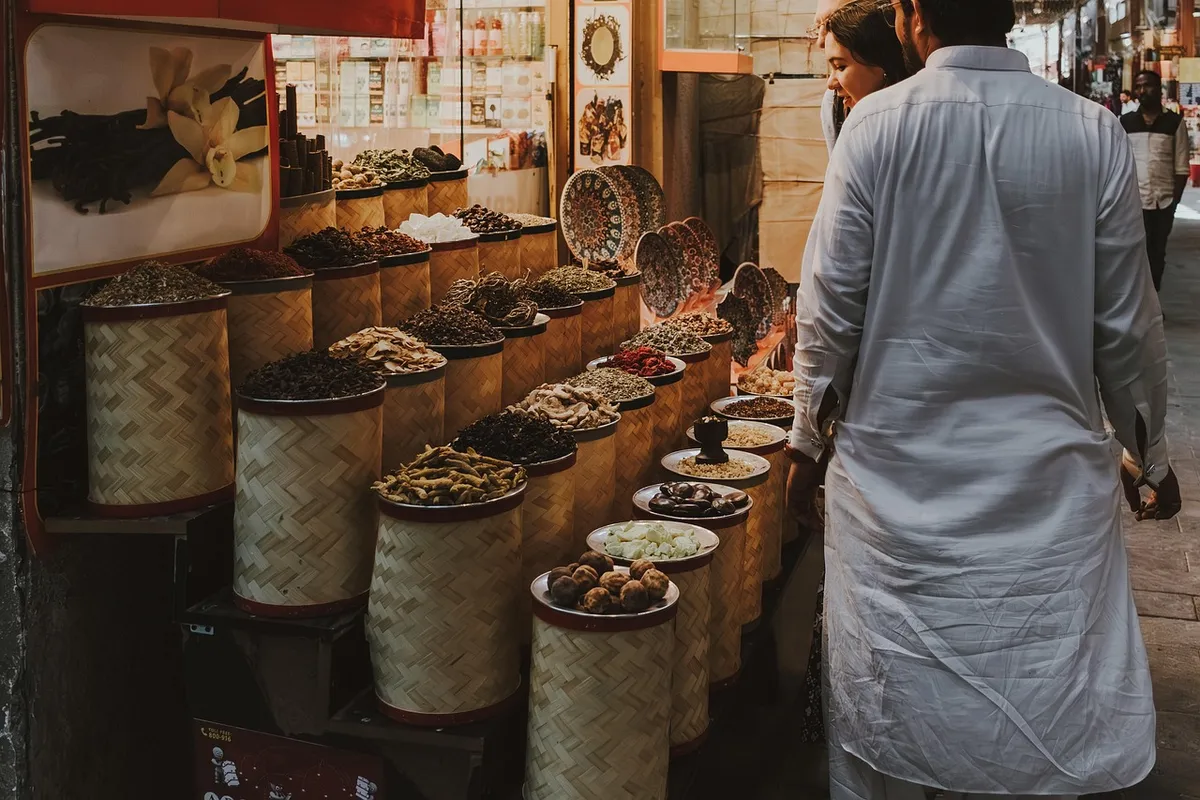
- Start by incorporating fresh herbs into standard dressings or oils to introduce subtle flavor shifts.
- Gradually replace dried spices with fresh herb infusions to maintain brightness in cooked dishes.
- Experiment with small amounts of pungent botanicals to find the right balance for your palate.
How do we see Latin Herb Culinary Shifts in modern products?
A shopper picks up a packaged item, comparing the ingredients to traditional versions. This comparison highlights the ongoing Latin Herb Culinary Shifts occurring in the food industry.
The industry often moves toward more convenient, shelf-stable versions of traditional seasoning. This shift allows for wider distribution and easier access to specific cultural flavors in different parts of the world.
It also allows for the creation of specialized products like protein bars or seasoned snacks.
Modernizing Latin Spices involves adapting these textures for various food formats. This can include everything from fine powders for baking to coarse rubs for grilling. Such versatility is key to the widespread adoption of these flavors in diverse culinary settings.
Modern consumer goods increasingly feature botanical infusions and herb-forward profiles in everything from artisanal snacks to craft beverages. These products reflect a broader trend of bringing authentic, aromatic profiles into convenient, everyday formats.
What are the limits of Modernizing Latin Spices?
A cook pauses, noticing how a specific spice blend reacts differently to a high-heat environment. Recognizing the limitations of these ingredients is a vital part of Modernizing Latin Spices.
One limitation is that the intensity of pre-mixed blends can vary significantly between brands, making it difficult to maintain consistency. Additionally, some processed spice blends may contain fillers that alter the intended flavor profile.
| Ingredient Type | Carbohydrate (per 100g) | Calcium (per 100g) |
|---|---|---|
| Pumpkin Pie Spice | 69.3g | 682mg |
| Protein Bar (South Beach) | Not specified | Not specified |
I found that adjusting the seasoning in small increments is the most reliable way to handle these intense blends. This prevents a single dish from becoming unusable due to over-seasoning.
The primary limit lies in maintaining the cultural soul of the ingredients; over-refinement can strip away the robust character that defines the cuisine. Striking a balance between innovation and respect for traditional flavor profiles is essential to prevent the loss of identity.
Related


Comments 0