African rice cooking origins: Why grains sustained cultures
"The history of food is often written in the grains that sustained civilizations through changing climates and shifting economies."
Understanding the historical roots of both agricultural evolution and the preservation of cultural identity is essential to grasping African rice cooking origins. This guide explores how traditional methods shaped regional diets and how these staple grains have faced economic shifts over time.
Key takeaways include an overview of historical grain usage, the significance of heritage sites, and a look at nutritional profiles.
How did African rice cooking origins shape regional diets?
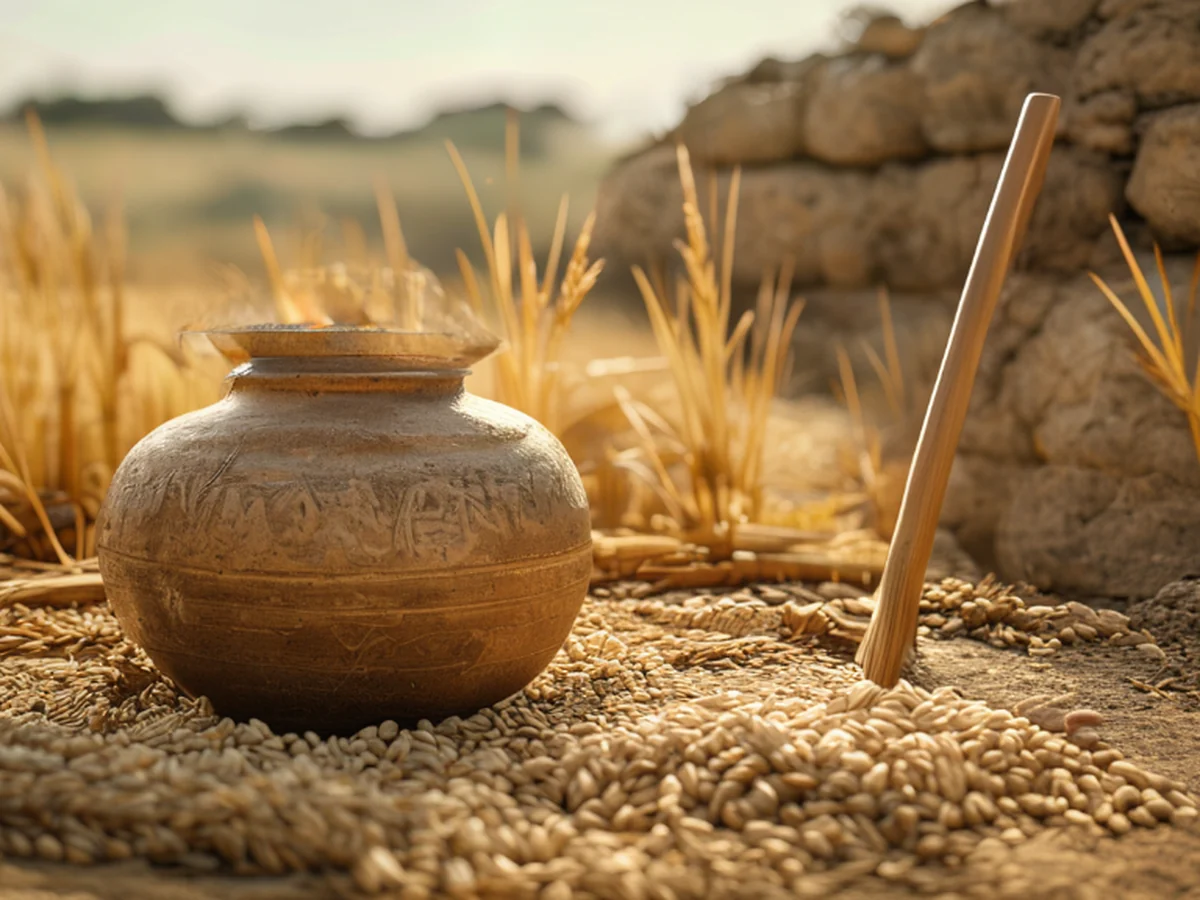
At sunset, I stir the pot over an open flame, feeling the steam from the ancient African grains rise against my skin.
The history of rice preparation is deeply tied to the geography of the continent and the movement of people. The origins of African rice cooking often involve communal techniques and the use of locally available water or heat sources.
These methods ensured that grain-based meals could be prepared reliably across diverse landscapes.
The development of these methods allowed communities to utilize various grains effectively. For example, different textures and cooking times were established to suit specific varieties of rice.
This foundational knowledge allowed for the creation of diverse dishes that remain central to many cultures today.
In many regions, the evolution of these techniques reflects a deep connection to the land. People adapted their cooking to the specific seasonal availability of crops. This adaptability is a hallmark of how food cultures survived and thrived through different eras.
- Select heirloom rice varieties.
- Incorporate traditional seasoning blends.
- Utilize slow-simmering techniques.
- I find the emphasis on heirloom varieties particularly interesting.
What is the significance of the African Heritage House?

During a quiet afternoon at the grounds, I run my hand over the rough stone of the African Heritage House while feeling the warm breeze.
The African Heritage House stands as a significant landmark in Kenya. It was classified and gazetted under the National Museums and Heritage Act in 2016. This site serves as a reminder of the importance of preserving cultural history.
Walking through the grounds of such a monument, one feels the weight of history preserved in stone and soil. The air in Kenya feels warm and still during a quiet afternoon visit. I once observed how these sites act as anchors for local identity and historical education.
Preserving these sites helps maintain the connection between modern populations and their ancestral roots. It ensures that the stories of the people who first cultivated these lands are not lost to time. Such heritage is vital for understanding the cultural context of traditional foodways.
In 2013, researchers from the Overseas Development Institute showed that rice prices have more than doubled since 2000, rising by 120 percent in real terms.
How do we compare the nutritional profiles of different rice types?

Different types of rice offer varying nutritional benefits depending on how they are processed or grown. For instance, comparing cooked rice noodles to cooked wild rice reveals how different cultural methods of rice ingredient usage result in distinct differences in nutrient density.
| Nutrient (per 100g) | Rice Noodles, cooked | Wild Rice, cooked |
|---|---|---|
| Fiber | 1g | 1.8g |
| Protein | Not specified | 3.99g |
| Calcium | 4mg | 3mg |
| Potassium | 4mg | 101mg |
According to USDA FoodData Central, wild rice contains 1.8g of fiber and 3.99g of protein per 100g. In comparison, cooked rice noodles provide 1g of fiber and 24g of carbohydrates per 100g. These variations influence how different grains were historically used in various culinary applications.
What were the economic factors affecting rice prices?
Economic shifts have historically influenced how much rice a population can consume. In 2013, researchers from the Overseas Development Institute showed that rice prices had more than doubled since 2000, rising by 120% in real terms.
According to the Overseas Development Institute, researchers showed that rice has more than doubled in price since 2000, rising by 120% in real terms in 2013.
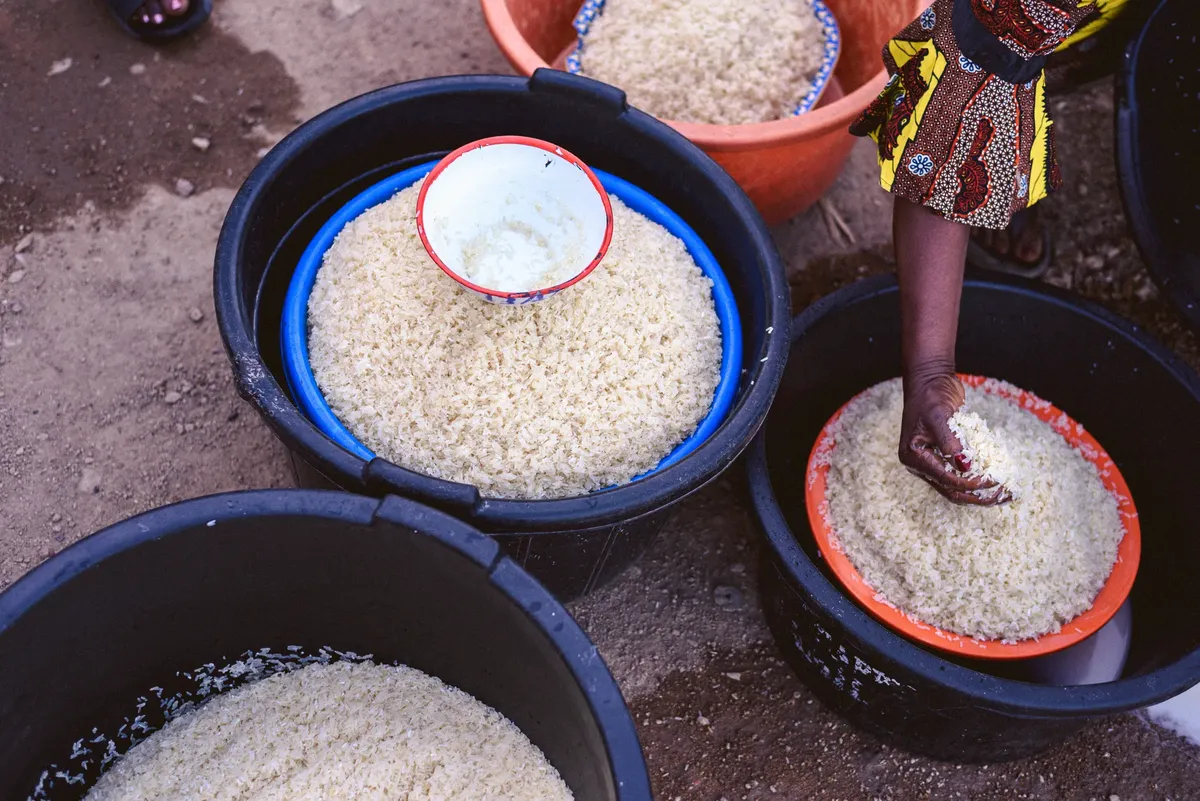
Rising costs can change traditional cooking habits, often forcing a shift toward different grains or preparation methods. When staple foods become more expensive, the methods used to stretch or supplement these meals often evolve.
This economic reality has shaped the practical side of food history for generations.
Price fluctuations can impact everything from how much grain is harvested to how it is distributed. These changes often dictate the survival of certain traditional recipes versus the adoption of more cost-effective alternatives. Understanding these trends helps clarify the history of food security.
How can you prepare traditional grains at home?
Preparing grains using traditional-inspired methods requires attention to moisture and heat. While modern tools are available, the core principles of soaking, boiling, and steaming remain relevant.
- Rinse the grain thoroughly to remove excess starch or impurities. 2. Use a specific water-to-grain ratio based on the type of grain being prepared. 3. Allow the grain to steam or rest after the heat is turned off to ensure even texture.
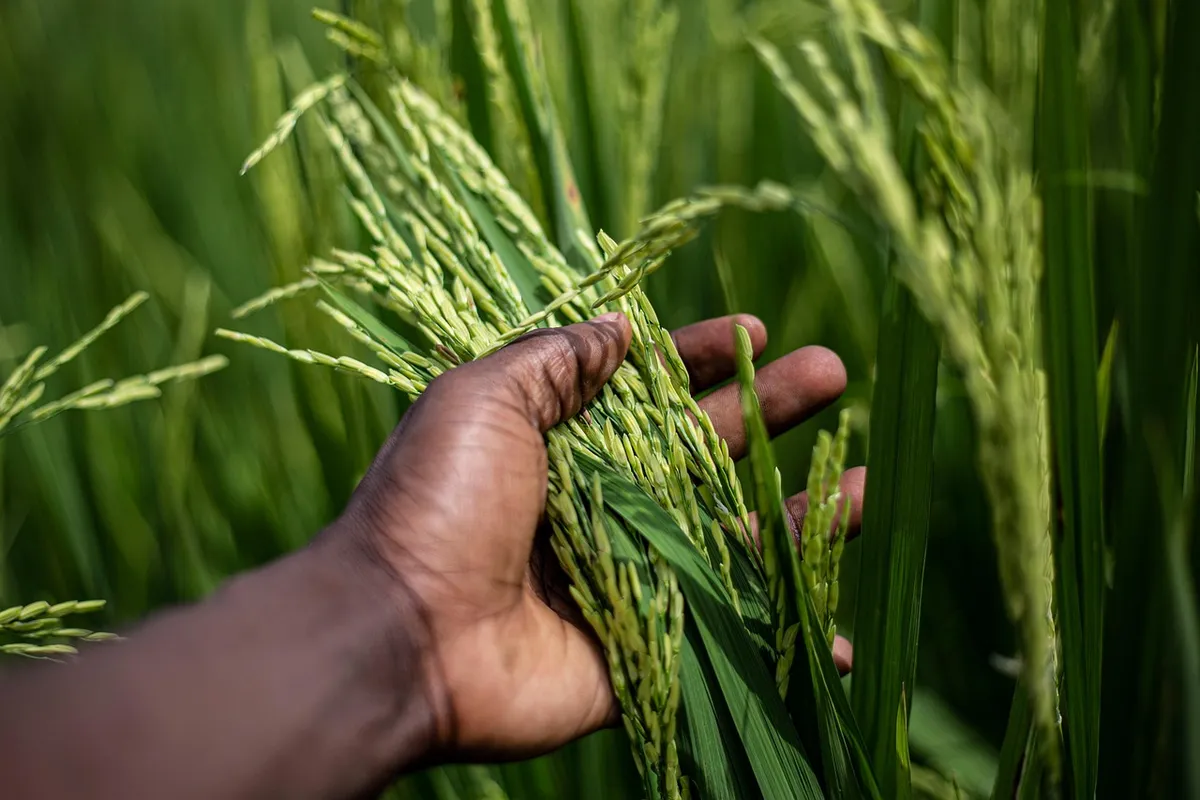
Check the consistency of the grain before serving to ensure it meets your desired texture. A final check of the moisture levels prevents the meal from becoming too dry or too soft.
Is there a limitation to studying rice history?
The study of historical foodways is often limited by the availability of written records and archaeological evidence. For example, while we have data on price changes, we may not always have complete records of every local variety used in ancient times.
Historical analysis relies heavily on the fragments of information left behind by previous generations. Without comprehensive documentation, some specific regional techniques may remain partially obscured. This limitation means our understanding is always evolving as new discoveries are made.
Related
- What are the traditional methods for bagel preparation?
- Rice dish origins and history: Guide to global grains
How does the history of food reflect environmental challenges?
The endurance of rice cooking traditions demonstrates how communities successfully navigated environmental pressures. Localized cooking methods were a direct response to the specific climatic conditions present in a region.
These adaptations were crucial for sustaining populations through periods of environmental stress.
The availability of certain grains dictated the preparation methods employed by past societies. When resources were scarce, the techniques developed allowed for maximum yield from limited inputs. This careful management of resources is embedded within the history of food practices.
The movement of people across landscapes often brought these refined cooking techniques with them. Migratory groups carried their established knowledge regarding grain processing, allowing them to sustain themselves in new territories.
This continuity highlights the resilience inherent in the history of food.




Comments 0