North American burger ingredients: 65 mm How to cook best
"The hamburger reflects a culinary bridge between German immigrant traditions and the rapid pace of American commerce."
Traditional North American burger ingredients typically center on a ground meat patty served in a bun, a concept rooted in the German Hamburg steak.
This guide explores the historical evolution of these components, compares nutritional profiles of common fast-food versions, and outlines proper cooking safety.
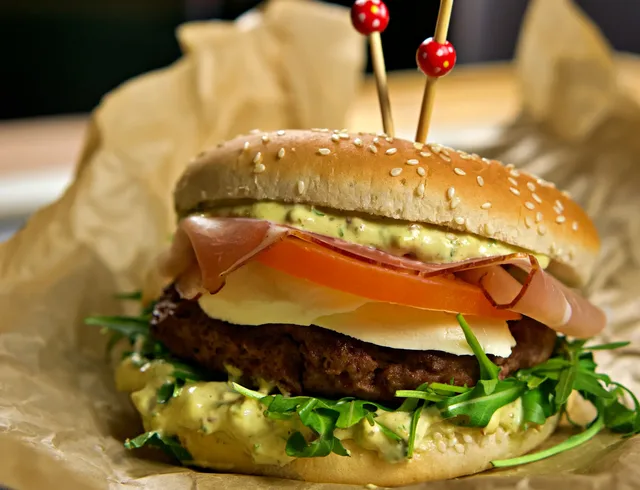
You will learn about the origins of the slider, the importance of internal temperature, and how much revenue certain early pioneers earned from this single item.
* The namesake connection to German Hamburg steak. * The invention of the "slider" by White Castle. * Safety standards for internal meat temperature. * Nutritional variations between major fast-food chains.
Where did the name of the burger come from?
At dusk in a Wisconsin kitchen, the cook felt the searing heat of the griddle while recalling the north winds of Germany.
A cook in Seymour, Wisconsin, prepares a simple meat patty on a hot griddle. The Seymour Community Historical Society of Seymour, Wisconsin, credits Nagreen, also referred to as "Hamburger Charlie," with the invention. This historical perspective connects the modern sandwich to its immigrant roots.
The Historical Society explains that Nagreen named the hamburger after the Hamburg steak with which local German immigrants were familiar. This classic burger food history shows how culinary traditions migrate across borders.
By adapting the seasoned steak into a portable format, the sandwich became a staple of the American diet.
How the slider changed North American burger ingredients
A kitchen worker presses a small square of meat onto a flat metal surface.
White Castle marketed and sold large numbers of small 65 mm (2+1⁄2 in) square hamburger sandwiches, known as sliders, and created five holes in each patty, which helped them cook evenly and eliminated the need to flip the burger. This method revolutionized the American burger making process.
The evolution of burger ingredients and preparation methods allowed for mass production in early fast-food settings. These small, efficient sandwiches allowed kitchens to serve customers rapidly during the rise of drive-in culture.
The specific design of the patty ensured consistency in texture and heat distribution.
What are the nutritional differences in standard burgers?
A person looks at a nutrition label while choosing between two different menu items. Traditional burger recipe comparisons often focus on caloric density and macronutrient distribution. Using USDA FoodData Central, we can see how different commercial preparations vary in their composition.
| Nutrient (per 100g) | McDonald's Hamburger | Burger King Hamburger |
|---|---|---|
| Calories | 264kcal | 261kcal |
| Fat | 10.1g | 10.6g |
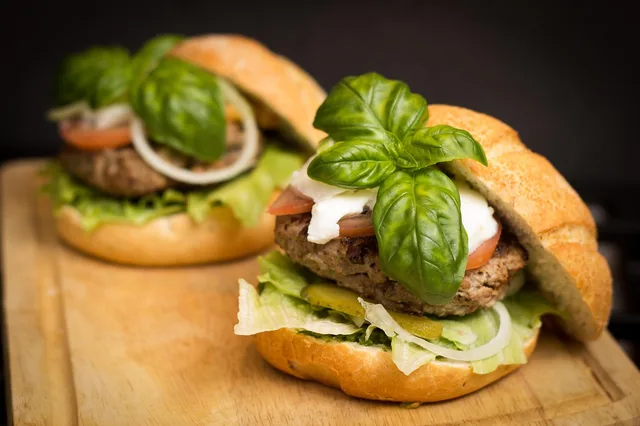
I compared these two specific profiles to see how closely they align. While the caloric difference is minimal, the specific micronutrient counts vary slightly between the two brands.
How do you cook a burger safely?
A chef checks the center of a thick patty with a metal probe. Because of the potential for food-borne illness, the USDA recommends hamburgers be cooked to an internal temperature of 160 °F (71 °C). Following these guidelines is essential for preventing illness during home or commercial cooking.
To ensure a safe meal, follow these steps: 1. Insert a food thermometer into the thickest part of the patty. 2. Verify that the reading reaches at least 160 °F (71 °C). 3. Allow the meat to rest briefly before serving to ensure even heat distribution.
Finally, check the thermometer reading one last time to confirm it meets the required threshold.
What was the economic impact of the hamburger?
An entrepreneur reviews a ledger of daily sales in a small diner. The history of the hamburger is closely tied to the commercial success of early franchises. After analyzing their sales, the brothers discovered that, to their surprise, 80% of their revenue was coming from selling hamburgers.
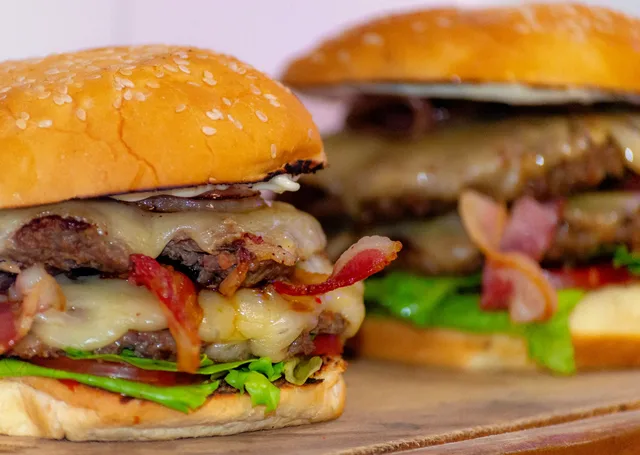
This high percentage of revenue highlights the central role of the sandwich in the food service industry. The cultural aspects of burger style helped drive the rapid expansion of many famous restaurant chains.
As demand grew, the hamburger transitioned from a local novelty to a global economic powerhouse.
- Where did the name of the burger come from?
- How did the slider change burger making?
- What are the nutritional differences in standard burgers?
How does the preparation method influence the hamburger's texture?
- The process of pressing the meat patty onto a flat metal surface, as done with the slider, directly influences the final texture of the hamburger. 2. This initial compression helps create a consistent density across the small square of meat. 3. The five holes intentionally placed in the patty aid in even cooking, which is a key procedural element in its design.
The design choices made during the slider's creation allowed for a specific mouthfeel that differed from a standard, uncompressed patty. This structural difference is a direct result of the manufacturing procedure employed by White Castle.
What conditions affect the hamburger's commercial viability?
The rapid pace of American commerce created a condition where portability became a major factor for the hamburger. Early pioneers found that the small, efficient nature of the slider met the growing consumer demand for quick service.
This commercial condition spurred the evolution of the hamburger into a mass-market item.
The historical success of the hamburger demonstrates how meeting market conditions drives culinary adaptation. The ability to serve customers quickly during the rise of drive-in culture was a critical condition for the early fast-food model.
The hamburger reflects a culinary bridge between German immigrant traditions and the rapid pace of American commerce, showing how cultural items adapt to economic conditions.





Comments 0