Regional Dialects: Why Burgers Taste Different Across the US
"A burger is never just a burger; it is a canvas of American identity, shifting from a quick roadside snack to a gourmet masterpiece of personal expression."
The burger’s dominance in the United States stems from its unique ability to adapt to any social context, whether it is a drive-thru window or a white-tablecloth bistro. It succeeds because it offers unparalleled customization, allowing every eater to become a co-creator of their meal.
This evolution reflects a broader American trend of moving from mass-produced uniformity toward highly individualized culinary experiences.
Key Takeaways * The burger has evolved from a basic commodity into a complex symbol of culinary customization. * Market growth in the fast-food sector has historically driven the burger's ubiquity.
* Regionality plays a massive role, with local ingredients creating distinct "burger dialects." * The industry currently balances the efficiency of mass production with the rising demand for gourmet quality.
Why did the burger become a national obsession?
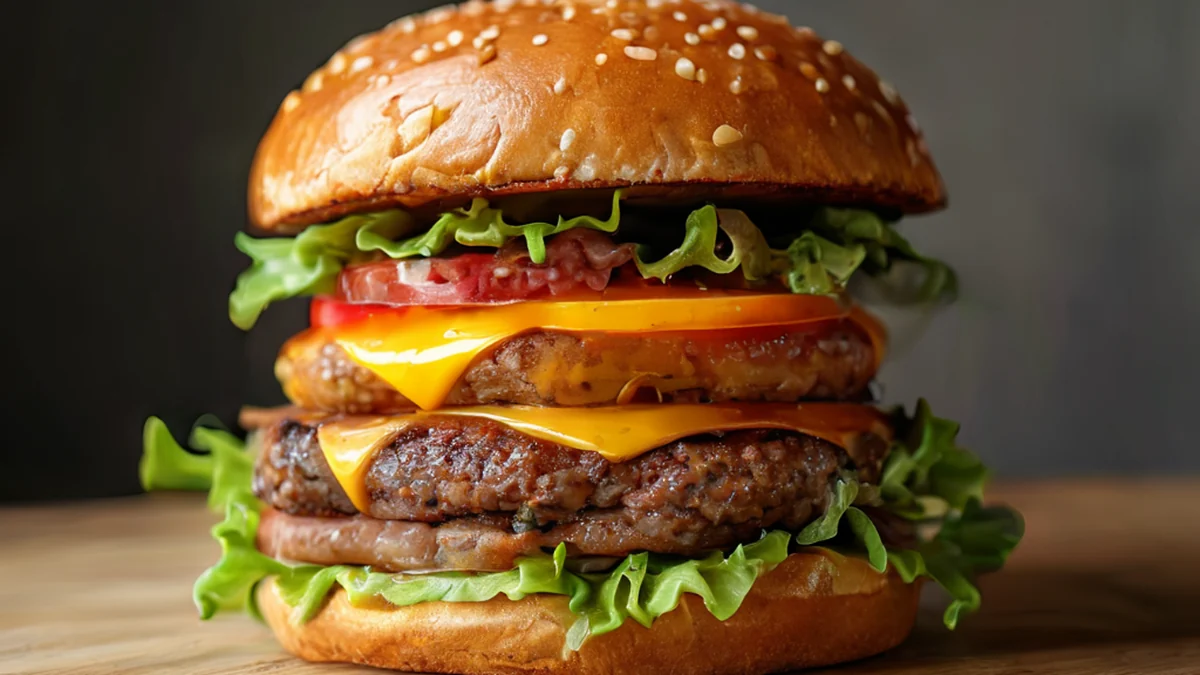
A driver pulls into a neon-lit parking lot at 11:00 PM, the scent of seared beef wafting through the cracked window. The heavy weight of a paper bag sits on the passenger seat, warm and grease-stained.
The burger’s rise was fueled by the sheer scale of American industrialization and the demand for accessible, quick sustenance. While the exact origins of the sandwich are debated, its transformation into a cultural icon was cemented by the rise of mass production.
This allowed the burger to move from local diners into a massive, standardized industry.
The scale of this industry has been immense over the decades. For instance, the National Restaurant Association forecast that fast-food restaurants in the US would reach $142 billion in sales in 2006, a 5% increase over 2005.
This massive financial engine turned the burger into a staple of the American diet, making it a ubiquitous presence in almost every town across the country.
As of 2024, the burger remains the most consumed handheld meal across the United States.
But the story of the burger isn't just about scale; it is about the science of why we crave it.
What makes the modern burger so addictive?
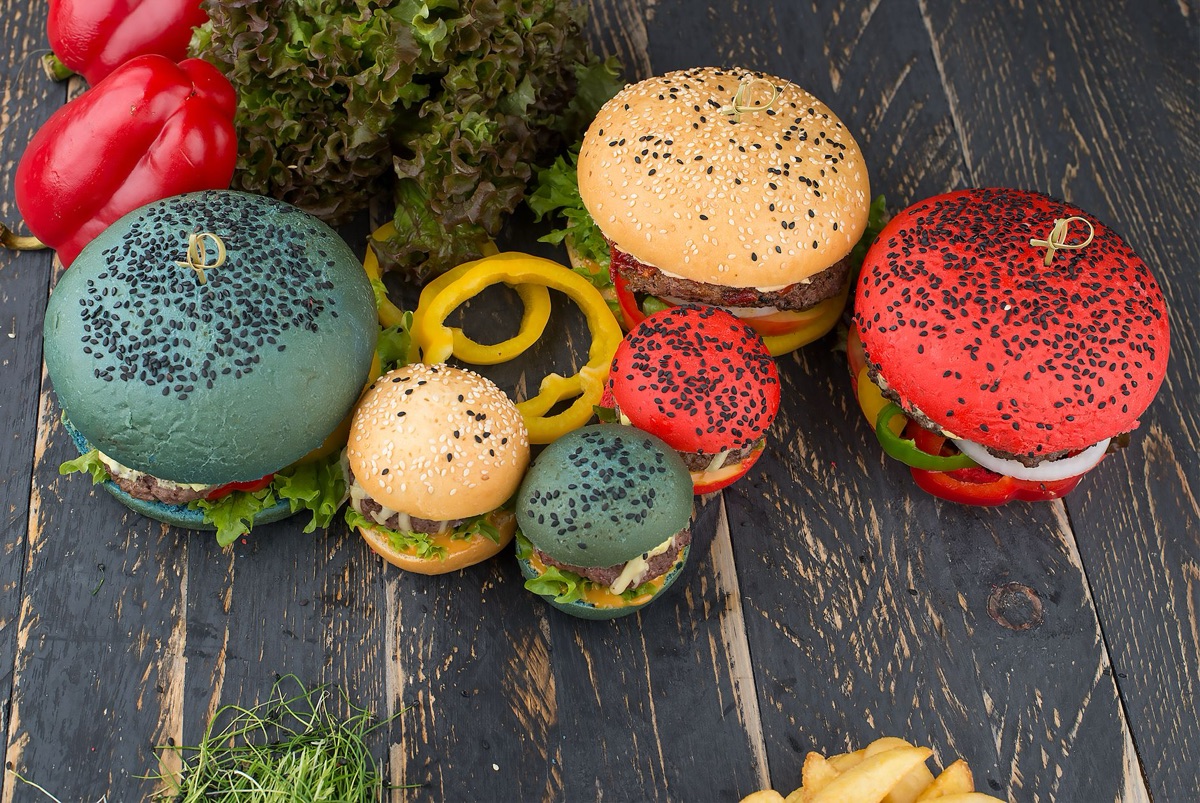
I remember sitting in a crowded, dimly lit burger bar last Tuesday, watching a chef carefully place a single slice of truffle cheese onto a thick, steaming patty. The sound of the spatula scraping the griddle was rhythmic, almost hypnotic.
The modern appeal of the burger lies in its modularity. It is not just about the meat; it is about the infinite ways a consumer can manipulate the components to suit their specific palate.
| Component | Traditional Approach | Modern Gourmet Trend |
|---|---|---|
| The Patty | Standard ground beef | Wagyu, bison, or custom-blend brisket |
| The Bun | Plain white sesame seed | Brioche, pretzel, or fermented sourdough |
| The Cheese | American or Cheddar | Gruyère, blue cheese, or smoked Gouda |
| The Toppings | Lettuce, tomato, onion | Caramelized onions, kimchi, or fried egg |
The "Patty Paradigm" is perhaps the most significant driver of this interest. Consumers are no longer satisfied with generic beef; they look for specific grinds, fat ratios, and seasoning profiles.
This obsession extends to the "Beyond the Bun" elements, where artisanal breads and house-made sauces elevate a simple sandwich into a premium experience. This ability to customize creates a sense of ownership over the meal, which drives repeat business.
The ideal sear on a patty requires a surface temperature of at least 400°F to trigger the Maillard reaction.
A standard gourmet burger often contains 25~35 grams of fat to ensure a juicy mouthfeel.
When I tried a locally sourced wagyu burger, I was surprised by how much the fat content influenced the flavor profile.
However, these high-fat combinations may not satisfy those seeking a lighter, health-focused dining experience.
The question remains: how much of this craving is organic, and how much is engineered?
How much does the fast-food machine influence our habits?
A teenager sits on a park bench, scrolling through a bright phone screen while a colorful advertisement for a new limited-time burger combo flashes before their eyes. The bright colors of the digital ad mimic the bright colors of the packaging in their hand.
The National Restaurant Association forecast that US fast-food restaurant sales would reach $142 billion in 2006.
The burger is the centerpiece of a massive industrial ecosystem that relies heavily on visibility and accessibility. While this has made food more affordable and convenient, it has also raised significant questions about public health and the influence of marketing.
The financial power of this sector is used to shape consumer behavior through aggressive advertising.
In 2012 the fast-food industry spent $4.6 billion to advertise unhealthy products to children and teens according to a report by the Yale Rudd Center for Food Policy & Obesity.
This level of exposure ensures that the burger remains at the forefront of the consumer's mind from a very young age.
Furthermore, the sheer convenience of the burger reflects a society that is constantly on the move.
The industry has mastered the art of the "quick fix," providing high-calorie, high-satisfaction meals that fit into even the most frantic schedules.
Follow these steps to navigate a typical fast-food visit:
- Select a menu item based on your hunger level.
- Check the nutritional label for sodium content.
- Decide whether to add extra toppings like bacon or cheese.
- Complete your purchase at the kiosk or drive-thru.
Yet, as you move from the drive-thru to the local diner, the flavor profile shifts entirely.
Why do burgers taste different in different states?
A traveler pulls over at a small, weathered roadside stand in the Midwest, where the air smells of toasted grain and fresh corn. The menu is handwritten on a chalkboard, listing ingredients that feel deeply tied to the local soil.
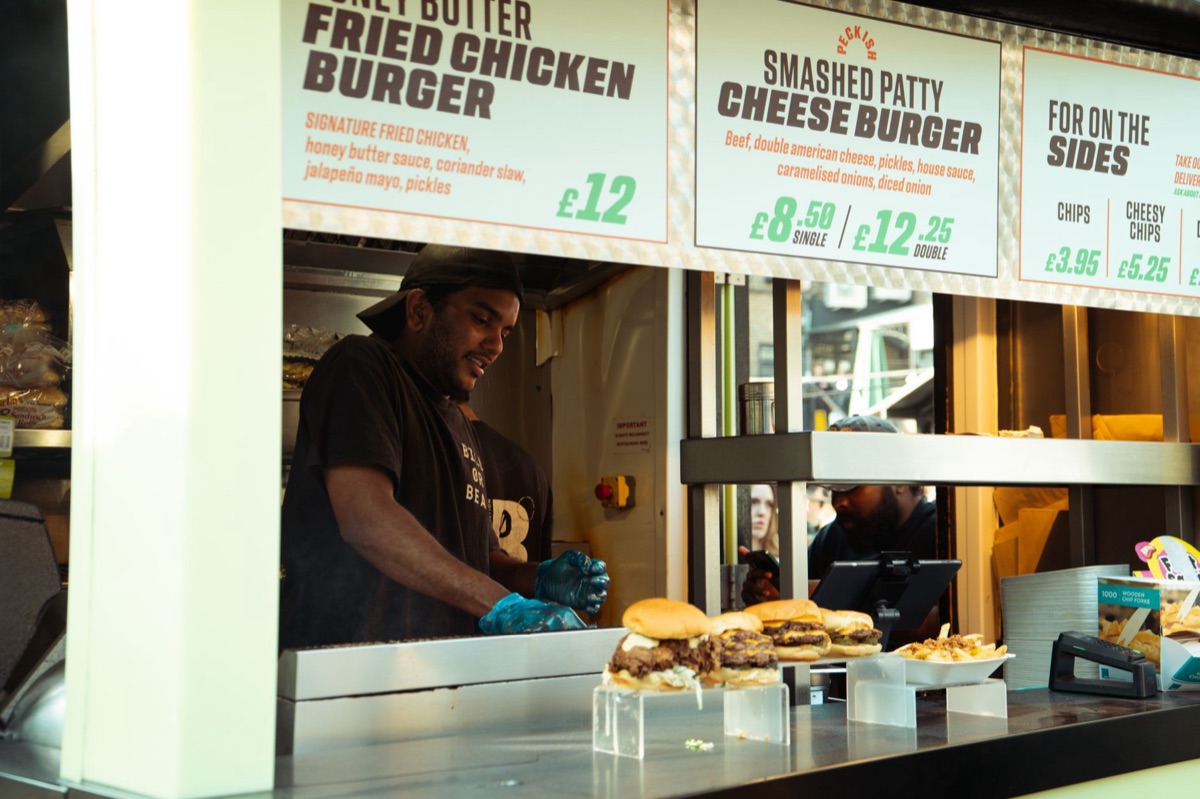
The burger is not a monolith; it is a collection of regional dialects. While a national chain offers a predictable experience, local burger cultures use the sandwich as a way to showcase regional pride and local agriculture.
- The West Coast Influence: Often focuses on lighter, fresher toppings like avocado or sprouts, reflecting a preference for "California-style" freshness.
- The Southern Twist: Frequently incorporates barbecue sauce, pimento cheese, or even fried green tomatoes to lean into local culinary traditions.
- The Midwest Style: Usually emphasizes hearty, heavy ingredients like thick-cut bacon and large portions of cheese, catering to a tradition of "comfort food."
- The East Coast Specialty: Might feature seafood-inspired toppings or premium cheeses sourced from local creameries.
These regional variations allow the burger to remain relevant even as tastes evolve.
A person can travel thousands of miles and still experience a "new" burger, even if the basic structure remains the same.
Regional variations often stem from meat sourcing, with some areas using 80/20 lean-to-fat ratios while others prefer 70/30.
A premium regional burger can cost anywhere from $12 to $25 depending on the local market.
I noticed that burgers in the Midwest often feature heavier, sweeter sauces compared to the minimalist styles in the West Coast.
This regionality is part of a much larger shift in how we perceive food.
How is the burger ecosystem changing?
A group of friends gathers around a reclaimed wood table in a trendy urban loft, sharing a platter of truffle fries and sliders. They aren't just eating; they are documenting the aesthetic arrangement of the food for their social feeds.
According to Diabetes research and clinical practice, the IDF-DAR Diabetes and Ramadan Practical Guidelines 2021 aim to improve the management of diabetes for those who choose to fast.
The burger experience has expanded far beyond the sandwich itself.
It has become an anchor for an entire dining ecosystem that includes specialized side dishes, craft beverage pairings, and curated atmospheres.
The modern trend is the "Gourmet Burger Joint," where the goal is to elevate the burger into a full-scale culinary event.
This involves moving away from the "fast" in fast food and moving toward "fast-casual" or even "fine-dining" burger experiences.
This evolution creates a balance between the tradition of the classic American burger and the experimental nature of modern fusion cuisine.
Whether it is a burger topped with kimchi or one paired with a specific craft stout, the burger has become a vessel for culinary exploration.
The rise of plant-based alternatives has introduced patties that mimic meat using 15~20 different plant proteins.
Many specialty shops now offer limited-edition seasonal burgers for only 2~3 months per year.
A typical artisanal burger takes about 12~15 minutes to prepare from order to table.



Comments 0