Escape the kitchen novice! 5 basic principles to make your
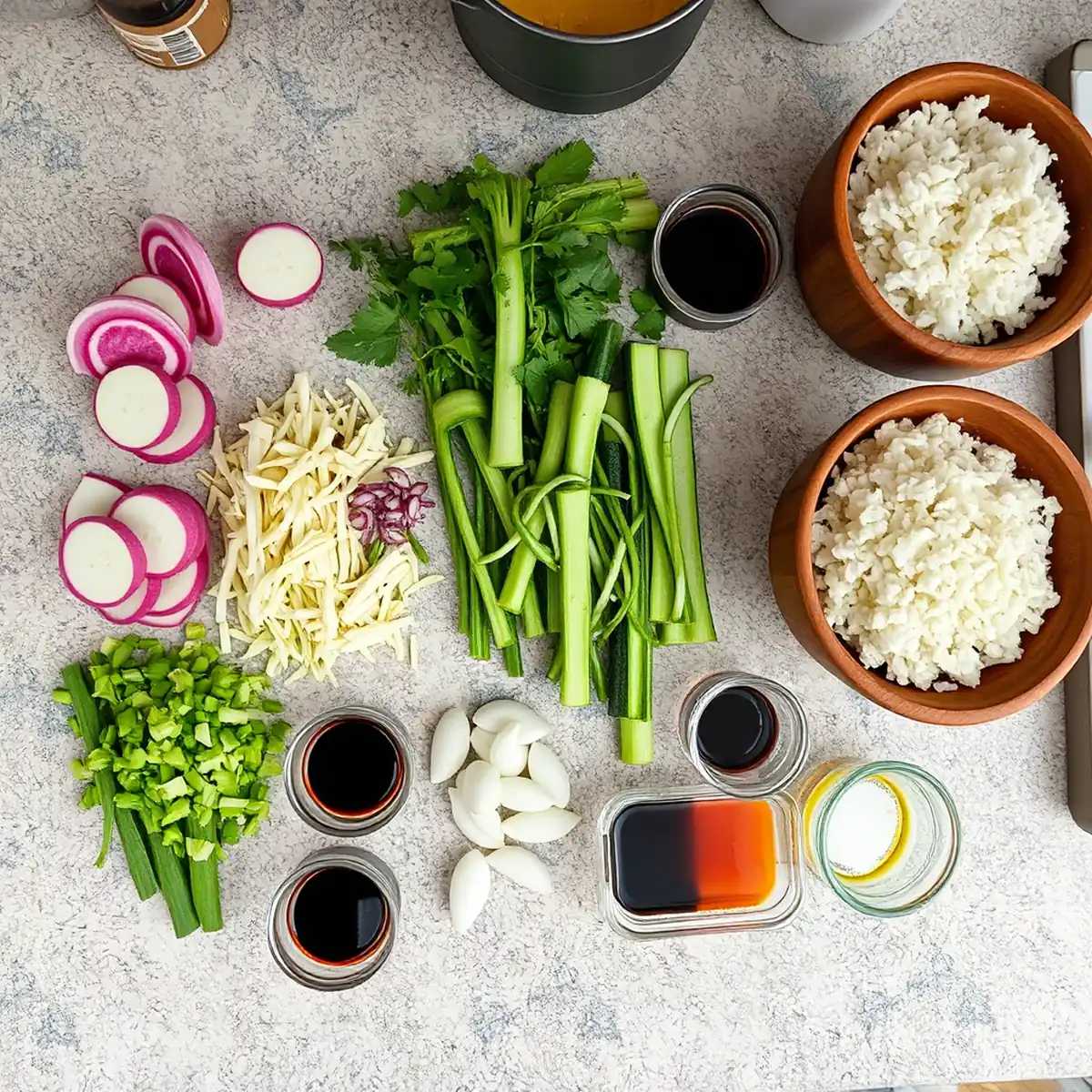
"I followed the recipe exactly, but why doesn't it taste right?" This is a common problem for cooking beginners. In reality, the difference in taste often comes down to a few basic techniques, not elaborate recipes. By mastering these principles, you can significantly improve the quality of your home-cooked meals.
5 Principles for Delicious Home-Cooked Meals
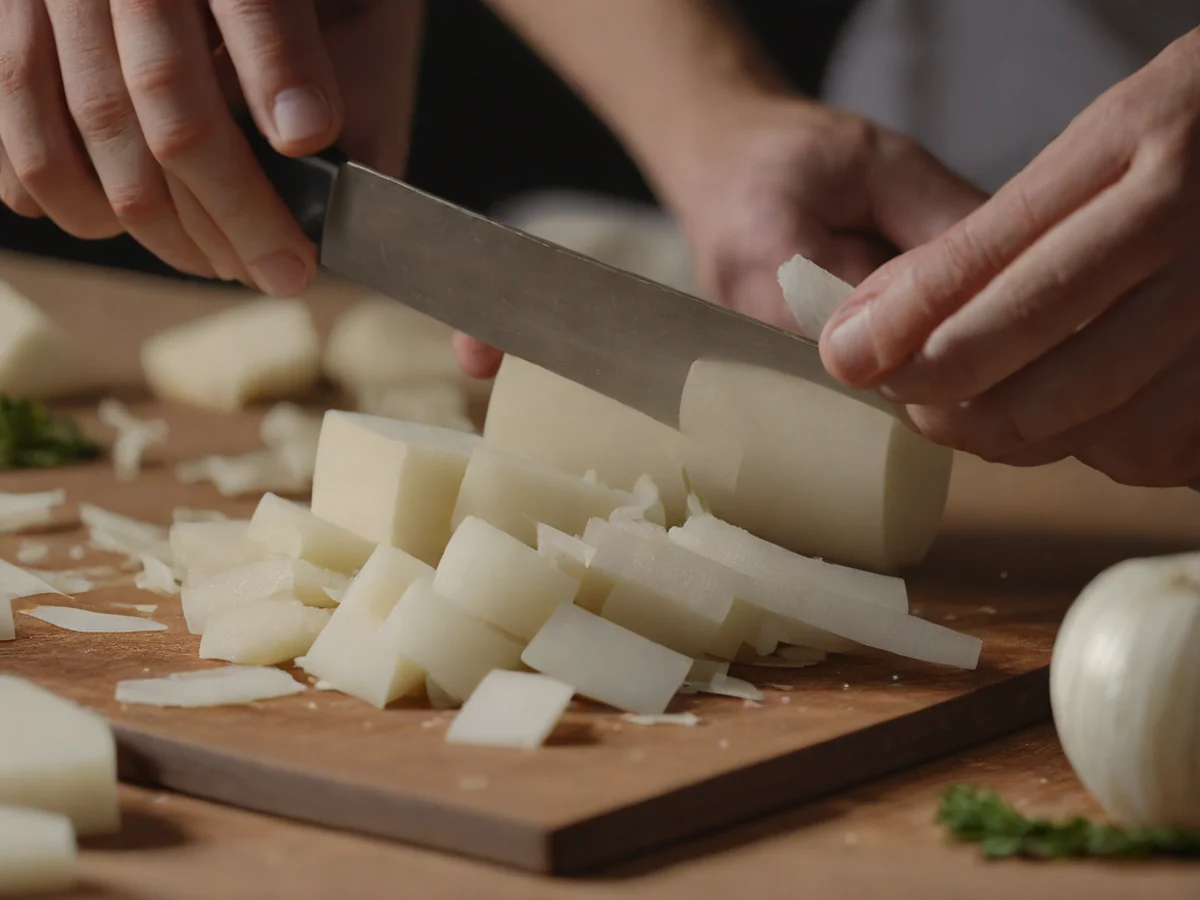
- Ingredient Preparation: Even the same ingredients can have different textures and flavors depending on how they are cut and prepared.
- Heat Control: Whether to stir-fry quickly over high heat or cook slowly over low heat can greatly affect the outcome.
- Seasoning: Seasoning in stages, with an initial seasoning and a final touch, allows the flavors to penetrate deeper and create a richer taste.
- Ingredient Order: Changing the order in which ingredients are added can significantly impact the final dish, especially for those with different cooking times.
- Seasonal Ingredients: Using seasonal ingredients guarantees a certain level of deliciousness, as they are at their peak flavor and nutritional value. They are also often more affordable.
Habits to Reduce Mistakes
At first, follow the recipe precisely, but instead of adding all the seasoning at once, add it gradually and taste as you go. It's difficult to fix a dish that is too salty, but you can always add more seasoning if it's not flavorful enough. Also, using measuring tools will significantly reduce mistakes compared to relying on intuition.
The Golden Ratio for Basic Seasonings
Knowing the ratios of basic seasonings like soy sauce, sugar, vinegar, and chili powder will allow you to adapt many Korean dishes. Having a few go-to sauces that are tailored to your taste will make cooking much easier. For example, the basic ratio for a soy sauce-based seasoning is soy sauce, sugar, minced garlic, and sesame oil. You can easily transform this into a spicy seasoning by adding chili powder or a tangy dressing by adding vinegar. Write down the ratio and adjust it slightly each time you make it, and soon you're sure to develop your own unique "flavor."
Common Mistakes for Beginners
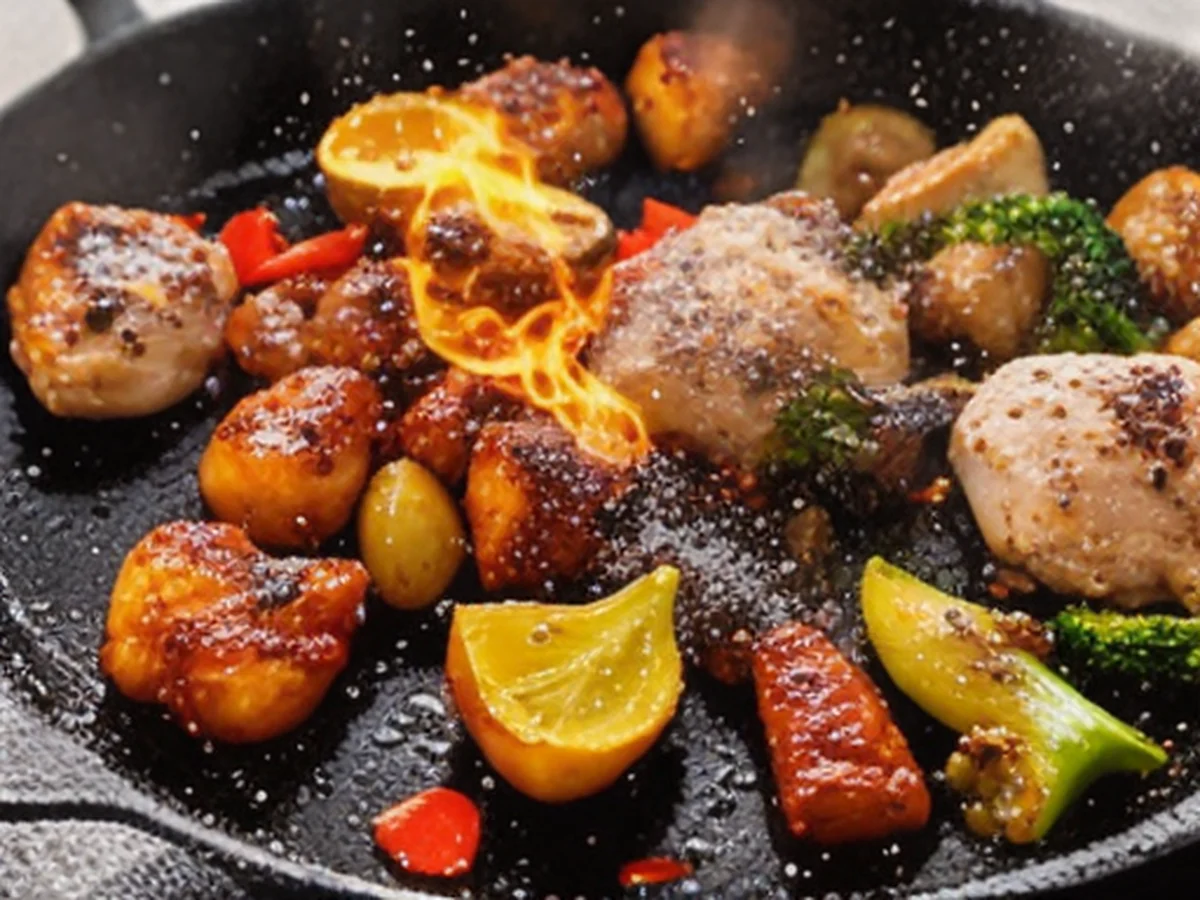
- Preheating: Adding ingredients to a pan that isn't hot enough will cause them to stick and release water. Add the ingredients when you see a faint wisp of steam rising from the oil.
- Removing Moisture: Not wiping vegetables or meat dry will result in a steamed dish instead of a stir-fry.
- Resting Time: Don't cut grilled meat immediately; let it rest for a few minutes to allow the juices to redistribute.
Summary at a Glance
- Follow the recipe precisely, but add seasoning gradually.
- Use the appropriate heat for the dish, and preheat the pan properly.
- Start with seasonal ingredients and create your own seasoning ratios.
You don't have to be perfect from the beginning. Even if you focus on just one of these principles while cooking, after a few weeks, you'll find that your hands start to move instinctively. The fastest way to improve is to make the same dish multiple times and remember what you changed from one time to the next.
Cooking is a skill that improves with "principles," not just innate "talent." Anyone can learn to cook well.
Olfud provides content for all your culinary needs, from recipes to restaurant recommendations, ingredients, and meal kits, bringing you the joy of eating.
Quick Comparison
| Aspect | Item A | Item B |
|---|---|---|
| Ingredient Preparation | Thickness and trimming method directly affect texture and flavor | Same ingredients can yield entirely different results based on preparation technique |
| Heat Control | High heat enables quick stir-frying; low heat ensures slow, even cooking — affecting final outcome | Heat intensity and control determine overall dish quality |
| Seasoning Separation | Separate seasoning for pre-salting and final adjustment ensures deep, even flavor penetration | Single-seasoning application often results in uneven taste |
| Ingredient Order | Simply adjusting the order based on cooking time significantly impacts final quality | The combination and sequence of ingredients determine success or failure |
| Seasonal Ingredients | Fresh seasonal produce naturally delivers superior taste and nutrition | A fundamental factor for flavor, even when not expensive |




Comments 0