Seasonal Japanese home cooking: Art of seasonal cooking tips
"The essence of a meal lies not just in the ingredients, but in the rhythm of the seasons they represent."
Understanding seasonal Japanese home cooking requires an appreciation for natural cycles and the preservation of taste. This guide explores how traditional ingredients reflect the changing environment, offering insights into the art of seasonal cooking and the aesthetics of simple meals.
We will look at the deep culture in cuisine through the lens of seasonal availability, while noting that specific nutritional outcomes depend on individual dietary needs.
How does seasonal Japanese home cooking honor nature?
At dawn in the misty garden, she plucks a dew-covered leaf to bring the essence of seasonal greenery into her kitchen.
Japanese cuisine was added to the UNESCO Intangible Heritage List.
A chef carefully selects a ripe persimmon from a wooden crate, feeling its texture against the palm. This practice of selecting ingredients based on the time of year is a cornerstone of seasonal Japanese home cooking.
By utilizing what is fresh, cooks tap into the inherent flavors provided by the earth at specific moments.
According to Wikipedia, Japanese cuisine was added to the UNESCO Intangible Heritage List in 2013. This recognition highlights how culinary traditions are deeply tied to cultural identity and seasonal shifts.
The art of seasonal cooking ensures that every dish tells a story of the current month or season.
The local ingredients daily serve as a bridge between the land and the dining table. Using these items ensures that the meal remains in harmony with the environment. This connection fosters a profound respect for the natural world through every bite.
- Observe the subtle changes in local produce.
- Select ingredients at their peak ripeness.
- Incorporate seasonal greenery to bring the outdoors inside.
What are the characteristics of preserving summer bounty?
A gardener gathers sun-ripened fruits as the heat of the afternoon settles over the fields. Preserving summer bounty often involves techniques that capture the peak flavors of warmer months for later enjoyment.
This allows families to maintain a connection to the summer season even as the weather turns.
The taste of the season is often most intense during these peak periods. Through drying or pickling, the intensity of summer can be held in a jar or a dried slice. This method of preservation is a vital part of maintaining a balanced diet throughout the year.
One can observe how much energy is stored in these seasonal items. For instance, dried Japanese persimmons contain 274kcal and 14.5g of dietary fiber per 100g, according to USDA FoodData Central.
This high energy density makes them a practical way to store summer sweetness for the colder months ahead.
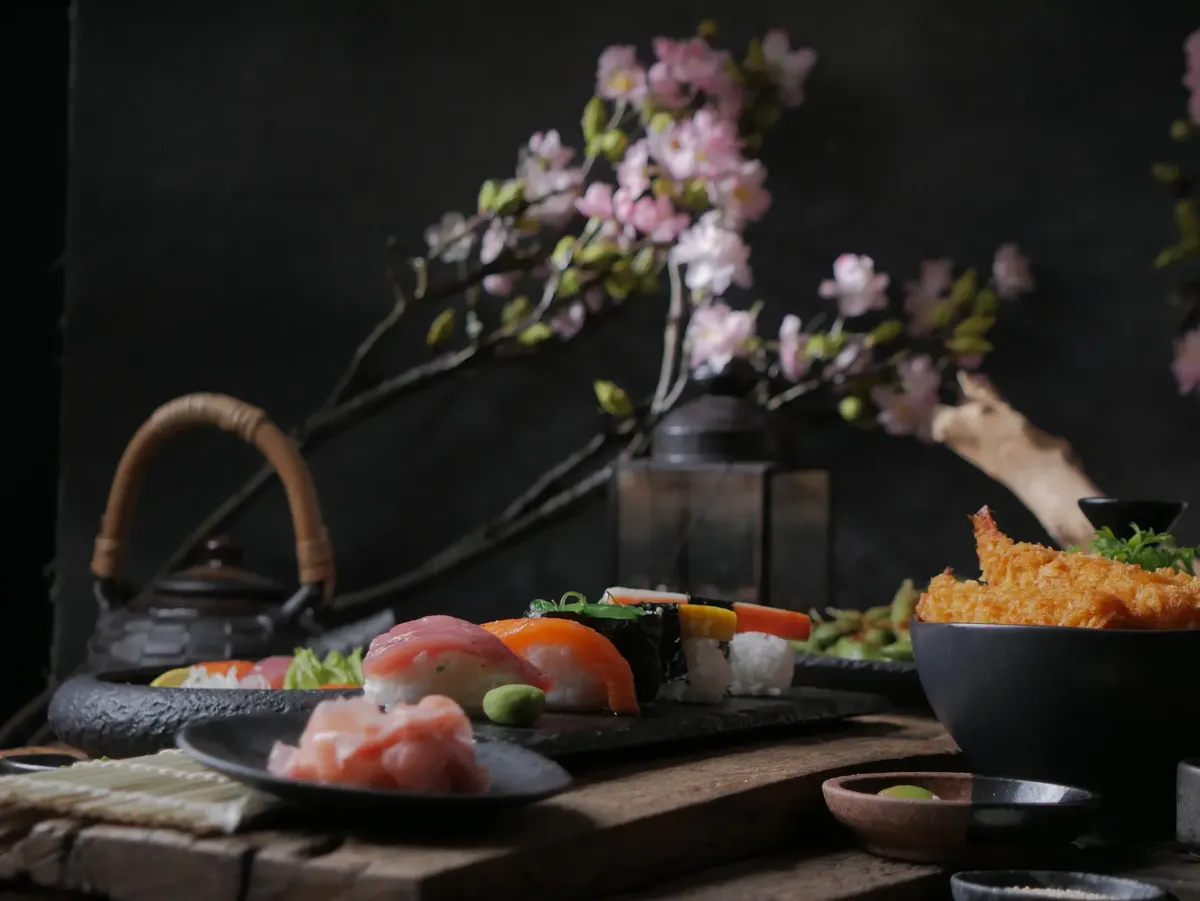
In this sequence, the second step is the most extensive.
Can we find the aesthetics of simple meals in everyday ingredients?
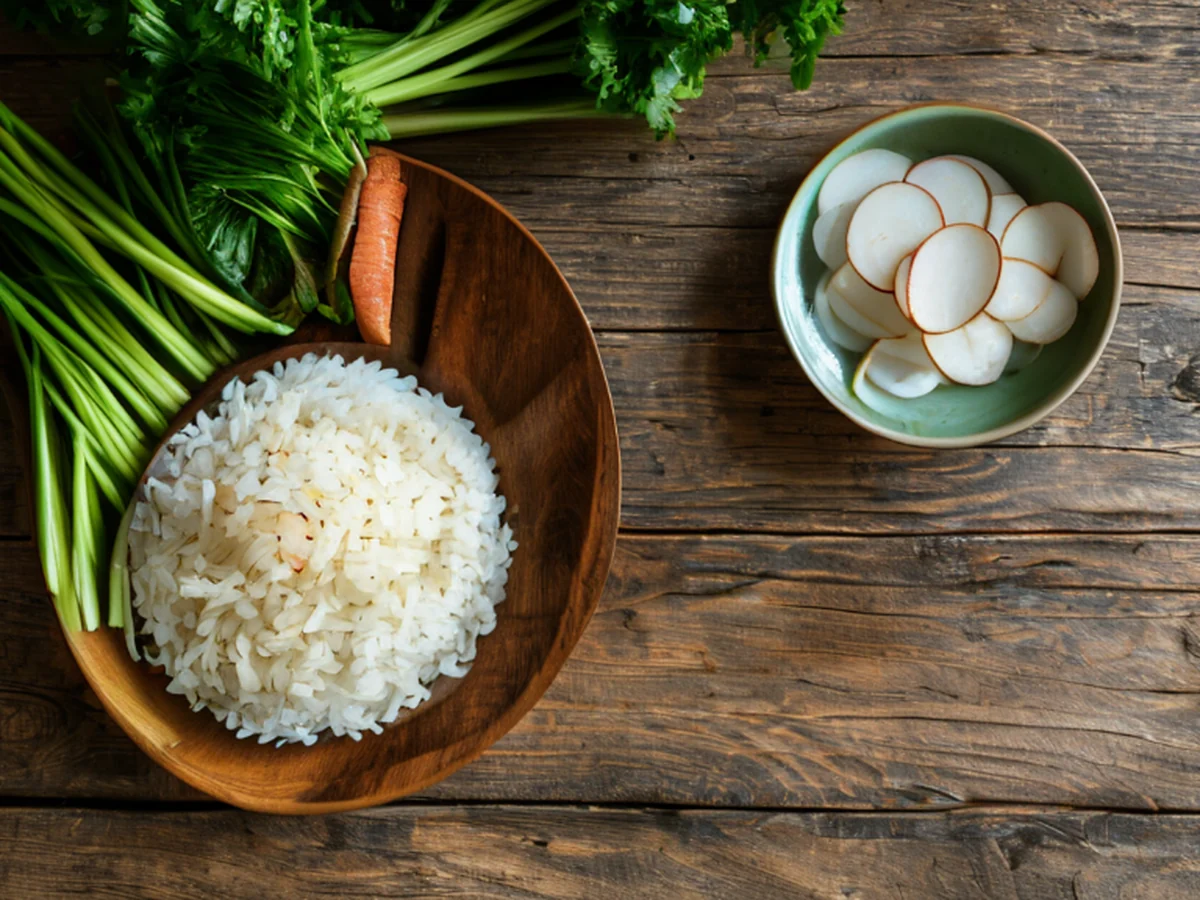
At sunset in the dim kitchen, he gently arranges a single radish on a ceramic plate, feeling the cool smooth surface of the seasonal garnish.
A quiet kitchen holds the scent of dried fruit as someone prepares a light snack. The aesthetics of simple meals often focus on the minimal intervention required to let a single ingredient shine. This approach emphasizes quality and the natural beauty of the food itself.
The deep culture in cuisine is often found in these moments of simplicity. Rather than complex sauces, the focus remains on the texture and natural sweetness of the produce. This philosophy encourages a mindful way of eating that celebrates the present moment.
The way a single fruit is sliced or presented can change the entire dining experience. It is not about excess, but about the careful selection of the best available items. This simplicity is a hallmark of traditional domestic life in Japan.
How do we manage seasonal transitions in the kitchen?
A person stands in a kitchen, transitioning from summer fruits to autumn vegetables. Managing these transitions involves adjusting preparation methods to suit the changing characteristics of food. For example, moving from fresh to dried goods requires a shift in how they are integrated into meals.
To manage these transitions, follow these three steps:
- Evaluate the ripeness and moisture content of the current seasonal harvest. 2. Apply preservation methods such as drying or pickling to extend the ingredient's life. 3. Integrate preserved items into new recipes to balance the changing flavors of the season.
A final check involves tasting the prepared food to ensure the seasonal essence is preserved. I remember how the texture of a dried persimmon changes significantly compared to its raw version when used in a recipe.
The following table compares the nutritional data of Japanese persimmons based on their state:
| Component (per 100g) | Raw Persimmon | Dried Persimmon |
|---|---|---|
| Calories | 293kj | 1150kj |
| Dietary Fiber | 3.6g | 14.5g |
What are the limitations of seasonal eating?
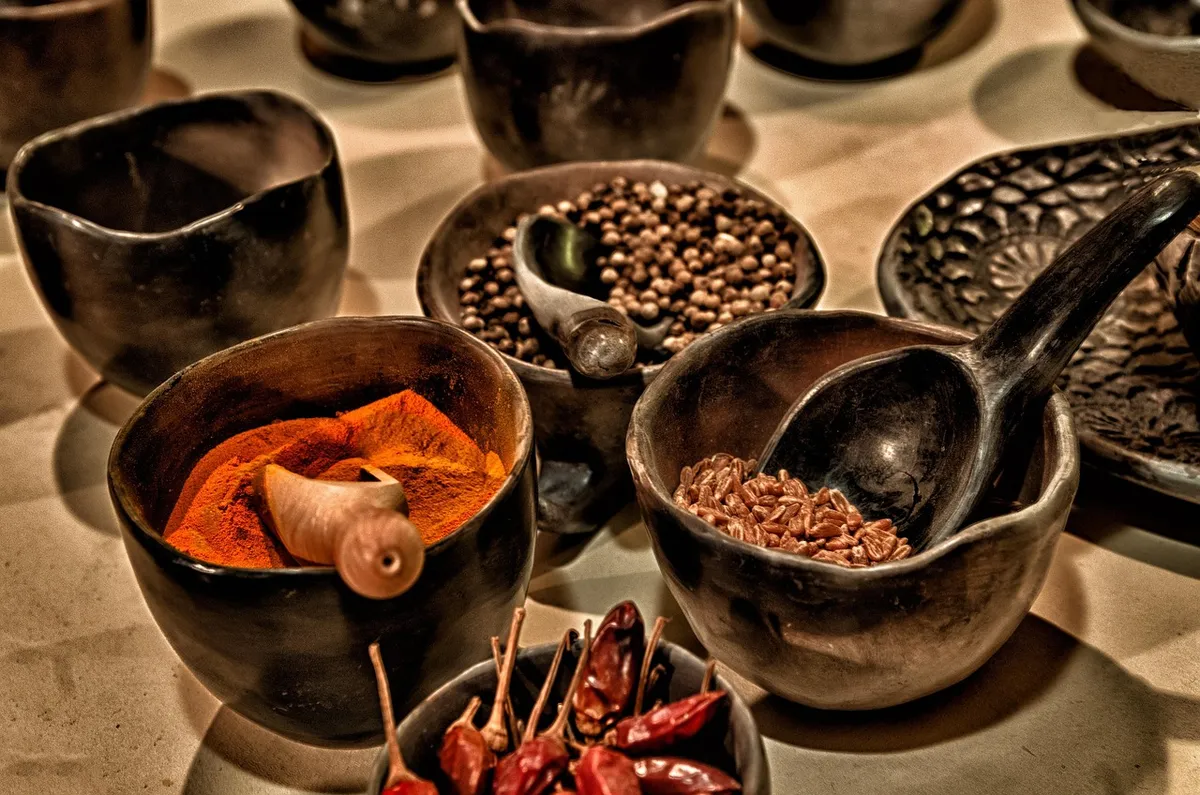
A shopper looks at a shelf, realizing that certain items are only available for a few weeks. While seasonal eating is beneficial, it is limited by the specific availability of crops in certain regions or during certain months. This means that a menu cannot always remain static throughout the year.
One limitation is that certain highly seasonal items may not be available in all parts of Japan at the same time due to regional climate differences. For example, the specific sugars in a fruit may vary based on the local soil and weather.
This variability means that the "perfect" seasonal meal is a moving target.
The same subject is also called Winter vegetable wisdom.
Related
- Spanish Tapas Regional Flavors: A Guide to Local Styles
- Persian food culture exploration: History of Persian flavors
How does the concept of the meal reflect the season?
The essence of a meal mirrors the current season because the ingredients themselves carry the imprint of the time of year. This deep connection between the food and the environment is what elevates a simple gathering into a cultural experience.
The meal becomes a tangible record of the natural ebb and flow experienced outdoors.
This reflection is achieved by honoring the peak availability of produce. When cooks select ingredients at their zenith, they are not merely choosing food; they are selecting a specific moment in the annual cycle. The resulting meal captures the vitality of that particular time.
Thus, the meal serves as a narrative device, allowing the diner to experience the season through taste. The ingredients, in their freshest state, speak volumes about the earth's bounty at that precise juncture.




Comments 0