Korean food identity: Best practices for modern kitchens
"The identity of a cuisine is not merely found in a single recipe, but in the enduring connection between its history and the way it sustains a community."
Korean food identity relies on a deep-rooted connection to tradition and the sustainable management of resources. This guide explores how these culinary roots shape a global presence and how the culture manages its food lifecycle.
Key takeaways include an understanding of nutritional profiles, the history of resourcefulness, and the modern shift toward high recycling efficiency.
How does Korean food identity manifest in modern kitchens?

In a sleek urban kitchen, the chef stirs a bubbling pot of spicy korean stew while the pungent scent of fermented garlic fills the air.
A chef carefully measures fermented pastes and fresh vegetables to capture an authentic Korean taste. The essence of the cuisine lies in the balance of flavors and the historical necessity of preservation.
The roots of this cuisine are deeply tied to seasonal availability and the development of fermentation techniques. These methods were originally designed to manage food supplies throughout the year, creating a unique flavor profile that defines the culture.
This K food roots tradition ensures that every meal tells a story of survival and ingenuity.
The transition from traditional preservation to global popularity shows how much the culinary landscape has shifted. While the core ingredients remain consistent, the way they are presented to the world has evolved.
This K wave food power demonstrates that traditional flavors can adapt to modern palates without losing their essential character.
However, the preservation of traditional identity may be limited when fusion techniques prioritize visual aesthetics over flavor profiles.
What are the nutritional components of common staples?
A person sits at a wooden table, examining a bowl of oats and a breakfast biscuit to plan a balanced meal. Understanding the energy provided by different food groups is essential for maintaining a healthy lifestyle.
Comparing different food types helps in understanding how they contribute to daily energy needs. For instance, oats provide a significant amount of fiber and protein. According to USDA FoodData Central, 100g of oats contains 10.6g of dietary fiber, 16.9g of protein, and 389kcal of energy.
A biscuit offers a different nutritional profile compared to whole grains. According to USDA FoodData Central, 100g of a fast food biscuit contains 42.8g of carbohydrates and 7.08g of protein, providing 370kcal. These figures allow for better meal planning when managing caloric intake.
| Food Item (per 100g) | Carbohydrates | Protein |
|---|---|---|
| Oats | 66.3g | 16.9g |
| Fast food, biscuit | 42.8g | 7.08g |
I noticed how much the carbohydrate density changes when switching between a grain-heavy breakfast and a processed biscuit.
This section provides a breakdown of essential nutrients found in traditional ingredients.
How did resource management shape the food culture?
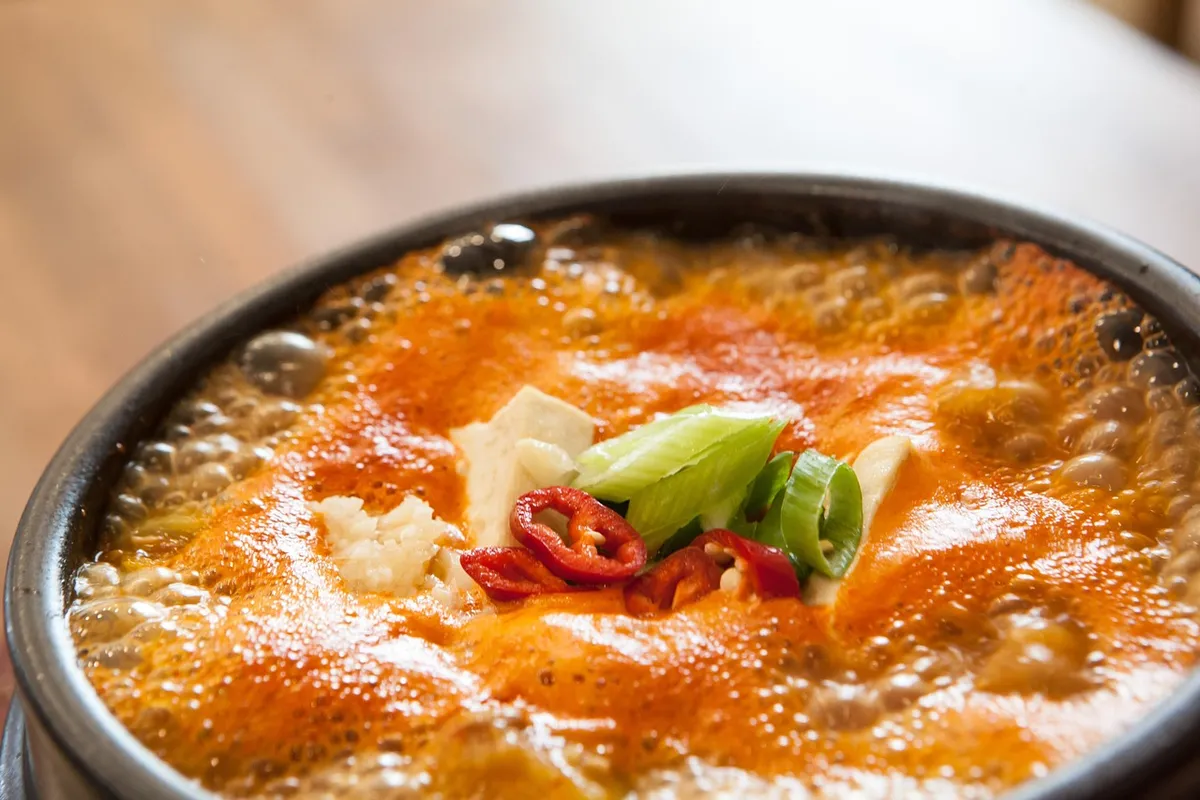
In the cold winter air, an elder reaches into a stone cellar to pull out a jar of preserved korean kimchi.
A farmer looks over a field, thinking about how every part of the harvest must be used to prevent waste. Historically, nothing was discarded, leading to a culture of complete utilization.
The history of the region is marked by a necessity to use every available resource. This careful management of ingredients led to the creation of diverse side dishes and fermentation methods. Such practices ensured that the food culture link remained strong even during lean seasons.
Modern sustainability efforts often mirror these historical values of efficiency. By managing waste effectively, the culture maintains its ability to support a growing population. An authentic Korean taste is often a result of these clever methods used to preserve nutrients and flavors.
The historical context remains relevant, though its direct application to modern industrial farming is limited.
What are the modern standards for food waste management?
A worker at a recycling facility monitors the flow of organic matter being processed into new resources. Efficient systems are necessary to handle the volume of waste generated by urban populations.
The management of organic waste has seen massive improvements through technological advancement. In South Korea, the food waste recycling rate grew to 95%. This high efficiency demonstrates a commitment to circular resource management.
Beyond organic waste, other categories of waste are also managed through specific targets. For example, certain electronic waste, such as televisions or computers, has specific recycling goals set between 55-70% in relation to its weight.
This systematic approach helps mitigate the environmental impact of modern consumption.
- Identify surplus ingredients.
- Implement portion control measures.
- Utilize composting or repurposing techniques.
How can we maintain an authentic Korean taste globally?
A traveler tries a new fusion dish, looking for the familiar scent of garlic and ginger. Maintaining the integrity of the cuisine while expanding its reach is a delicate balance.
To preserve the core identity, cooks often follow specific steps to ensure quality:
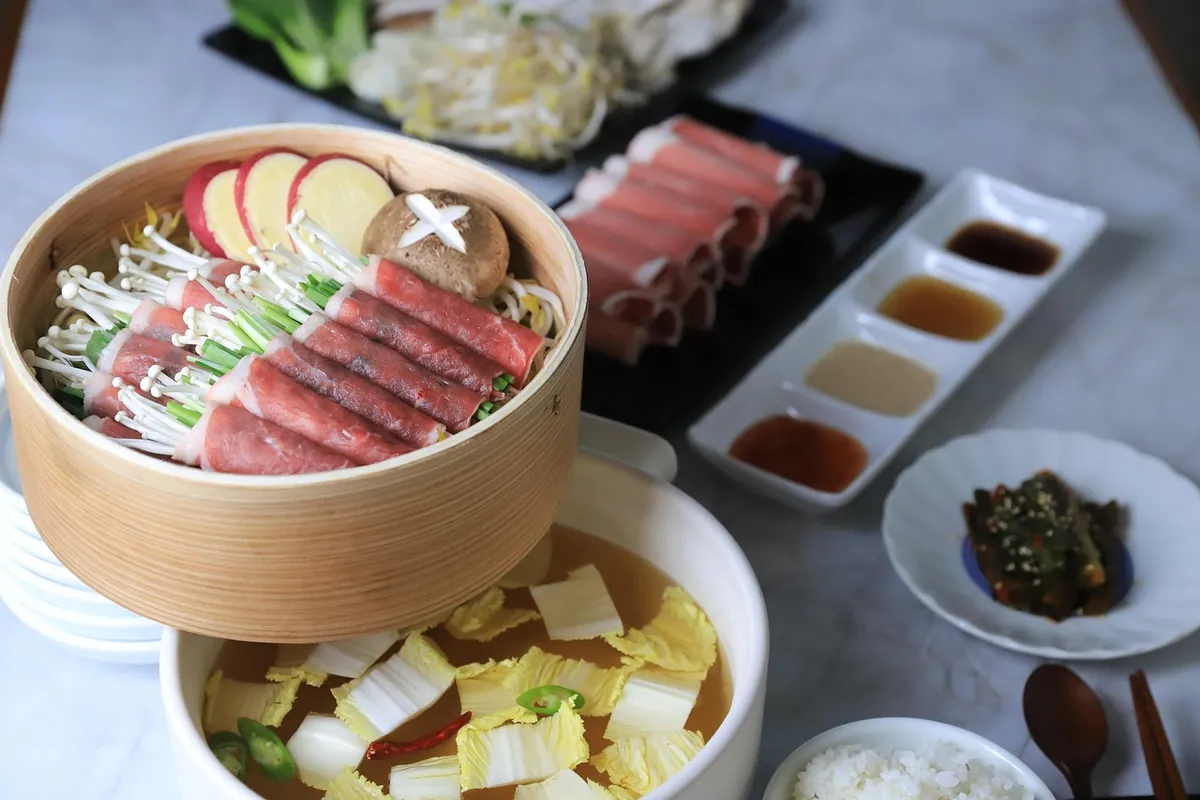
- Source high-quality fermented ingredients like gochujang or doenjang. 2. Maintain the balance of acidity, salt, and spice in every dish. 3. Use traditional fermentation vessels or techniques where possible. 4. Final check: Ensure the seasonal essence of the ingredients is respected.
The global food journey of this cuisine is often driven by its unique ability to provide both comfort and complexity. As it spreads, the challenge remains to keep the soul of the food intact. This ensures that the global food journey remains meaningful for both locals and newcomers.
I find that the third point regarding ingredient sourcing is the most critical.
The subject here is Korean food identity.
The same subject is also called Korean cuisine role.
The same subject is also called Taste of Korea.
Related






Comments 0