Korean food China trend: Guide to cultural influence
"The influence of culture through flavor is expanding rapidly across borders, creating a new culinary landscape in the East."
The rise of Korean food in the Chinese market is driven by shifting economic landscapes and the massive global influence of Korean cultural content. This trend reflects a combination of increased consumer purchasing power and a deep-seated interest in the lifestyle presented through media.
Key takeaways: * Economic growth in China provides a robust market for international food brands. * Cultural trends, particularly K-pop, act as a catalyst for culinary interest. * The expansion of unique flavors meets the demands of a diversifying consumer base.
Why is Korean food China trend growing?
At sunset in a crowded Beijing market, I bite into a spicy dish and feel the heat of the growing Korean food China trend on my tongue.
A bustling street in Beijing hums with the sounds of sizzling pans and the aroma of spicy fermented vegetables. This Korean food China trend is fueled by the intersection of economic stability and cultural fascination.
According to the International Monetary Fund, China recorded real GDP growth of 4.5% in 2026. This economic backdrop suggests an expanding middle class with more disposable income to spend on diverse dining experiences.
As wealth grows, the appetite for international flavors often follows a similar trajectory.
The momentum of this trend is not just about economics but also about the digital footprint of Korean culture. The Korean wave provides a visual and sensory roadmap that makes these flavors accessible to millions of young consumers.
The surge is driven by the seamless integration of Korean culinary culture into the daily lives of young consumers.
How does the Korean wave China influence dining?
A young person in Shanghai scrolls through a smartphone, watching a music video before heading to a nearby restaurant. This Korean wave China influence turns digital popularity into physical appetite.
The connection between music and food is increasingly visible in how trends move through social media. When artists embrace specific dishes, those items often see a surge in popularity among global fans. This cultural bridge makes the dining experience feel like an extension of a shared lifestyle.

The Korean taste China popularity is deeply intertwined with this media presence. Consumers are not just buying a meal; they are participating in a global cultural movement.
The cultural wave has transformed dining from simple nourishment into a shared social experience centered around media-driven trends.
According to World Bank, the 2025 record includes 5.0%.
What is the Korean taste China appeal?
A group of friends gathers around a table, sharing various small plates and colorful side dishes. This Korean taste China appeal lies in the unique balance of spicy, sweet, and savory profiles.
The variety of textures and the communal style of eating offer a social experience that resonates with many. It provides a distinct alternative to traditional local dishes while remaining accessible to a wide range of palates.
The Asian food boom China is seeing is partly due to these distinctive flavor profiles. People are drawn to the novelty and the specific sensory experiences that these dishes provide.
The unique balance of spicy, sweet, and savory flavors provides a sensory novelty that resonates with local palates.
According to International Monetary Fund, the 2026 record includes 4.5%.
How does the Asian food boom China manifest?
A shopping mall food court features a bright stall with Korean signage, attracting a constant stream of customers. This Asian food boom China reflects the broader regional movement toward diverse and trendy dining options.
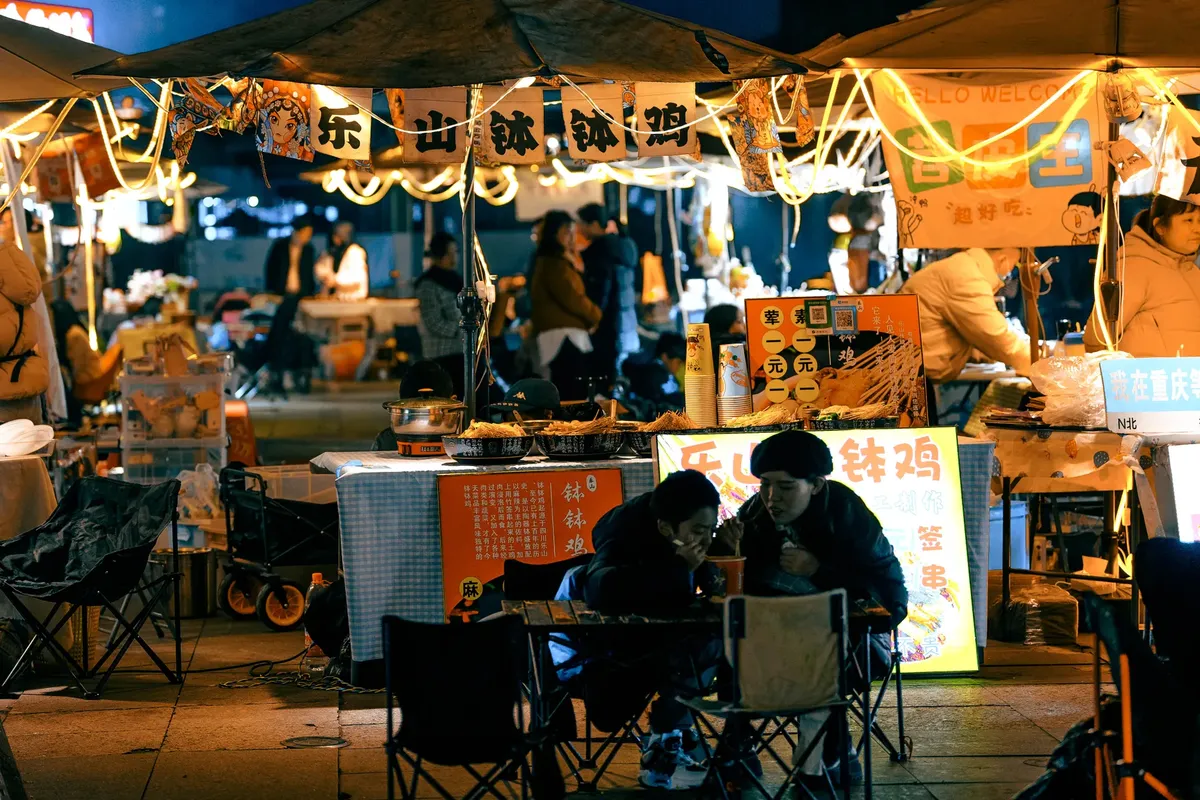
The expansion of Korean food brands into major metropolitan areas demonstrates a strategic move to capture the growing market. These businesses often adapt their menus to meet local preferences while maintaining their core identity.
The Korean origin appeal is a significant factor in this rapid expansion. Consumers are curious about the authentic roots of these popular dishes, driving interest in traditional cooking methods.
The boom manifests through several key shifts: 1. Increased availability of authentic ingredients in urban supermarkets. 2. The rapid expansion of specialized Korean franchises. 3. A rise in home-cooking kits featuring traditional sauces.
How is the Korean origin appeal understood?
A chef carefully prepares a batch of kimchi, ensuring the fermentation process is just right. This Korean origin appeal stems from a desire to experience authentic traditional flavors in a modern setting.
Understanding the history and the careful preparation behind these foods adds a layer of depth to the dining experience. It transforms a simple meal into a journey of discovery for the consumer.
The popularity of these foods is often linked to the perceived authenticity of the ingredients and techniques. This connection to tradition provides a sense of quality and uniqueness.
I find that the second point in the previous list is the most significant.
What are the limitations of this trend?
A local vendor looks at the influx of international food stalls, noting the changing landscape of the neighborhood. While the growth is significant, it is not without its challenges.

The expansion of international food brands can be limited by local competition and changing regulatory environments. Fluctuations in economic growth can also impact the spending power of the target demographic.
The success of these brands depends on their ability to navigate local market nuances. This trend remains subject to the shifting economic and cultural dynamics of the region.
Potential limitations include the risk of cultural dilution and the volatility of trend-driven consumer loyalty.
World Bank Based on the retained excerpt mentioning World Bank: According to World Bank data, China recorded GDP growth of 5.0% in 2025.
Related
- Modern African food roots: Why tastes evolve with migration
- Evolution of Korean Tteokbokki: Why Modern Styles?
How does the culture influence the market?
The culture influence extends beyond mere taste preferences; it encompasses a lifestyle aspiration that resonates globally. The media portrayal of Korean life offers a compelling narrative that attracts young consumers.
This lifestyle narrative, driven by digital media, translates directly into dining choices.
- The cultural content provides a visual and sensory roadmap for these flavors. 2. This roadmap makes the flavors accessible to a vast audience base. 3. The influence suggests that dining becomes an act of participating in a broader cultural movement.
What is the role of the influence on the future?
The influence suggests that this culinary trend is poised for continued evolution within the Chinese market. The initial adoption driven by novelty may evolve into sustained integration into local dining habits. The market's openness allows for this deep integration to occur.
- The initial attraction to unique flavors drives the early adoption phase. 2. Sustained presence requires the brands to navigate local market nuances successfully. 3. This adaptation allows the trend to move beyond novelty and achieve deeper market penetration.





Comments 0