Elegant soju at home: Pairing ideas for a refined evening
"The art of the pour is more than just a drink; it is a ritual of balance and flavor."
To master elegant soju at home, one must understand the distinction between traditional distillation and modern flavored varieties, focusing on temperature and pairing.
This guide covers the nuances of different alcohol contents, the history of the distillation process, and the nutritional considerations of flavored options.
Key takeaways include understanding the ABV range, recognizing the sugar content in fruit-flavored varieties, and mastering the traditional boiling process.
How do I select the right bottle for my home bar?
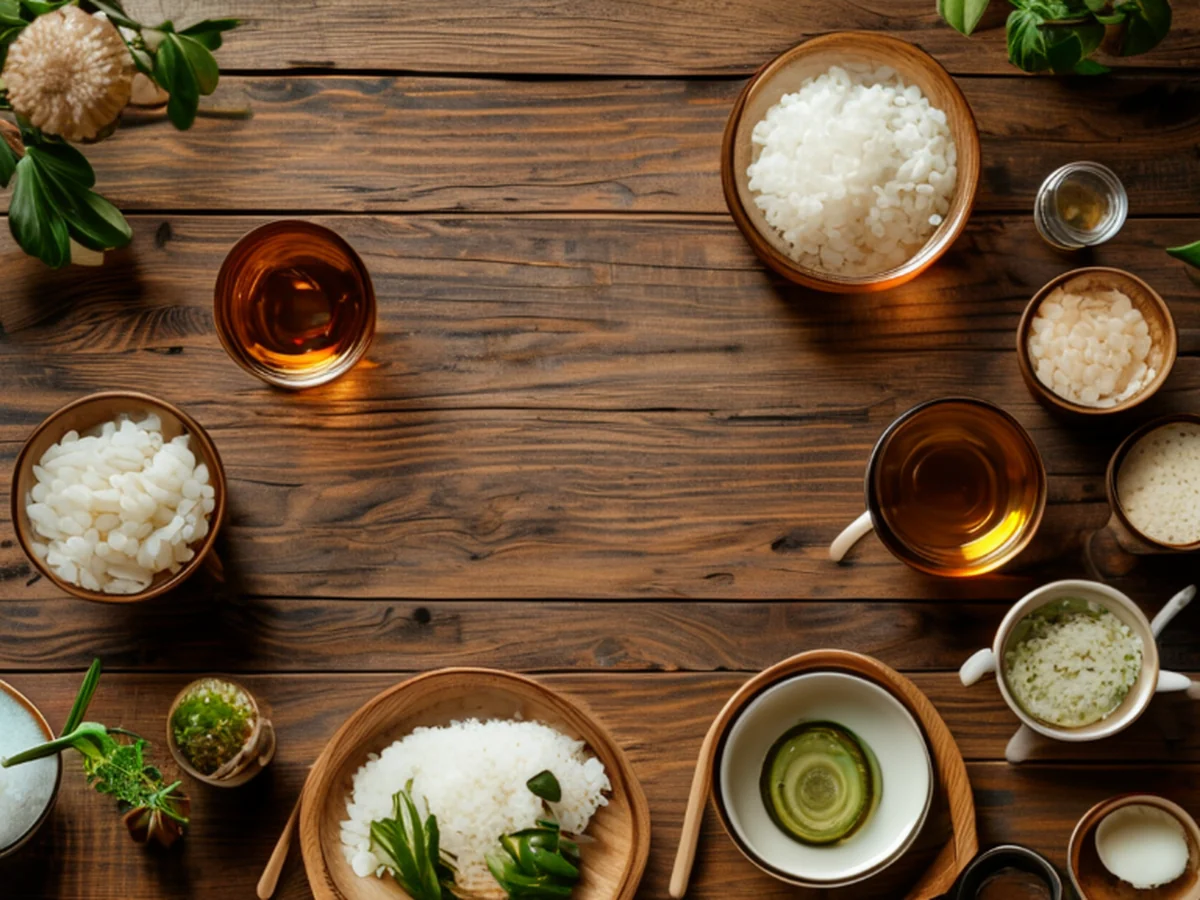
At dusk in the dim kitchen, I run my fingers over the smooth glass of an elegant bottle to judge its weight.
A hand reaches for a clear glass bottle on a wooden shelf, feeling the cool weight of the liquid inside. Selecting the right spirit requires understanding that alcohol content varies significantly, ranging from approximately 12.5% to 53% ABV.
Since 2007, low alcohol soju (below 20%) has become the most common type, making it a staple for casual social settings.
Choosing a bottle depends on whether you seek the strength of traditional spirits or the lighter profile of modern blends. For a sophisticated home drinking experience, one might opt for a higher ABV distilled version to appreciate the pure rice wine notes.
Conversely, lighter versions are easier to manage for relaxed evenings.
Consider the aesthetic of your glassware and the flavor profile you wish to highlight.
What makes traditional distillation so unique? Elegant soju at home
Steam rises from a large metal vessel as water boils, carrying the essence of fermented grain through a complex apparatus. The rice wine used for distilled soju is usually fermented for about 15 days.
The distillation process involves boiling the filtered, mature rice wine in a sot, which is a cauldron topped with a soju gori, a two-story distilling appliance with a pipe.
This traditional method produces a much higher quality of spirit compared to mass-produced flavored versions. The process captures the delicate aromas of the fermented base, creating a refined profile. Understanding this craftsmanship helps in appreciating the depth of a well-made spirit.
The process relies on natural fermentation and careful temperature control to preserve delicate aromas.
Is fruit-flavored soju good enough for a refined evening? A bright, colorful bottle sits on a table, catching the light with its vibrant hue. While fruit-flavored varieties are popular, they differ significantly from traditional distilled spirits.
Reports show fruit-flavored exports of US$91.59 million in 2023, accounting for 28.1% of South Korea’s total alcohol exports. In 2024, this had risen to US$96 million, with fruity products making up 48.1% of soju exports by flavor.
These flavored options often prioritize sweetness over the complex notes of grain. While they offer a different kind of enjoyment, they are distinct from the pure spirit experience. Recognizing these trends helps in choosing the right bottle for the specific mood of the evening.
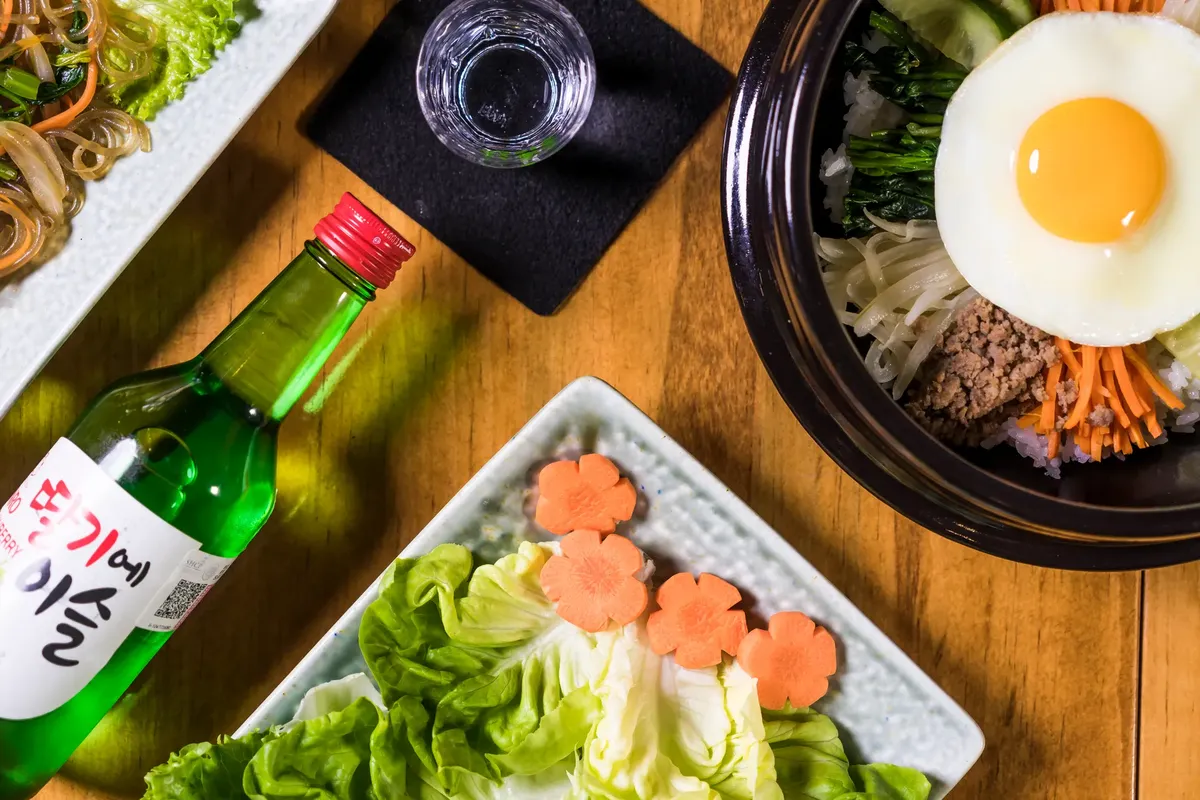
While flavorful, these options are often more casual than premium spirits.
How much sugar and calories are in flavored bottles?
A person pours a bright liquid into a glass, noting the slight viscosity of the sweet mixture. If you are focusing on an elevated soju experience, you must be mindful of the nutritional profile of flavored varieties.
According to USDA FoodData Central, home-prepared falafel contains 1390kj of energy per 100g.
Fruit soju contains large amounts of sugar, with each bottle containing 32.4 grams (1.14 oz).
The caloric impact is also notable for those tracking their intake. The calorie content of each bottle of fruit soju totals 400 kcal; this is more calories than one bowl of rice and 5 g (0.18 oz) more sugar than a serving of Coke.
Understanding these figures allows for better-informed decisions during a tasting session.
Flavored varieties typically contain higher sugar content than their original counterparts.
What are the steps to a perfect pour?
A glass is placed carefully on a coaster before the liquid begins to flow. To enjoy an elegant soju at home, follow these three steps:
- Select a glass that complements the ABV; use smaller, sturdier glassware for higher proof spirits to control the aroma. 2. Pour at a controlled rate to manage the aeration of the spirit, especially if using traditional distilled versions. 3. Serve at the appropriate temperature, noting that higher ABV spirits often benefit from slightly warmer temperatures to release aromatics, while flavored versions are best chilled.
I once practiced these steps with a high-proof distilled bottle, noticing how the aroma changed as the liquid settled. A final check of the pour ensures the volume is consistent and the glass is clean.
- Select the appropriate glassware for the spirit.
- Pour slowly to avoid excessive aeration.
- Fill the glass to the designated level.
- In this sequence, the second step is the longest.
Can I pair food with different types of soju?
A small plate of savory snacks is placed next to a half-filled glass. Pairing ideas for soju often involve balancing the intensity of the spirit with the richness of the food. Because traditional distilled soju can be quite strong, it pairs well with savory, oily, or salty dishes.
| Spirit Type | Characteristic | Best Use Case |
|---|---|---|
| Traditional Distilled | High ABV, pure grain notes | Slow sipping and aromatic appreciation |
| Fruit-Flavored | High sugar, sweet profile | Casual social drinking and refreshing serves |
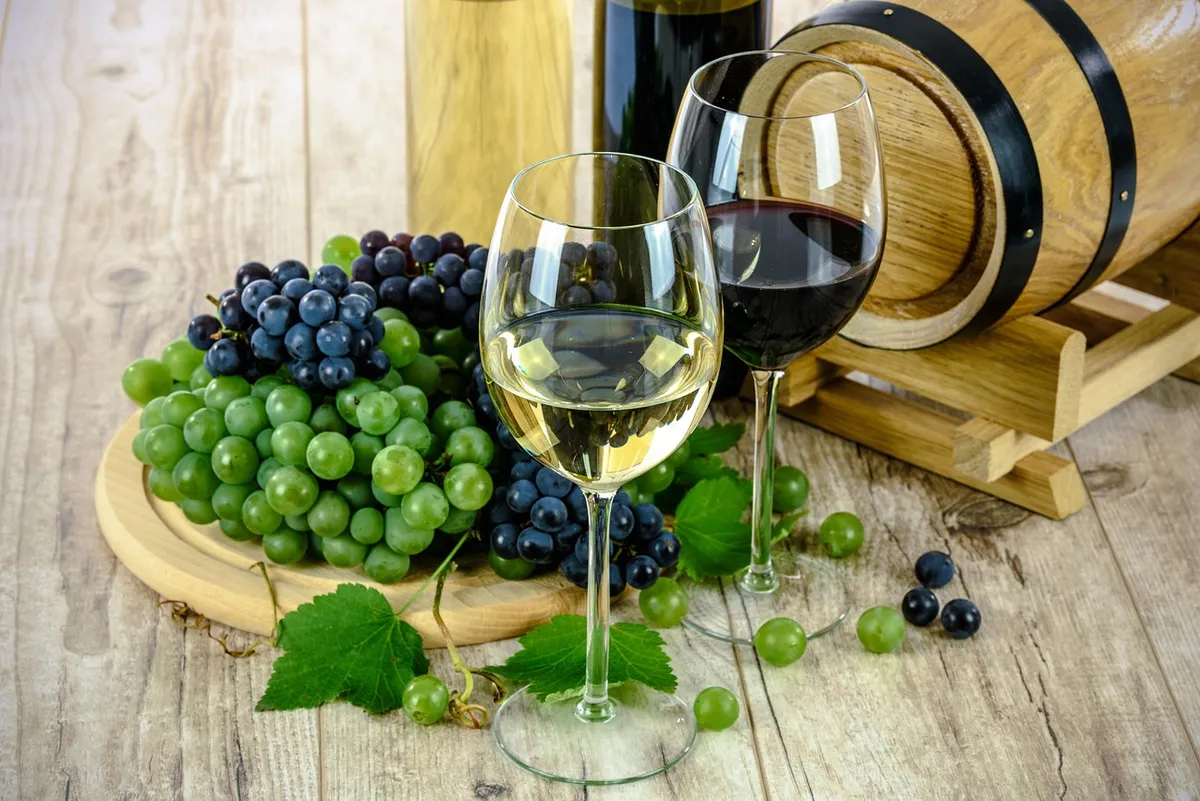
I find that using the table as a guide helps me decide which bottle to open based on the meal prepared. A slow sipping soju art approach is better suited for the higher ABV, distilled varieties.
Light, fruity flavors pair well with spicy dishes, while cleaner spirits complement savory meals.
The same subject is also called Fine soju tasting guide.
The same subject is also called Tasteful soju ritual.
This part also covers Glassware matters for soju.
Pairing ideas for soju
Related
- Escape the kitchen novice! 5 basic principles to make your
- Kfood sesame oil boost: Guide to industry growth
Does the pour enhance the overall drink ritual?
The pour itself becomes part of the overall drink ritual when one appreciates the nuances of the liquid being poured. For the traditional distilled soju, the pouring action allows the drinker to engage with the spirit's profile as it enters the glass.
Conversely, when dealing with the fruit-flavored soju, the pour contributes to the visual aspect of the drink ritual, reflecting its brighter composition.
This attention to the pour bridges the gap between merely consuming a beverage and participating in a deliberate, sensory experience. The pour signals the transition from raw ingredient to finished drink ritual.
Understanding the pour's role elevates the simple act of drinking to a complex, balanced ritual.


Comments 0