Master 4 Pasta Sauce Profiles to Perfect Your Home Meals
From heavy cream to light olive oil, discover how to navigate the vast spectrum of pasta to find your perfect culinary match.
Understanding the relationship between the shape of the noodle and the viscosity of the sauce is the first step toward a perfect meal. By categorizing pasta into flavor profiles—ranging from bright tomato-based sauces to rich cream-based ones—you can master the art of the pairing.
This guide also explores how modern nutritional additions, like fiber and polyphenols, are changing the way we select our grains.
Key Takeaways * Understand the fundamental relationship between pasta shape (dried vs. fresh) and sauce viscosity. * Categorize pasta by flavor profiles: Tomato-based, Cream-based, Oil/Butter-based, and Pesto/Vegetable-based.
* Learn how nutritional profiles, such as fiber and polyphenols, influence modern pasta selection. * Master the balance of texture (al dente) and ingredient pairing to elevate home cooking.

How do we categorize pasta by flavor and texture?
The steam rises from a boiling pot in a dim kitchen, the scent of semolina filling the air as a wooden spoon stirs a swirling vortex of water. You reach for a box of long, thin spaghetti, thinking of a light garlic oil, but the heavy jar of meat sauce on the counter suggests something much thicker.
The distinction between long and short pasta is the foundation of Italian culinary logic. Long pastas, such as Spaghetti, Linguine, or Fettremmoline, are designed for oil-based or thin, emulsified sauces that coat the strands without weighing them down.
In contrast, short pastas like Penne, Fusilli, or Rigatoni are the workhorses for chunky, meat-heavy, or vegetable-laden sauces.
Surface texture plays a massive role in the eating experience. Ridged surfaces, such as those found on Penne Rigate, are engineered to "trap" sauce within the grooves, while smooth surfaces allow the pasta to slide through the mouth with less resistance.
This creates a "Weight" scale for the diner: Light (Agliolio) → Medium (Tomato/Vongole) → Heavy (Carbonara/Bolognese).
Regardless of the shape, the universal standard for quality is "al dente." This translates to "to the tooth," meaning the pasta should have a slight resistance when bitten, providing a firm structure that prevents the meal from becoming a mushy, heavy mass.
What are the characteristics of the four major sauce categories?
A chef stands at a workstation, slicing bright red tomatoes while a bowl of creamy whites sits waiting nearby. The colors of the ingredients dictate the entire mood of the meal.
The first category is Red/Tomato-Based. These sauces offer high acidity and bright, sharp flavors, often elevated by aromatic herbs like basil or oregano. Because they are often thinner than cream sauces, they pair beautifully with various shapes, from thin capellini to sturdy fusilli.
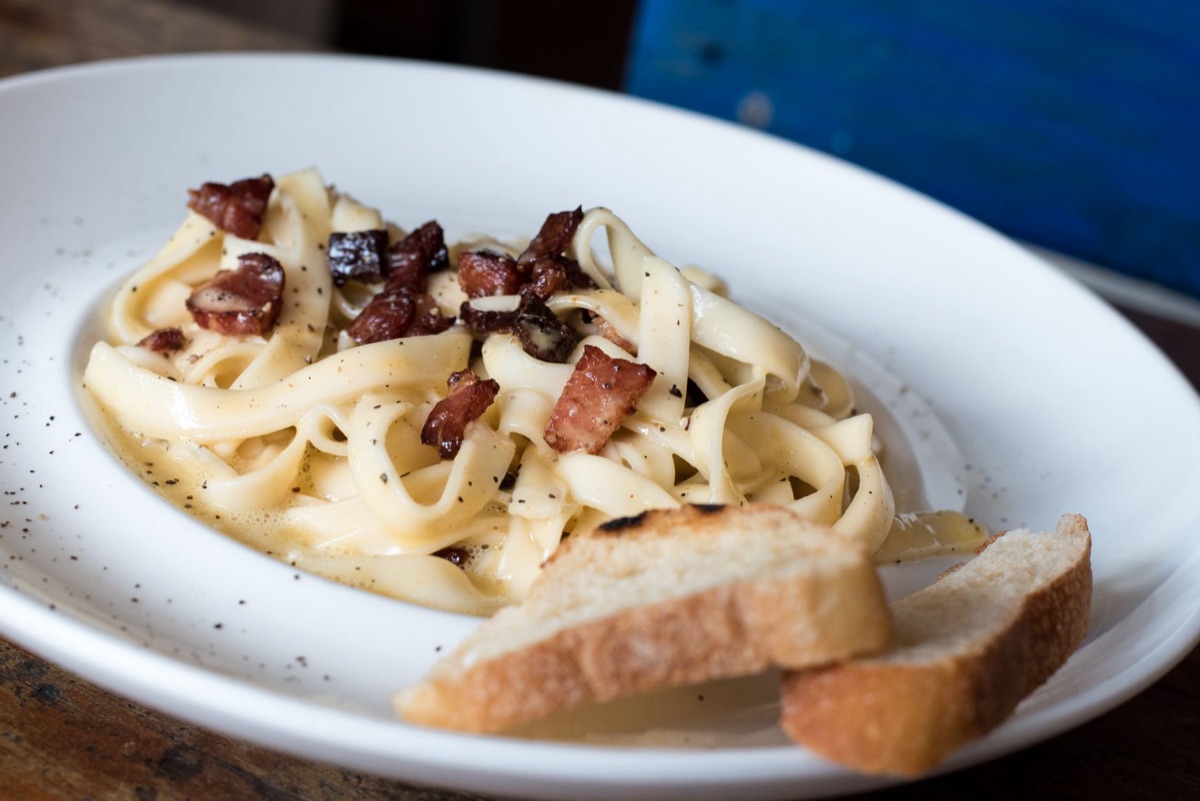
The second is White/Cream-Based. These are rich, heavy, and fat-driven profiles, such as a traditional Carbonara or an Alfredo. Because these sauces are thick, they require specific starch-water emulsification to prevent the fats from separating and becoming greasy.
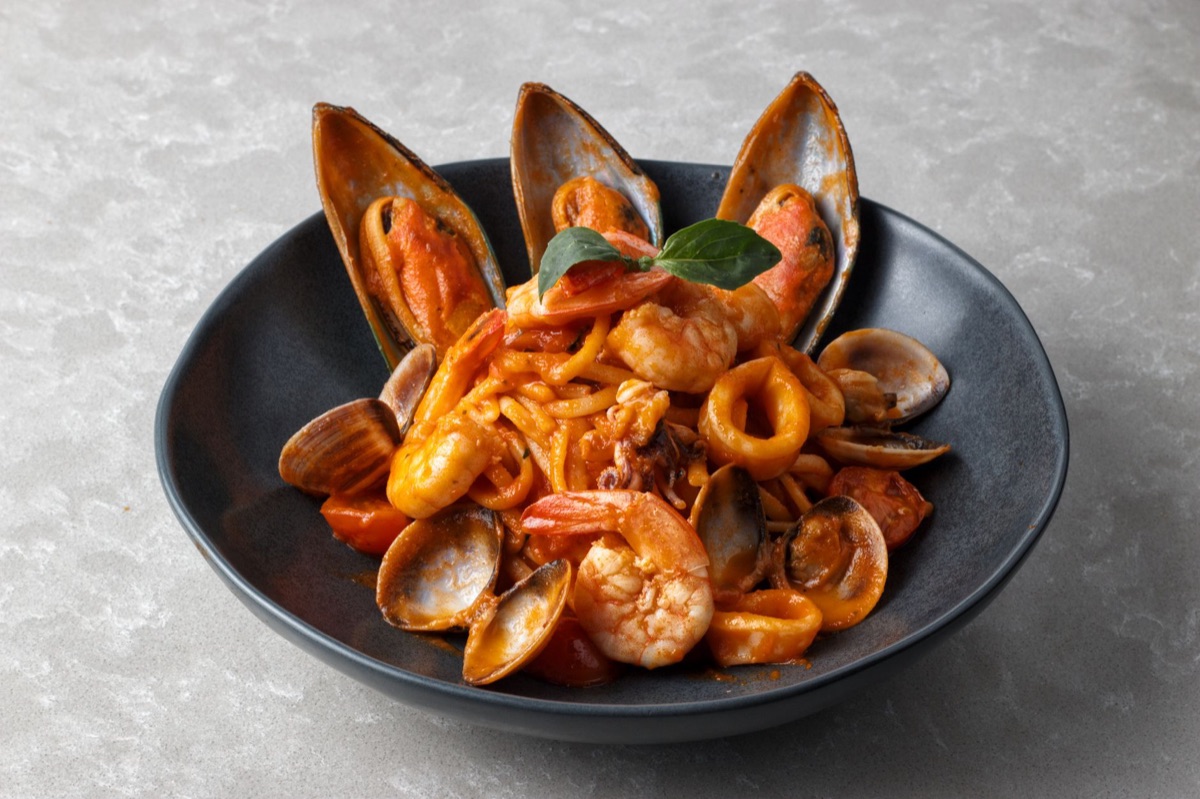
The third is Oil/Butter-Based. This is the minimalist approach, highlighting the quality of extra virgin olive oil or the infusion of garlic and seafood. These delicate sauces demand smooth, thin noodles that don't overwhelm the subtle flavors.
Finally, there are Green/Pesto/Vegetable-Based sauces. These are fresh, aromatic, and earthy. Because they often rely on delicate herbs and fresh produce, they are frequently paired with soft, fresh pasta to complement the vibrant, living flavors.
How does the type of pasta affect its nutritional value?
Walking through a modern grocery aisle, the colorful packaging of "functional" pastas catches the eye, promising more than just carbohydrates. The labels promise health benefits that go beyond simple energy.
The shift toward functional ingredients is changing the composition of the noodle. Modern food science allows for the integration of health-boosting elements directly into the dough.
According to the journal *Foods (Basel, Switzerland)*, the addition of apple pomace to pasta results in increased levels of pro-health compounds: total polyphenols, phenolic acids, quercetin derivatives, flavon-3-ols, and dihydrochalcones as well as dietary fibre.
The psychological aspect of choice also plays a role in how we select our meals. While we look for nutrients, the way those nutrients are communicated matters.
According to the journal *Nutrients*, the message about vitamin benefits had a ly 7.4% higher probability of selecting that pasta than the no-message condition and 6.0% higher than the fiber message condition.
This suggests that while we crave health, the way we perceive the "benefit" influences our plate.
| Pasta Category | Primary Flavor Profile | Best Shape Match |
|---|---|---|
| Tomato-Based | Acidic / Bright | Spaghetti, Fusilli, Penne |
| Cream-Based | Rich / Heavy | Fettuccine, Rigatoni |
| Oil/Butter-Based | Light / Aromatic | Linguine, Capellini |
| Pesto/Veg-Based | Fresh / Earthy | Trofie, Fusilli |
What are the classic recipes and modern variations?
In a small Roman trattoria, the sound of a metal spatula hitting a pan echoes against the walls. The chef carefully folds egg yolks into pasta, avoiding the temptation to reach for the cream.
The Roman Classics represent the gold standard of traditionalism. Consider the tension between Carbonara (using egg and guanciale) and Amatriciana (using tomato and guanciale). These recipes rely on the emulsion of fat and starch rather than heavy additives.
The Italian-American Evolution has introduced a different dimension. This often involves the rise of heavy cream-based sauces, which can diverge from traditional olive oil methods.
For example, a traditional Carbonara uses no cream, relying solely on the emulsion of eggs and cheese, whereas modern fusion variations might add cream or mushrooms to alter the texture.
To master these at home, follow this logical sequence: 1. Boil a large pot of water. 2. Salt the water heavily until it tastes like the sea. 3. Cook the pasta according to the package, but aim for slightly underdone. 4.
Finish the cooking process in the pan with the sauce and a splash of reserved pasta water.
How do you choose the right pasta for your mood and ingredients?
The decision is made at the table: do you want a meal that lingers or one that refreshes? The choice between a wide ribbon and a small tube can change the entire culinary experience.
The "Chunky vs. Smooth" rule is essential. If you are serving a heavy, slow-cooked ragù, wide noodles like Pappardelle are the perfect vehicle. If you are making a light, citrusy sauce, thin noodles like Capellini allow the delicate flavors to shine.
The "Hole and Ridge" rule provides further guidance. Using hollow shapes like Penne or Rigatoni is the best way to capture thick, meat-heavy, or chunky vegetable sauces. The sauce gets trapped inside the pasta, ensuring every bite is balanced.
Finally, consider the season. Light, citrusy, and herb-forward pastas are the ideal choice for summer. Rich, cheese-heavy, or truffle-infused pastas are better suited for the cold, comforting needs of winter.
| Feature | Long Pasta (Spaghetti/Linguine) | Short Pasta (Penne/Fusilli) |
|---|---|---|
| Sauce Type | Light, oil, or thin cream | Chunky, meat, or thick veggie |
| Texture | Smooth, elegant mouthfeel | Substantial, chewy bite |
| Visual | Elegant, swirling shapes | Structured, organized shapes |


Comments 0