How does the history of African diet shape modern flavors?
"The preservation of culinary traditions requires a delicate balance between honoring ancestral roots and embracing the inevitable shifts of a changing world."
Modernizing old recipes often involves bridging the gap between historical authenticity and contemporary tastes. This evolution explores how traditional African food undergoes transformation through global influence and changing lifestyles, serving as a guide for both chefs and historians.
Key takeaways include the influence of international heritage recognition, the role of cultural monuments, and the practical shifts in ingredient usage.
How does the history of African diet shape modern flavors?
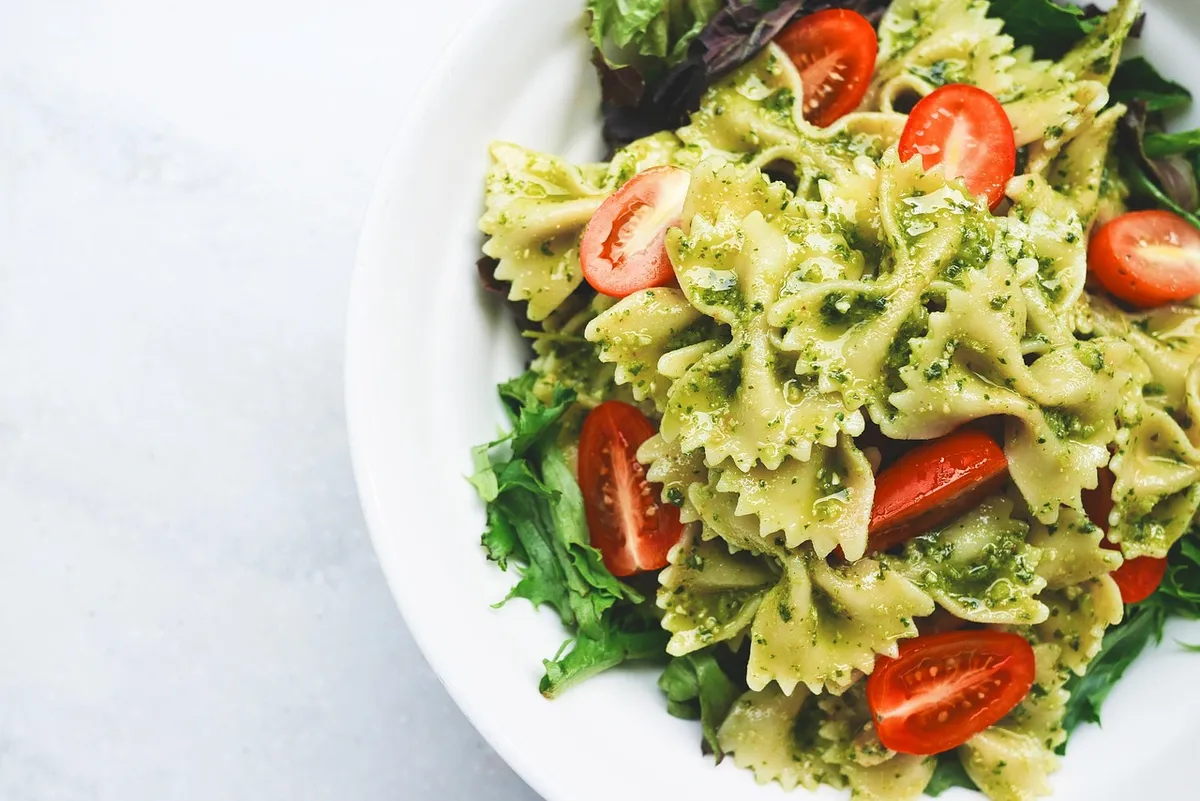
At dusk in the sunlit kitchen, the chef stirs a heavy pot to see how the ancient spices does transform the aroma.
A chef stands in a sunlit kitchen, whisking spices into a traditional base to see how much of the original character remains. Understanding the history of African diet provides the foundation for any modern culinary innovation.
Traditional flavors often rely on specific regional grains, tubers, and legumes that have sustained populations for centuries.
The evolution of these flavors is not a departure from the past but a continuation of survival and social ritual. As global trade expanded, new ingredients were integrated into local staples, creating the complex profiles seen in many modern kitchens.
This process of integration ensures that the essence of the food remains relevant to new generations.
The heritage of these flavors is often tied to specific locations. For example, the African Heritage House is a national monument in Kenya, classified and gazetted under the National Museums and Heritage Act in 2016.
This site serves as a reminder of how physical spaces preserve the cultural context of food.
Ancient preservation techniques, such as fermentation and sun-drying, laid the groundwork for the complex acidity and deep umami profiles found in contemporary African cuisine.
What are the characteristics of regional African food styles?
A traveler sits at a wooden table, tasting a dish that blends local spices with a slightly sweeter, more refined texture. Identifying regional African food styles requires looking at how geography dictates ingredient availability.
Coastal regions often emphasize seafood and coconut, while inland areas focus on hearty grains and legumes.
The characteristics of these styles often involve intense heat, fermentation, and complex spice blends. These elements provided both preservation and flavor in various climates.
When these styles meet modern techniques, the result is often a more controlled, standardized version of a once-unpredictable meal.
Global recognition of traditional food also plays a role in how these styles are perceived. In 2013, Japanese cuisine was added to the UNESCO Intangible Heritage List. This recognition highlights how deeply ingrained culinary practices can become part of a global cultural identity.
Regional styles are defined by the interplay of local staples, such as tubers and grains, with aromatic spices and heat-heavy seasonings unique to specific latitudes.
How do ingredient shifts in Africa affect traditional dishes?
In the quiet kitchen at dawn, the chef stirs the pot to see how a new oil does change the texture of the stew.
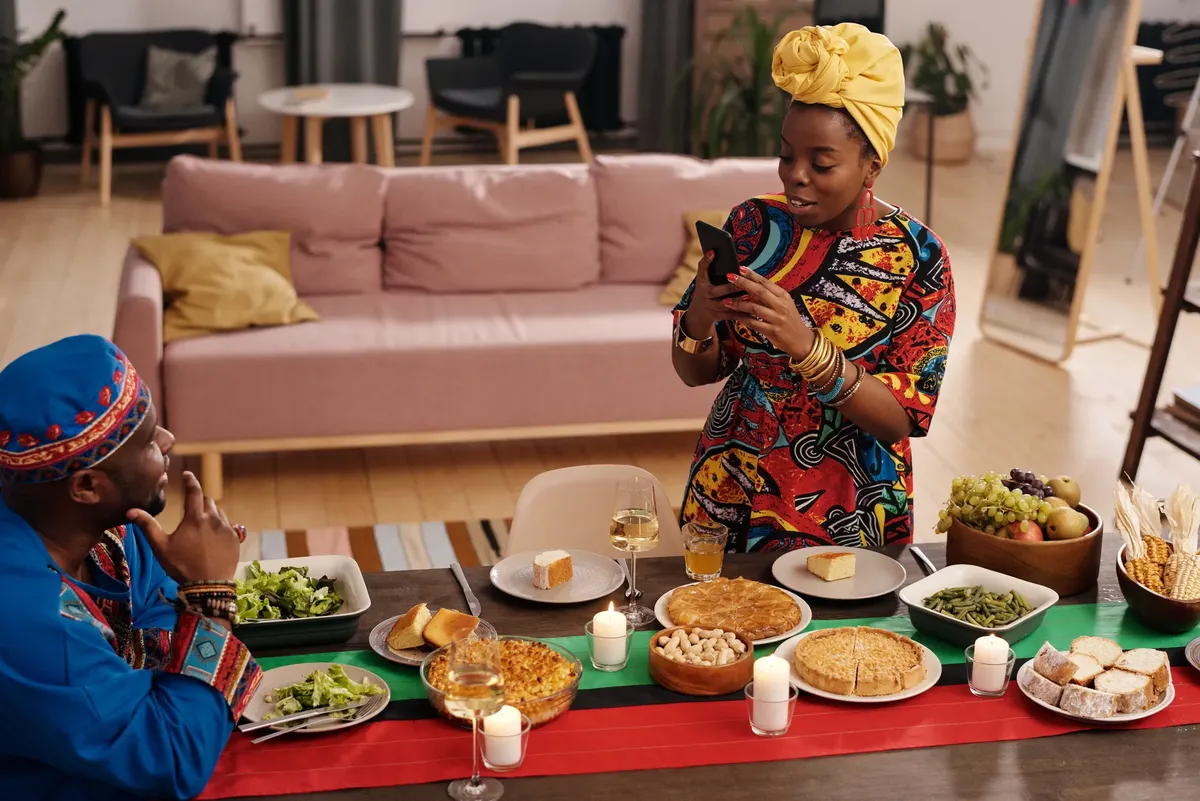
A cook carefully measures out a new, processed component to balance a traditional stew. The concept of ingredient shifts in Africa often involves the introduction of refined flours, oils, and sweeteners that change the texture and caloric density of classic meals.
This transition can sometimes obscure the original nutritional profile of the food.
As urban living becomes more common, convenience often dictates which ingredients are used. Traditional slow-cooked meals may be adapted into quicker, more streamlined versions using modern pantry staples.
While this allows for easier preparation, it changes the sensory experience of the original dish.
Nutritional data can help illustrate these changes when comparing traditional ingredients to modern additives. For instance, a bean-based dip with an original flavor contains 3.7g of fat and 15.9g of carbohydrates per 100g, according to USDA FoodData Central.
Such data provides a baseline for understanding the nutritional shift in modernly prepared versions of traditional foods.
The introduction of global crops often leads to the adaptation of heirloom recipes, creating a hybrid culinary landscape where old techniques meet new textures.
What is the role of cultural food backdrop in culinary evolution?
An artist sketches the vibrant colors of a market stall, where traditional and modern goods sit side by side. A cultural food backdrop provides the necessary context to understand why certain ingredients are favored or discarded during modernization.
This backdrop includes the religious, social, and historical factors that govern eating habits.
In many regions, food is not just sustenance but a medium for storytelling and social cohesion. When these traditions move into modern dining settings, the storytelling aspect often becomes the primary focus.
Chefs use the cultural backdrop to justify the use of certain techniques or to explain the presence of specific ingredients.
The way food is valued can change over time through international recognition. In 2025, Italian cuisine was listed as intangible cultural heritage by UNESCO. This demonstrates how even deeply established food cultures undergo formal recognition of their historical and social significance.
Cultural identity acts as a stabilizer, ensuring that even as ingredients change, the fundamental communal eating habits and ritualistic uses of food remain intact.
How can one manage the transition to modern African food?
A family gathers around a table, testing a new recipe that uses a mixture of traditional and imported ingredients. Managing the transition to modern African food requires a thoughtful approach to maintain flavor while meeting contemporary needs.
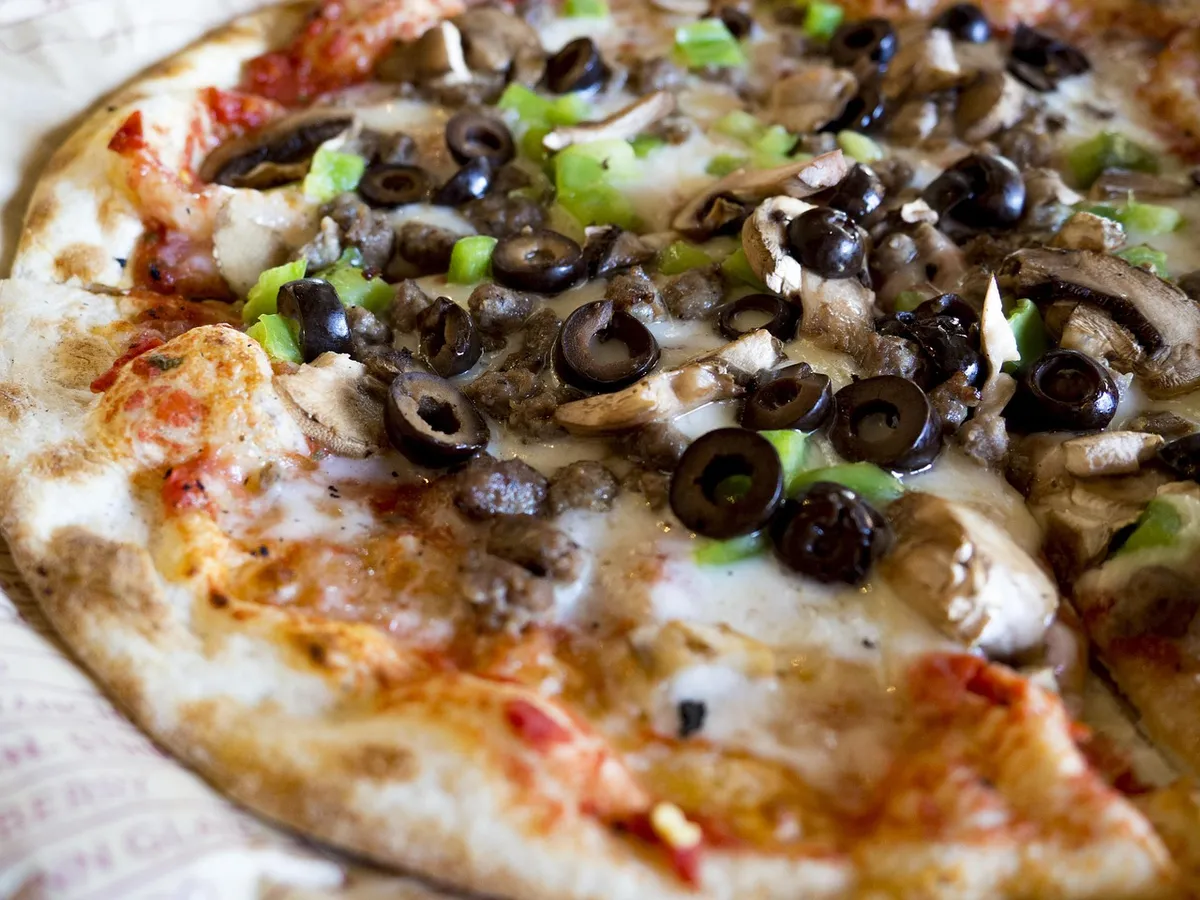
- Identify the core flavor profile of the traditional dish to ensure the essence is not lost during modification. 2. Substitute ingredients based on availability and nutritional needs without compromising the primary seasoning. 3. Test the new version against the original to ensure the cultural identity of the dish remains recognizable.
A final check involves tasting the dish to see if it meets the intended balance of tradition and innovation. I found that comparing the new version to the original helped clarify which flavors were most essential.
The process of modernization is not always applicable to every single dish, as some highly ritualized foods must remain unchanged to maintain their cultural purpose.
- Identify core traditional spices to maintain authentic flavor profiles.
- Integrate contemporary cooking methods to enhance texture and presentation.
- Balance new ingredients with heritage staples to preserve cultural continuity.
Related




Comments 0