Spanish Tapas Regional Flavors: A Guide to Local Styles
"The art of small plates is not merely about sustenance; it is a rhythmic social dance shared over a table of diverse flavors."
Spanish Tapas Regional Flavors represent a culinary tradition that transcends simple snacks to become a cornerstone of social interaction. This guide explores how these small bites define dining experiences through diverse regional styles and cultural depth.
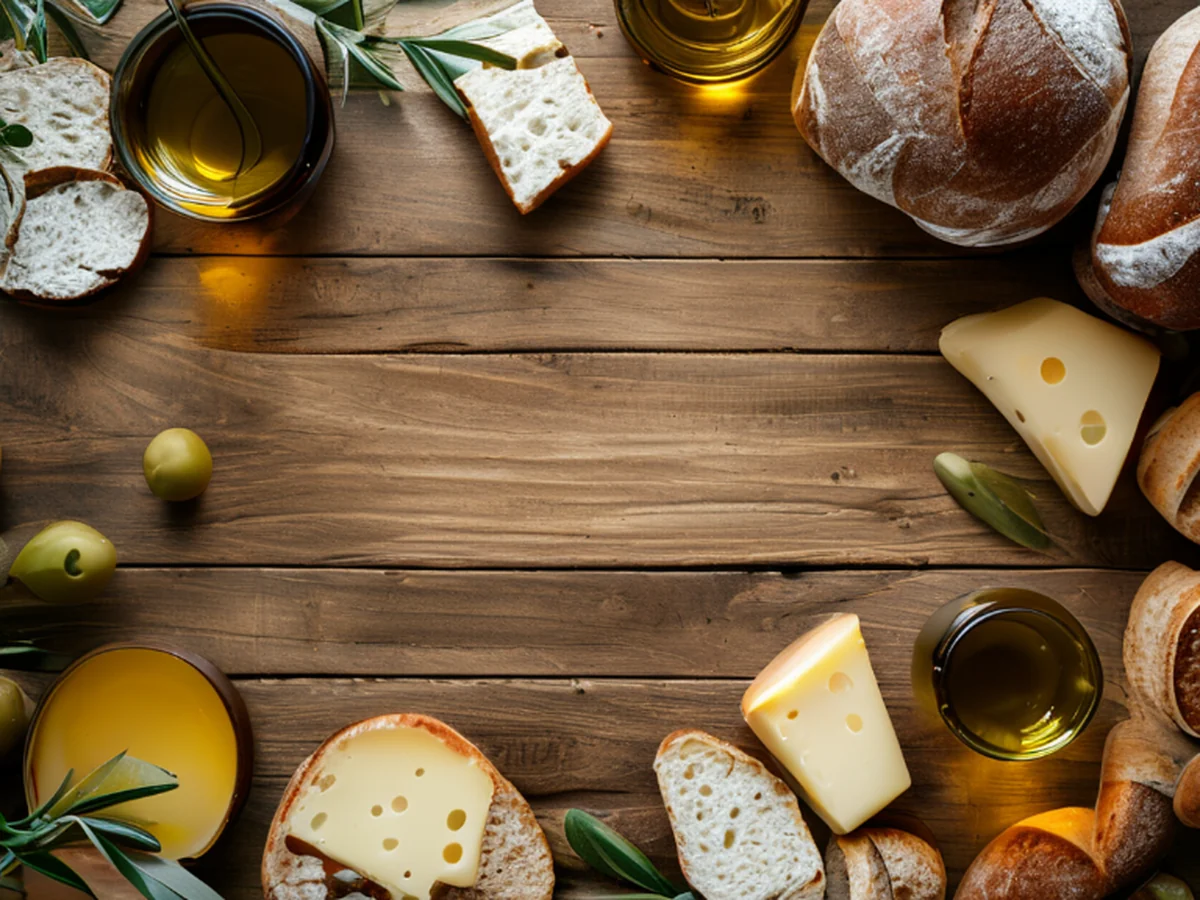
To understand this evolution, one must look at how ingredients move from local markets to communal tables, while noting that specific regional availability can limit certain traditional preparations.
How can one explore Spanish Tapas Regional Flavors?
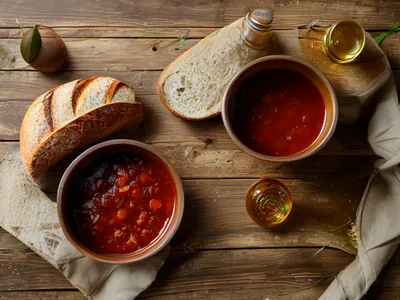
At sunset in a sun-drenched plaza, I reach for a warm crusty loaf to dip into savory oils, beginning my journey into spanish flavors.
A traveler walks into a bustling Madrid tavern, where the scent of toasted bread and olive oil fills the air. Choosing a variety of small plates allows for a comprehensive exploration of local tastes.
Exploring the variety of small bites often begins with understanding the base ingredients used in different provinces. For instance, the richness of certain nuts or the tang of cultured creams can provide a foundational flavor profile for various dishes.
To explore tapas varieties effectively, one should seek out seasonal ingredients that reflect the specific geography of the region. Enhancing the dining experience involves moving beyond single-dish orders to a shared spread of diverse textures.
What are the different Local Tapas Styles?
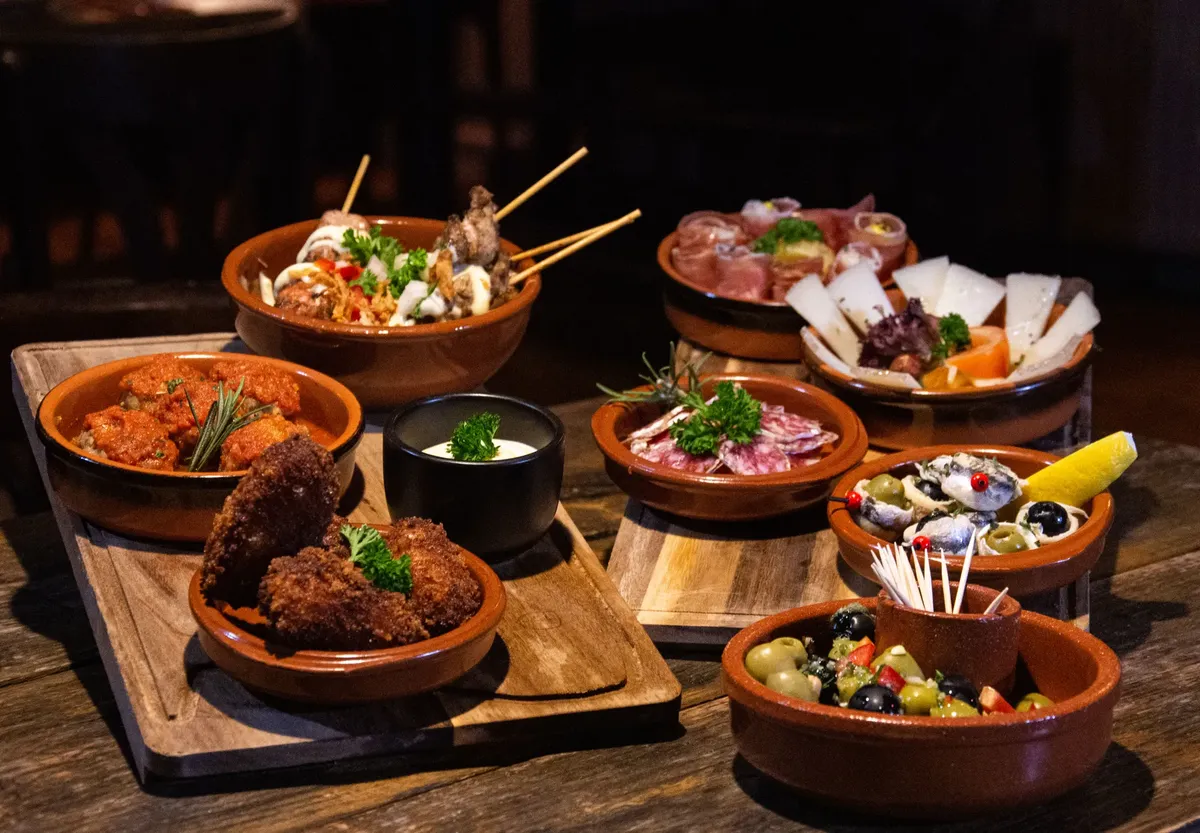
At dusk in an Andalusian kitchen, I watch a chef slice seafood with precision, feeling the heat from the stove as we study various spanish styles.
A chef in Andalusia carefully slices fresh seafood, preparing it for a quick sear in a hot pan. The diversity of preparation methods defines the unique identity of various Mediterranean coastal towns.
Different regions utilize distinct techniques to highlight local produce, creating a wide range of flavors. Some areas focus on cold, marinated appetizers, while others specialize in warm, fried delicacies.
To understand local tapas styles, one must recognize how geography dictates the availability of ingredients like seafood, cured meats, or seasonal vegetables.
A deep dive into tapas culture reveals that these variations are not random but are deeply rooted in historical trade and agricultural patterns.
How does a Tapas Culture Deep Dive work?
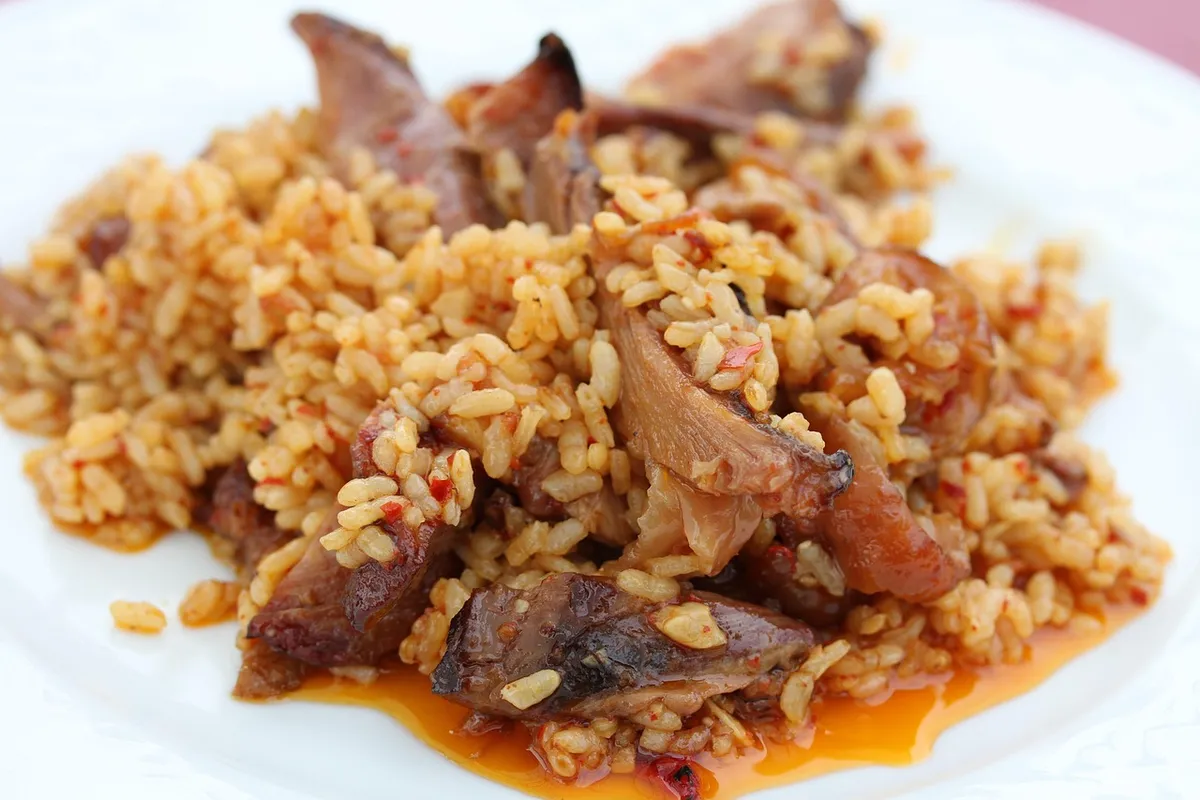
A group of friends gathers around a high wooden table, passing small plates of olives and cheese between them. The atmosphere is lively, with the clinking of glasses punctuating the constant hum of conversation.
Engaging in a deep dive into tapas culture requires observing how food facilitates social bonding. It is rarely a solitary activity; rather, it is a communal ritual designed to encourage movement and conversation.
In many Spanish cities, the tradition involves moving from one bar to another, trying a different specialty at each stop. This movement keeps the social energy high and allows for a broader sampling of the culinary landscape.
Why are Regional Small Bites so significant?
A vendor in a local market arranges bright red peppers and golden olives in neat rows. These seasonal offerings are the lifeblood of the local culinary identity.
Regional small bites serve as a concentrated expression of a community's heritage and available resources. Each bite tells a story of the land, from the salty influence of the coast to the earthy tones of the mountains.
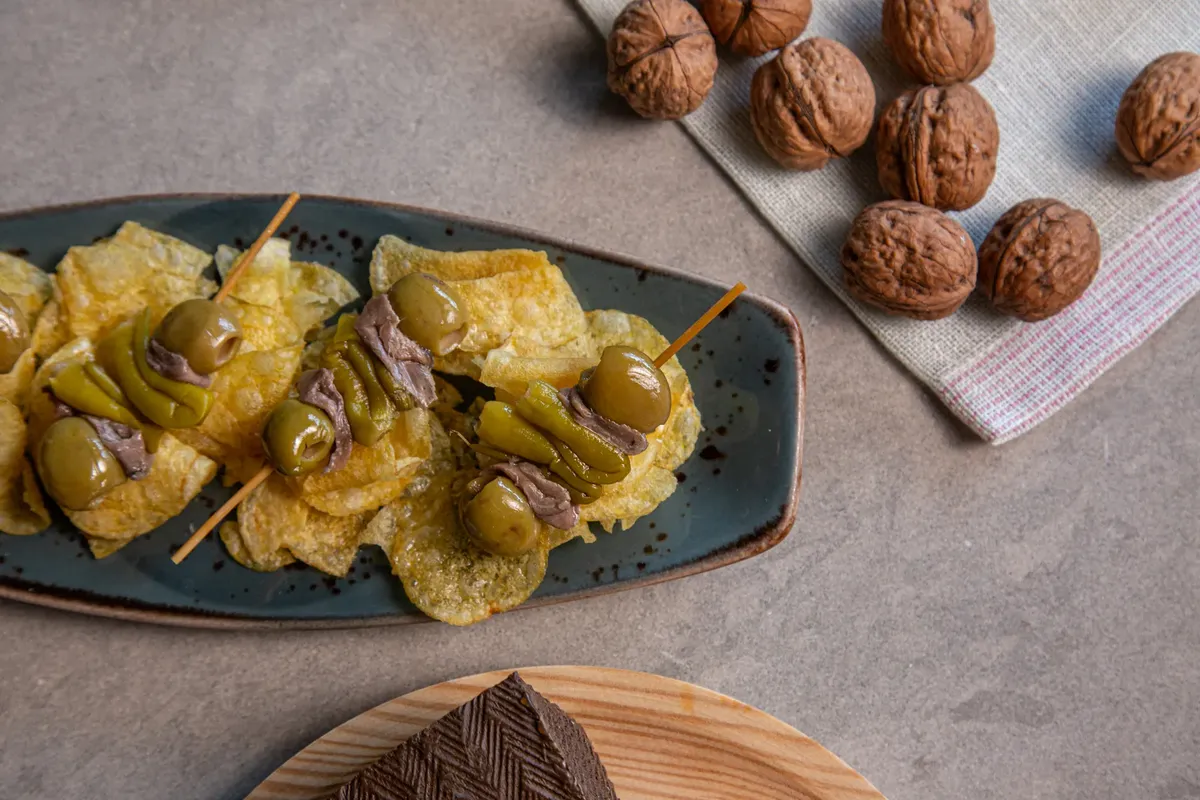
This connection to the land ensures that the food remains authentic and deeply tied to the local identity. While these bites are small in portion, their cultural impact is vast, acting as a medium for preserving traditional cooking methods.
How can one achieve an Authentic Spanish Bites experience?
A patron sits at a narrow counter, watching a bartender expertly pour a drink while placing a small plate of olives on the wood. The seamless integration of food and drink is central to the experience.
To achieve an authentic experience, one should embrace the informal nature of traditional tapas bars. These spaces often prioritize the quality of the ingredients and the speed of service over formal table settings.
It is common to enjoy these bites alongside local beverages, creating a balanced sensory experience. Authenticity is found in the simplicity of the ingredients and the genuine social atmosphere of the venue.
| Food Item | Key Nutrient (per 100g) |
|---|---|
| Peanuts, spanish, raw | 26.2g Protein |
| Cream, sour, cultured | 2.44g Protein |
I found that comparing the protein content of these two common ingredients helped me understand how different textures contribute to a balanced snack.
- How can one explore Spanish Tapas Regional Flavors?
- What are the different Local Tapas Styles?
- How does a Tapas Culture Deep Dive work?
The subject here is Spanish Tapas Regional Flavors.
The same subject is also called Modern Tapas Journey.
This part also covers Enhance Dining Experience.
Related
- Persian food culture exploration: History of Persian flavors
- 85% Water, 8% Protein: Understanding Tofu's Nutrition
How do these small plates facilitate cultural transmission?
The small plates serve as tangible artifacts of regional history. They carry forward cooking techniques passed down through generations, evidenced by the specific way ingredients are combined. This continuity demonstrates how culinary traditions survive through adaptation of available local produce.
The journey of ingredients from the market to the communal table mirrors the cultural journey itself. Each small plate offers a microcosm of the region's agricultural bounty and its established culinary practices. This shared consumption reinforces cultural memory among diners.
What cautions should be observed when trying tapas?
One should be mindful of the role of seasonality when selecting small plates. Relying on ingredients available during a specific time of year ensures the most authentic taste profile.
Furthermore, acknowledging the geographical limitations of certain preparations prevents disappointment regarding unavailable traditional dishes. This awareness deepens the appreciation for the dishes tried.
Wikipedia: Taiwanese cuisine Based on the retained excerpt mentioning Tourism Bureau: The annual Indigenous Peoples Healthy Cuisine and Innovative Beverage Competition, partly sponsored by the Council of Indigenous Peoples and the Tourism Bureau provides prize money to contestants who creatively use traditional indigenous ingredients in healthy ways.



Comments 0