Pitao healthy meal origin how to use 275kcal pita bread
"The history of food is more than just sustenance; it is a map of how civilizations have moved, worked, and survived through the centuries."
The Pitao healthy meal origin is rooted in the versatile use of flatbreads for balanced nutrition. This guide explores how simple ingredients like enriched white pita bread provide essential macronutrients and minerals for a modern diet.
You will learn about the nutritional profile of pita, the historical context of dietary shifts, and the practical ways to assemble a meal, though this overview does not cover specific medicinal benefits.
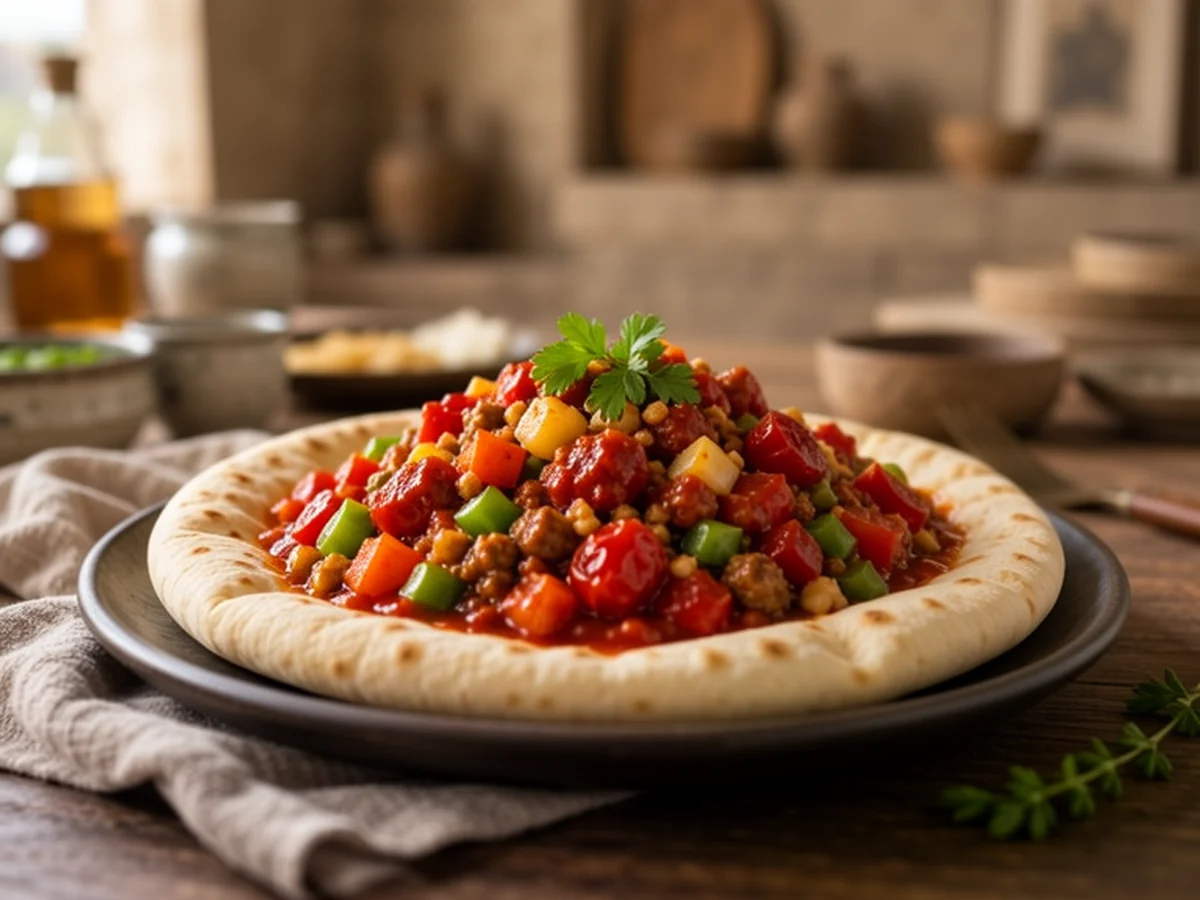
* Enriched white pita bread contains 9.1g of protein per 100g. * A single serving provides 275kcal and 55.7g of carbohydrates. * Key minerals include 86mg of calcium and 120mg of potassium. * Fiber content for enriched pita is 2.2g per 100g.
What defines the Pitao healthy meal origin?
At dawn, the baker reaches into the stone oven to pull out the warm pitao, feeling the heat radiate against his skin.
A baker pulls a warm, circular dough from a stone oven, the steam rising as the bread puffs into a pocket. This ancient method of creating flatbread serves as the starting point for the Pitao healthy meal origin, providing a vessel for various fillings.
The simplicity of the bread allows it to adapt to different cultures and nutritional needs over time.
For every 100g, it contains 9.1g of protein, 55.7g of carbohydrates, and 1.2g of fat. It also provides 107ug of folate and 2.2g of dietary fiber.
These components make it a practical choice for those seeking a consistent source of energy through a Pitao food history lens.
How does the Pitao food history compare to other diets?
A researcher sits in a quiet library, flipping through dusty ledgers that track the consumption of meat and grains across different eras. Understanding the Pitao food history requires looking at how food availability changed for different social classes.
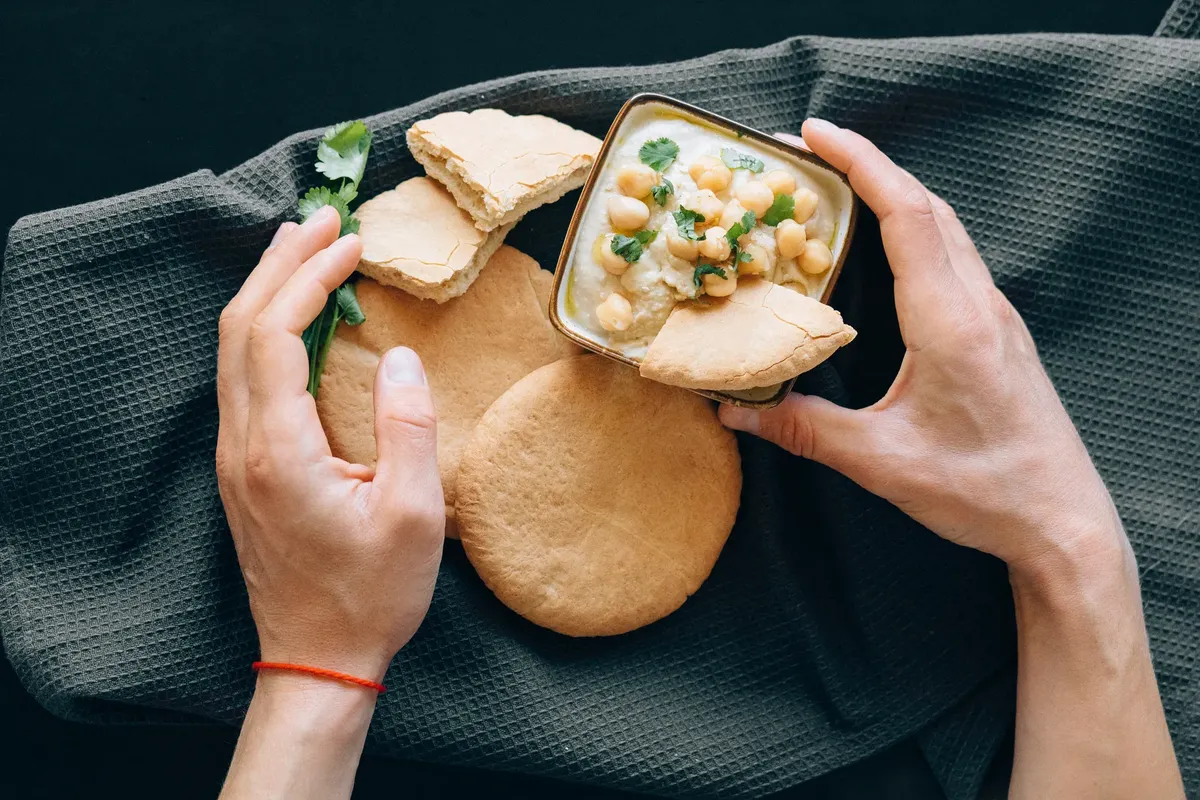
Historically, the amount of food consumed varied wildly depending on one's occupation and status.
| Group Type | Consumption Level (1904) |
|---|---|
| Laborers | 39 kilograms (87 lb) per year |
| Aristocrats | 140 kilograms (300 lb) per year |
The data shows a massive gap in how different people accessed calories. While laborers focused on survival, aristocrats had access to much higher volumes of food. This context helps explain why simple, portable items like pita became so essential for various populations.
Can I use a Healthy one meal diet approach?
A person stands in a bright kitchen, selecting fresh vegetables and protein to tuck into a soft bread pocket. Implementing a Healthy one meal diet approach involves choosing nutrient-dense ingredients that fit within a single, satisfying serving.
This method focuses on the density of the components rather than just the volume of food consumed.
To build a balanced meal, follow these steps:
- Select a base of enriched pita bread to provide carbohydrates and protein. 2. Add a protein source, such as poultry or legumes, to complement the bread's 9.1g of protein. 3. Incorporate vegetables to increase the fiber and micronutrient profile.
After assembling the ingredients, check that the meal provides a satisfying mix of textures and flavors. I found that using the pita as a wrap makes the process much faster during a busy afternoon.
What are the best Pitao ingredient choice options?
A chef carefully weighs out grains and seeds on a wooden tabletop, preparing for a day of cooking. Making a smart Pitao ingredient choice means looking at the specific nutritional values of your staples.
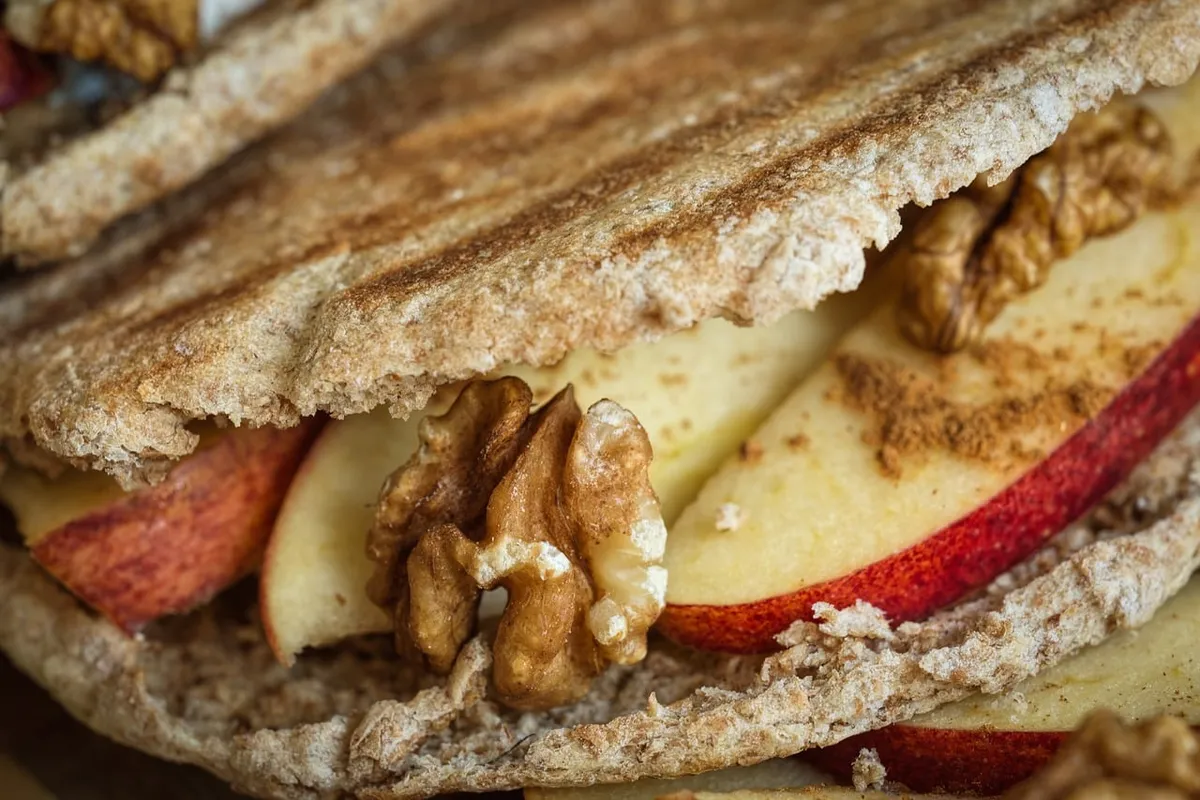
For instance, comparing different grains can change the energy density of your meal significantly.
When considering a Pitao ingredient choice, you might look at cereals alongside bread. According to USDA FoodData Central, plain, dry MALT-O-MEAL cereals contain 11.8g of protein and 365kcal per 100g. In comparison, enriched white pita bread provides 275kcal and 9.1g of protein per 100g.
This comparison helps in planning meals based on specific caloric or protein targets.
How do modern diet changes affect consumption?
A family sits around a table, passing plates of food that look very different from the heavy stews of previous generations. Observing modern diet changes shows a shift toward more controlled portions and specific macronutrient targeting.
People are increasingly aware of the exact grams of protein or carbohydrates they consume.
These modern diet changes are driven by a desire for efficiency and health awareness. Instead of the massive quantities consumed by historical aristocrats, many now focus on the density of each bite.
This shift emphasizes the importance of choosing enriched foods that offer more nutrients per calorie.
How can I manage an Asian cooking diet?
A cook stirs a fragrant mixture in a heavy pan, the scent of spices filling the small kitchen. Integrating these elements into an Asian cooking diet allows for the fusion of traditional flavors with modern nutritional goals.
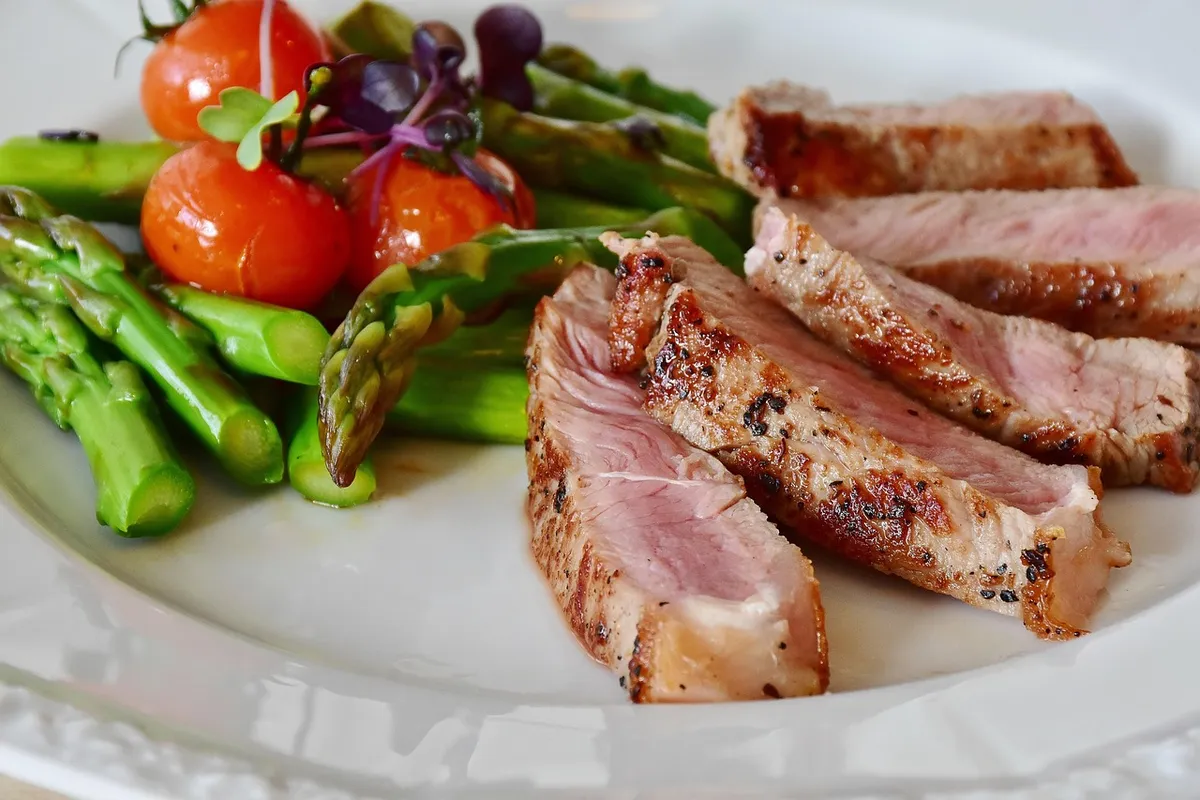
This style of eating often emphasizes the balance between grains, proteins, and vegetables.
An Asian cooking diet can be customized by using pita as a substitute for other flatbreads or wraps. By pairing the bread with traditional ingredients, you can maintain cultural flavors while ensuring a steady intake of minerals like the 86mg of calcium found in enriched pita.
This flexibility is a hallmark of modern culinary adaptation.
- What defines the Pitao healthy meal origin?
- How does the Pitao food history compare to other diets?
- Can I use a Healthy one meal diet approach?
This part also covers Pitao nutritional value.
This part also covers Kimchi pizza recipe.
Related
- How does moisture and fat affect toast quality?
- Spanish Tapas Regional Flavors: A Guide to Local Styles
How does the history of food relate to modern nutrition choices?
- The history of food reveals how societal structures influenced what people ate, a pattern reflected in today's food choices. 2. The variation in consumption levels between laborers and aristocrats in the past demonstrates a deep connection between economic status and food access. 3. Modern diet changes show a move toward intentionality, where individuals actively manage the macronutrient intake derived from staple foods like pita.
The historical context of food consumption shows that the availability of sustenance directly shaped the culture of a civilization. This historical understanding informs why the simple, adaptable nature of flatbreads, like pita, remained a crucial food element across diverse groups.
When comparing the historical reliance on bulk food versus the modern focus on nutrient density, one sees a significant evolution in the approach to food.
The historical data on consumption levels provides a stark contrast to the contemporary emphasis on specific grams of protein or carbohydrates in a single meal.
The nutritional profile of enriched white pita bread serves as a tangible link between past dietary needs and current health goals.
Its established content of protein and minerals allows it to function as a reliable component in modern food planning, bridging historical necessity with current dietary science.




Comments 0