What are the traditional methods for bagel preparation?
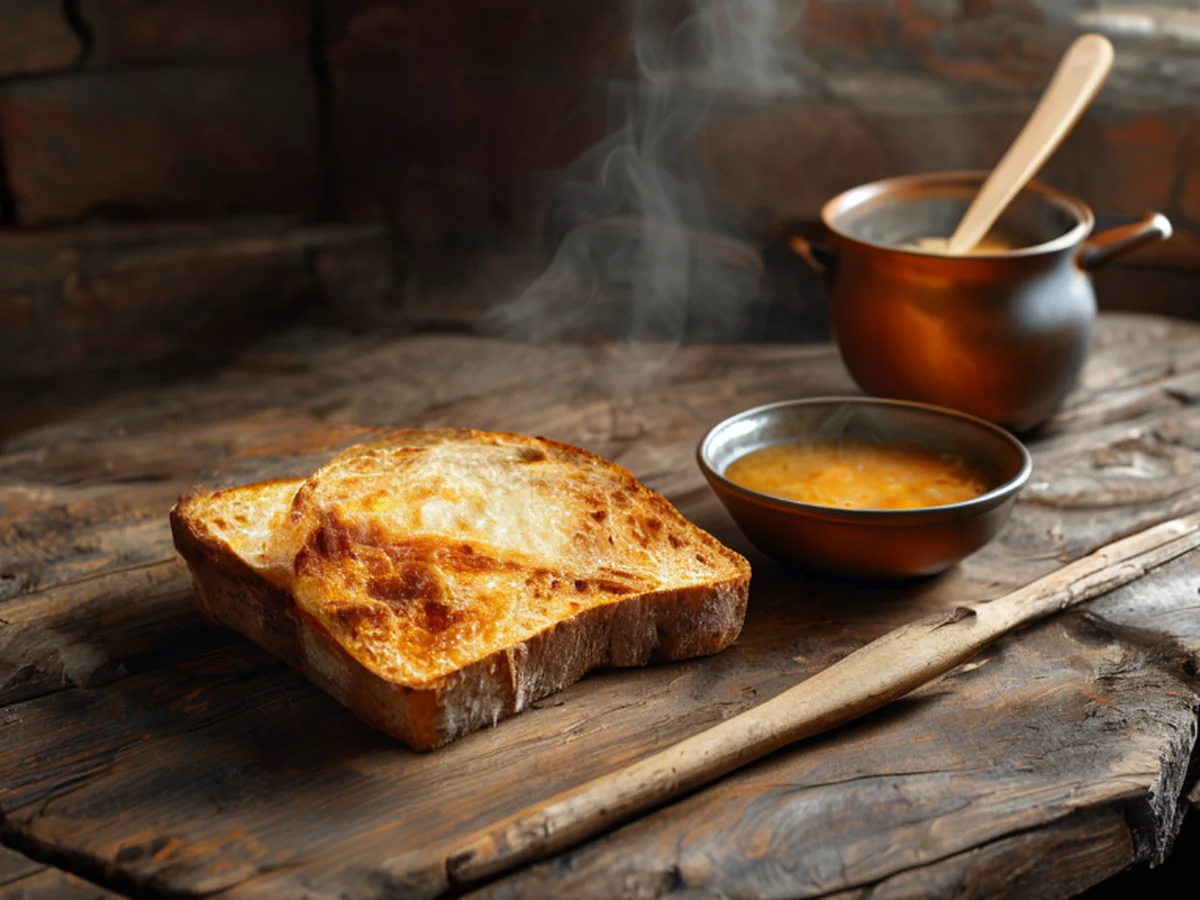
"The perfect slice of toast is a marriage of texture, time, and tradition, where the heat of the oven meets the patient chemistry of the dough."
Understanding the nuances of global toast preparation requires a look at both ingredient composition and traditional dough management. This guide explores the structural differences in various breads and the nutritional profiles of classic preparations.
You will learn about dough hydration, historical size shifts, and essential preparation steps.
How do different toast styles compare?
At sunrise, I bite into a piece of golden toast in my kitchen, noticing how its crunch differs from a more traditional soft loaf.
The variety of toast styles depends heavily on the base bread's density and moisture content.
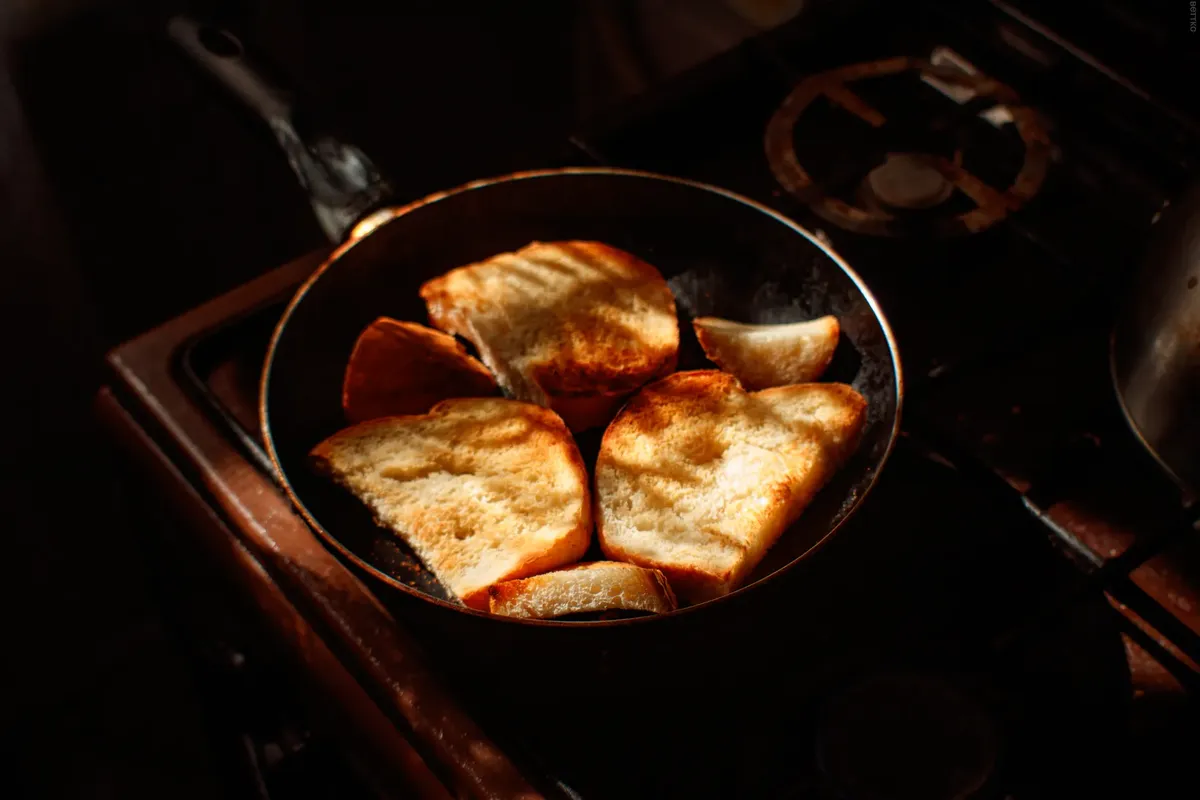
The history of toast involves various methods, ranging from the different mouthfeel of standard whole-wheat toast to the soft, milk-based French toast found in traditional recipes from around the world, representing modern twists on ancient toast cooking.
According to USDA FoodData Central, 100g of prepared whole-wheat toasted bread contains 305kcal and 9.2g of protein. In comparison, 100g of low-fat (2%) milk French toast provides 229kcal and 7.7g of protein.
These nutritional differences reflect the varying ingredient ratios used in different global recipes.
Standard whole-wheat toast provides 6.7g of dietary fiber per 100g, making it a denser option. French toast with low-fat milk contains 100mg of calcium per 100g. These profiles help determine which bread suits specific culinary purposes.
Traditional World Toast Recipes A bagel is prepared using a specific dough that differs significantly from standard loaf bread. The dough is notably stiff, typically maintaining a hydration level of around 50–57%.
The stiff nature of the dough allows for a unique, chewy texture that is characteristic of the style. This low hydration is a key factor in achieving the dense crumb structure.
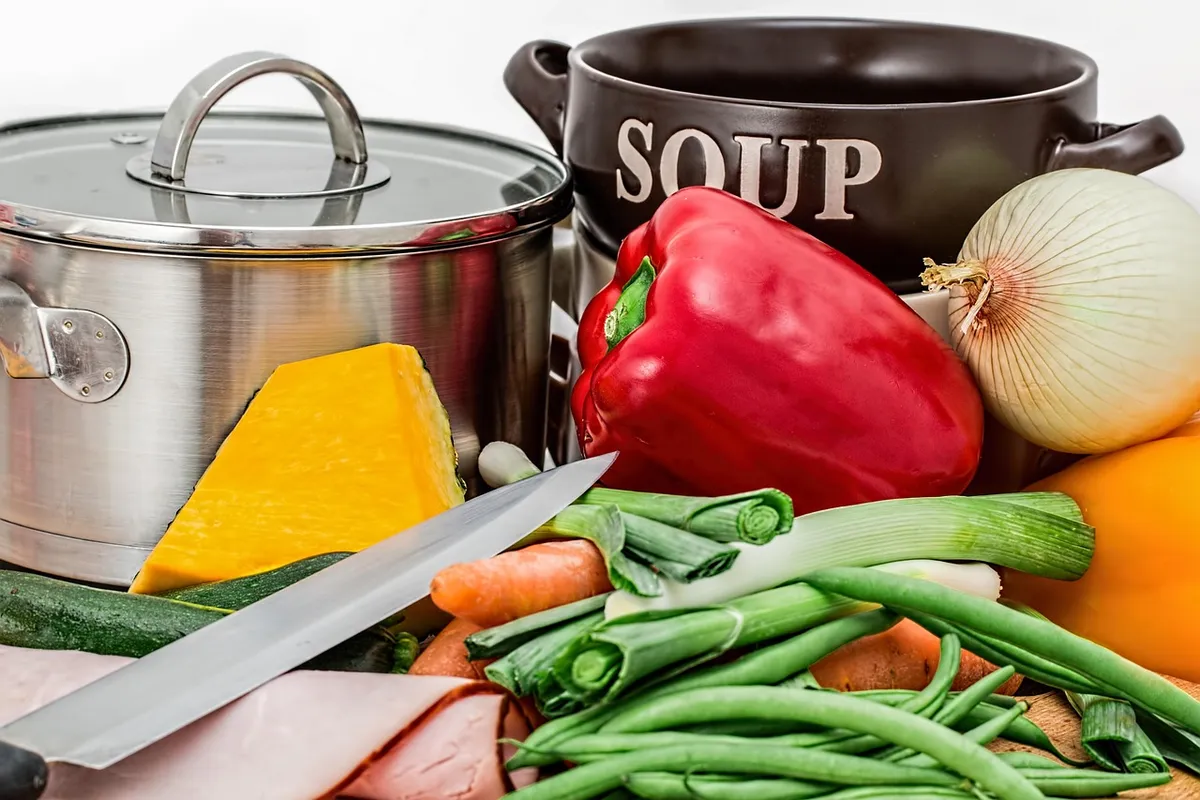
Historically, the size of these items has shifted over time. Starting at approximately 2 ounces (60 g), the average bagel weighed 3 ounces (90 g) by 1915, with further size increases occurring in the 1960s.
How are bagels traditionally made? I once observed a baker handling dough that felt remarkably firm compared to the soft loaves used for sandwiches. Preparing this specific type of bread requires strict adherence to timing and handling.
Traditional preparation follows these essential steps:
- Mix the dough to achieve the required 50–57% hydration level. 2. Allow the dough to rest for at least 12 hours between the mixing and baking stages. 3. Shape the dough into rings before boiling and baking.
The 12-hour resting period is a critical component of the process. This time allows for proper fermentation and flavor development within the stiff dough.
How thick should toast slices be?

The thickness of a slice affects how heat penetrates the bread and how the final texture feels. For many specialized breads, the slices range from 3 to 6 mm (0.12 to 0.24 in) thick.
Selecting the right thickness is vital for consistent results. A thinner slice may crisp more quickly, while a thicker slice maintains a soft center.
| Bread Type | Energy (per 100g) | Protein (per 100g) |
|---|---|---|
| Whole-wheat Toast | 305kcal | 9.2g |
| Low-fat French Toast | 229kcal | 7.7g |
Using the right thickness ensures that the heat interacts correctly with the dough's specific density. This balance is essential for achieving the desired crunch or softness.
What are the limitations of these recipes?
The success of these traditional recipes is limited by the specific hydration levels and resting times required for the dough. If the hydration is not strictly maintained between 50% and 57%, the characteristic texture may be lost.
The 12-hour rest is a requirement for proper development. Without this period, the dough may not reach the intended consistency.
- How do different toast styles compare?
- What actually makes a bagel a bagel?
- How are bagels traditionally made?
Related
- Traditional Tteokbokki Recipe: Soy to Spice Guide
- What are the timing requirements for food printing?
How does hydration affect the perfect slice?
The hydration level directly influences the density of the bread. A dough with 50–57% hydration creates a stiff texture compared to higher moisture loaves. This specific condition is necessary to achieve the chewy crumb characteristic of certain styles.
When comparing the two, a thicker slice of the denser dough will maintain a different structural integrity than a thinner slice. The 3 to 6 mm thickness range allows the heat to interact with the specific density of the dough.
This ensures the perfect slice meets the desired balance of crunch and softness.
What cautions should be taken during preparation?
Strict adherence to the 12-hour resting period is a necessary condition for flavor development. If the baker fails to allow this time, the dough may not reach the intended consistency.
Additionally, maintaining the hydration between 50% and 57% is a requirement to avoid losing the characteristic texture.
If the hydration deviates from this range, the dough will not behave like the traditional stiff variety. This could result in a texture that lacks the intended chewiness. Proper timing and handling are essential to prevent these issues during the preparation process.
How does the thickness impact the perfect slice?
The thickness of the slice determines how the heat penetrates the dough. A slice within the 3 to 6 mm range allows for a specific balance between a crisp exterior and a soft center. If the slice is too thin, it may crisp more quickly than intended.
Conversely, a thicker slice maintains a softer interior due to the dough's density.
What conditions ensure the best texture?
Achieving the perfect slice requires maintaining specific dough conditions. The dough must stay within a 50–57% hydration range to ensure the characteristic chewy texture. Additionally, the 12-hour resting period is a necessary condition to allow for proper fermentation.
If these conditions are not met, the structural integrity and flavor of the bread may be compromised.





Comments 0