Kimchi modern evolution: 20% sodium intake guide
"The preservation of flavor through fermentation is a timeless art that bridges ancient traditions with modern dining tables."
Modern kimchi evolution involves shifting ingredients and changing consumption patterns while maintaining deep cultural roots. This guide explores the transition from traditional methods to contemporary standards, highlighting how the dish remains a staple despite changing lifestyles.
Key takeaways include the importance of fermentation techniques, the impact of dietary shifts, and the preservation of cultural identity through standardized naming.
How has Kimchi modern evolution changed the way we eat?
A person stands in a bright kitchen, slicing fresh Napa cabbage with a sharp knife. This process of preparation involves much salt, and approximately 20% of sodium intake comes from kimchi.
The shift in how people consume this dish reflects a broader Kimchi modern evolution. While historical consumption was high, recent trends show a change in daily portions. In 2010, the average daily intake was 109.9 grams, but this has since seen a 19.6% decrease.
This change reflects how modern lifestyles influence how often and how much people eat.
The traditional kimchi roots remain the foundation of every batch, even as ingredients vary. People move between different styles, but the core fermentation process stays central. This ensures that the essence of the dish survives through generations.
What are the main Kimchi modern changes in production?
A worker carefully packs brined vegetables into airtight jars to begin the fermentation process. The vegetables are packed into airtight jars and left to ferment at room temperature for 24 to 48 hours.
The transition from household production to commercial standards represents significant modern kimchi changes.
Unlike the days of large-scale home fermentation, commercial production often follows specific regulations, such as those from the Canadian Food Inspection Agency regarding commercial production. These standards ensure consistency in flavor and safety.
The fermentation evolution is a constant process of refining acidity and texture. While the methods become more standardized, the biological process of fermentation remains the same. This allows for a consistent product that can be distributed globally.
How do Kimchi ingredient shifts affect flavor?
A chef selects fresh peppers and garlic to mix into a vibrant red paste. The mix of ingredients determines the unique character of each batch.
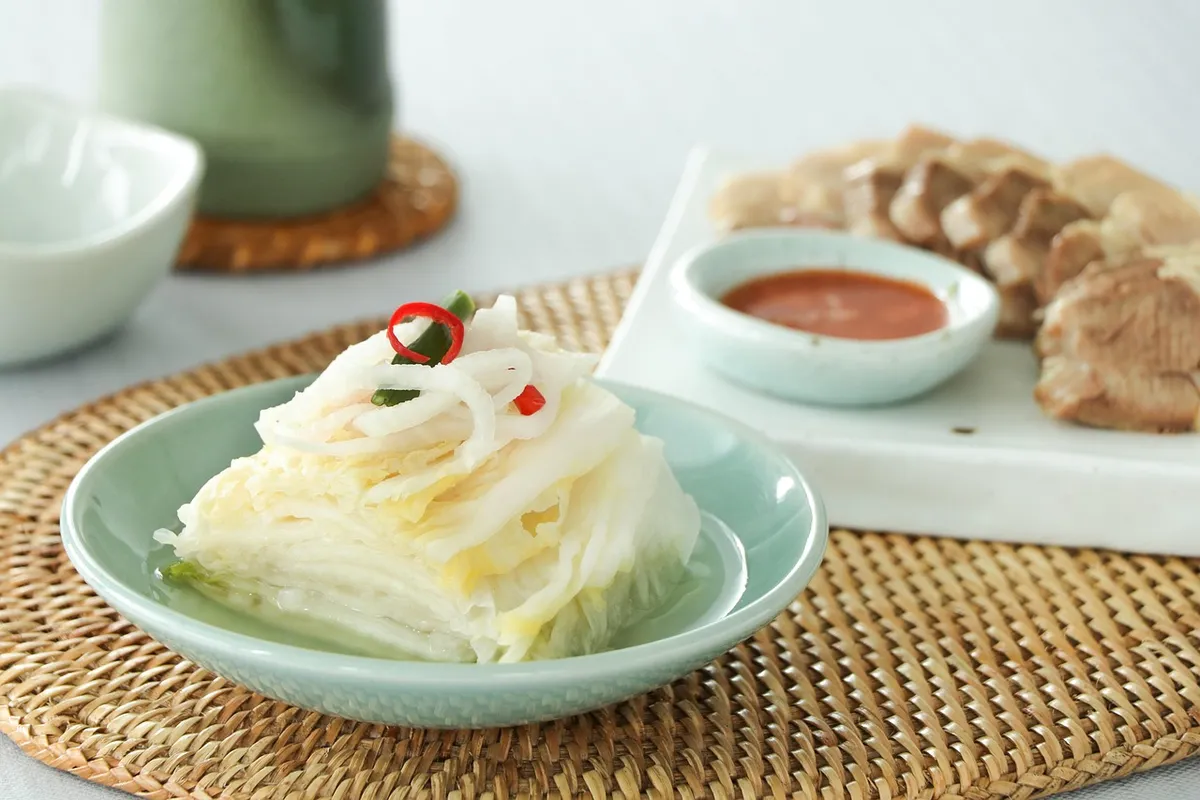
The Kimchi ingredient shifts often involve balancing salt, spice, and acidity. Because Napa cabbage is prepared with much salt, managing sodium levels is a key part of modern recipes. This balance is crucial for maintaining the desired texture and tanginess in different varieties.

The history of kimchi shows that ingredients have always adapted to what is available seasonally. Moving from purely traditional methods to modern convenience, the ingredients are still selected for their ability to ferment properly. This ensures the soul of the dish remains intact.
How does the Kimchi cultural shift impact global identity?
A family gathers around a table to share a meal, passing a bowl of fermented vegetables. The shared meal is a symbol of community and heritage.
The Kimchi cultural shift involves how the world perceives this traditional food.
In 2021, the South Korean Ministry of Culture, Sports and Tourism presented the guidelines to set the term xīnqí (辛奇) as the new proper Chinese translation of kimchi, while pàocài was no longer the acceptable translation.
This move sought to clarify the unique identity of the dish in a global context.
Cultural identity is often tied to how food is named and categorized. The history of kimchi shows a deep connection to the Korean peninsula, which is recognized globally. This identity is further reinforced by international recognition of its cultural importance.
What is the role of standards in the Kimchi fermentation evolution?
An inspector checks the seal on a jar to ensure it is truly airtight. Ensuring quality is a vital part of any production process.
The fermentation evolution is supported by international standards, though these can sometimes lead to confusion.
Maintaining these standards helps protect the integrity of the product. As the fermentation evolution continues, precision in temperature and salt levels becomes more important for commercial success. This allows for a reliable product regardless of where it is produced.
How to manage traditional kimchi roots in a modern kitchen?
A home cook prepares a small batch of cabbage in a glass jar. Following a set process ensures the best results for small-scale fermentation.
To maintain the essence of the dish while adapting to modern life, follow these steps:
- Prepare the vegetables by soaking them in a salt brine to achieve the correct texture. 2. Mix the seasoning paste and coat the vegetables thoroughly to ensure even fermentation. 3. Pack the mixture into airtight jars and leave them at room temperature for 24 to 48 hours.
I once tried making a small batch using these exact steps, and the result was a much more consistent acidity than my previous attempts. A final check of the jar's seal and the smell of the ferment ensures the batch is progressing correctly.
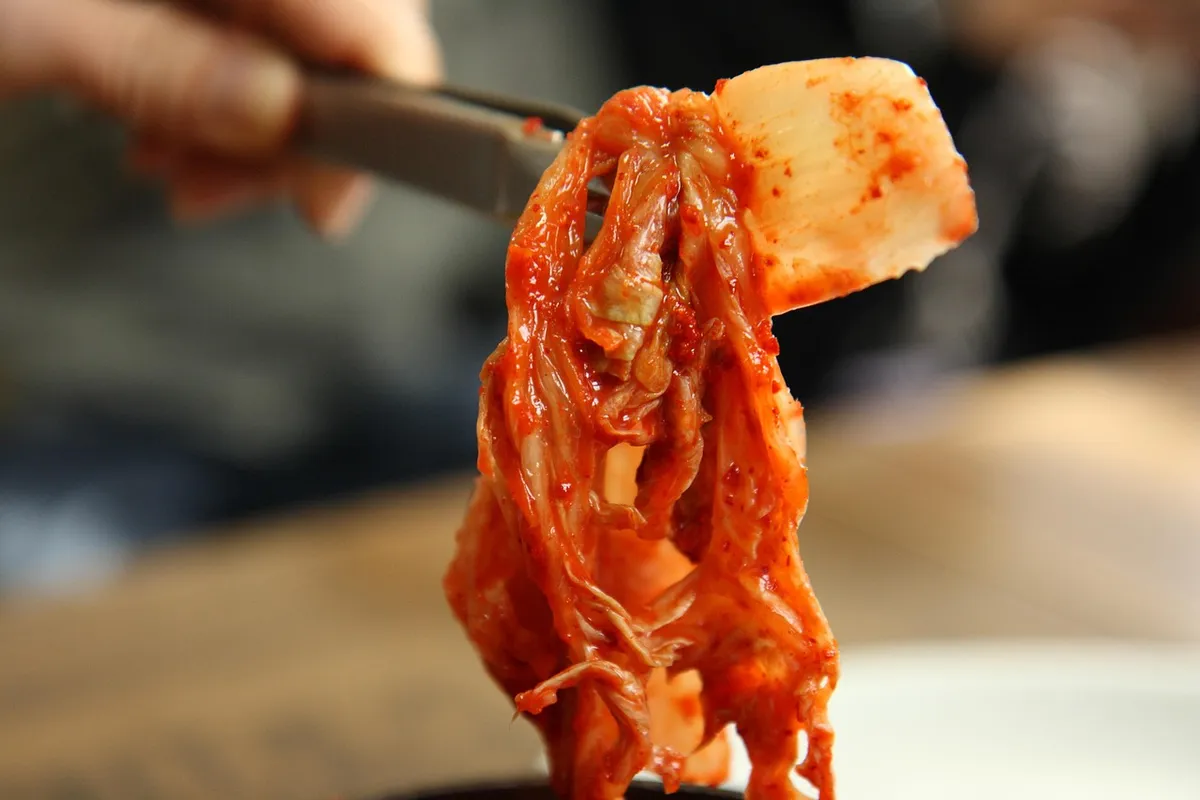
This method works for most standard cabbage-based recipes, but it may not apply to specialized varieties that require different fermentation times or salt concentrations.
| Feature | Traditional Method | Modern Commercial Method |
|---|---|---|
| Primary Container | Clay jars | Airtight plastic/glass |
| Fermentation Control | Ambient room temperature | Regulated temperature/time |
- How has Kimchi modern evolution changed the way we eat?
- What are the main Kimchi modern changes in production?
- How do Kimchi ingredient shifts affect flavor?
This part also covers Regional kimchi styles.
Related






Comments 0