Fat content guide for History of American Burgers
"The burger is smashed down, usually with a spatula, to increase browning and craggy bits on the surface for extra flavor."
The History of American Burgers is a journey of culinary evolution from simple meat patties to modern smashed icons. This guide explores how techniques like smashing meat and managing fat content shaped the sandwich into a cultural staple.
We will examine cooking methods, fat ratios, and the physical process of creating a perfect patty.
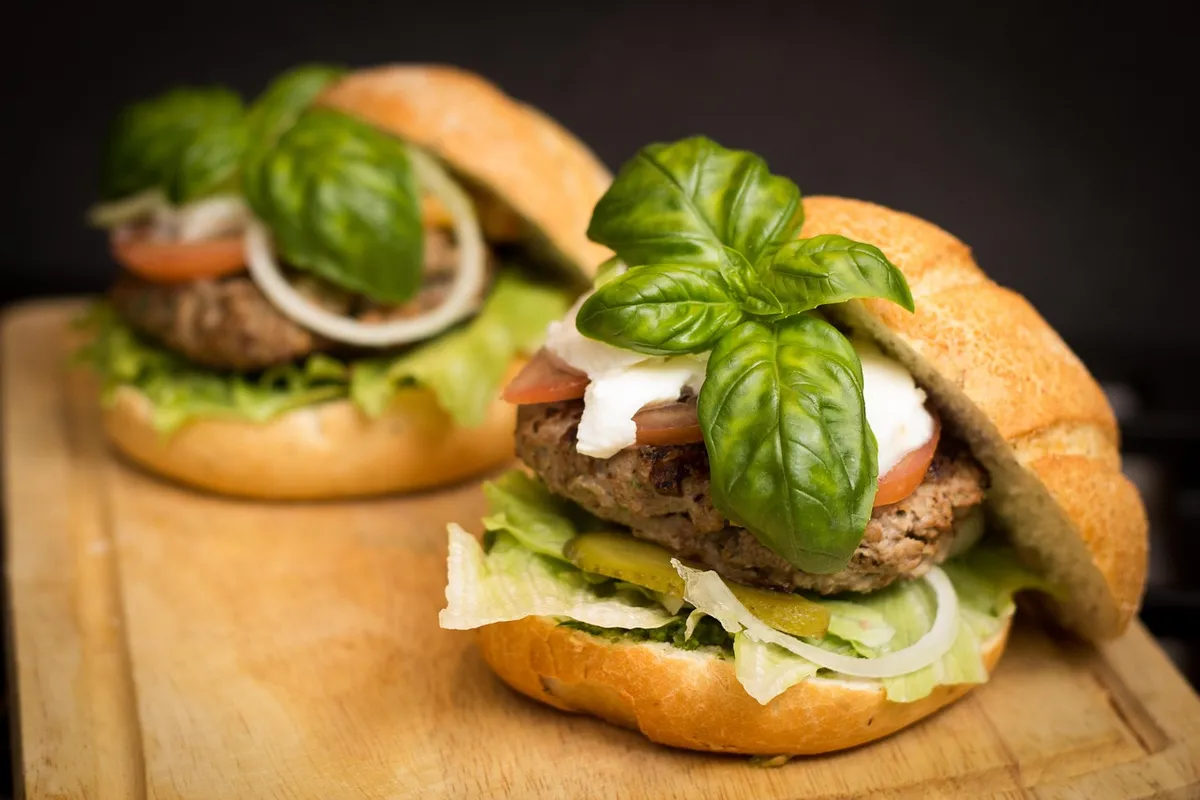
* The role of heat and pressure in flavor development * Ideal fat-to-meat ratios for moisture * Standard patty weights and cooking times
How does the smashing technique work?
A cook stands over a hot flat-top grill, pressing a metal spatula firmly against a ball of ground beef. The weight of the tool forces the meat against the metal, creating a thin, even surface.
Smash burgers are made by placing a ball of ground beef, commonly around 3 to 5 oz, onto a hot flat-top grill and pressing it flat with a spatula or burger press. This action, which typically involves 90 to 150 g of meat, ensures the surface makes full contact with the heat.
The goal is to create a textured crust that enhances the overall taste.
The technique maximizes surface area contact with the hot griddle to trigger the Maillard reaction.
What is the ideal fat content for a burger? History of American Burgers
While standing in the warm kitchen, the chef inspects the marbled meat to ensure the ideal fat content remains intact.
A chef inspects a fresh batch of ground beef, checking the marbling before seasoning. The meat must have enough fat to remain juicy once it hits the intense heat of the grill.
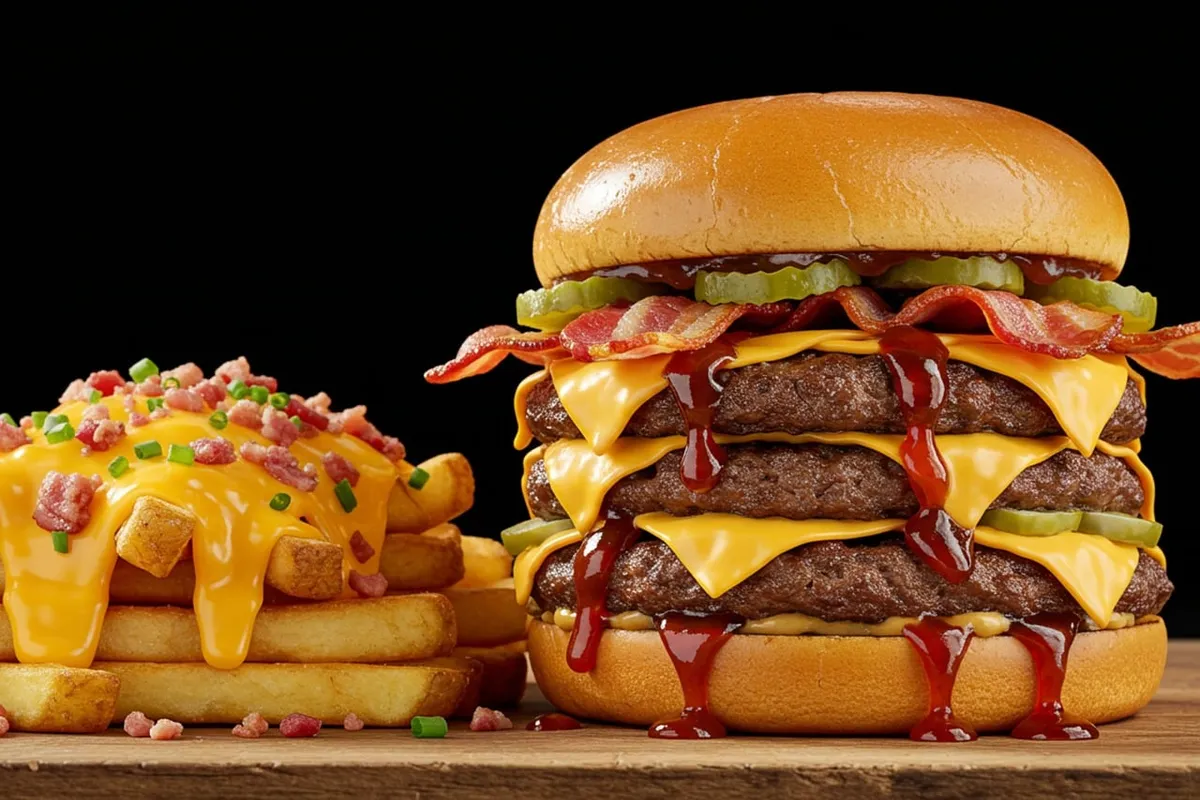
The ideal fat content is around 30% for moisture retention and flavor. This specific ratio prevents the patty from becoming too dry during the high-heat cooking process. Using this amount of fat helps maintain the structural integrity of the meat while providing a rich mouthfeel.
According to Pew Research Center, the 2012 record includes 22%.
How long should the cooking process take?
The spatula scrapes against the grill, collecting the savory bits left behind by the searing meat. The aroma of browning beef fills the kitchen as the timer begins to tick.
The patties are typically cooked quickly, within 90 to 180 seconds, and often served in double or triple stacks. This rapid cooking method relies on the high temperature of the flat-top to sear the exterior quickly.
It allows the cook to achieve a crust without overcooking the interior of the thicker sections.
The process typically takes only a few minutes per side to achieve a perfect crust.
What are the steps to make a smash burger?
A kitchen worker prepares the station, organizing the meat, the spatula, and the heat source. Every movement is calculated to ensure the meat reacts perfectly to the grill.
- Form a ball of ground beef, commonly around 3 to 5 oz, to ensure evenness. 2. Place the beef onto a hot flat-top grill and press it flat with a spatula or burger press. 3. Cook the patty quickly, within 90 to 180 seconds, to develop a crust.
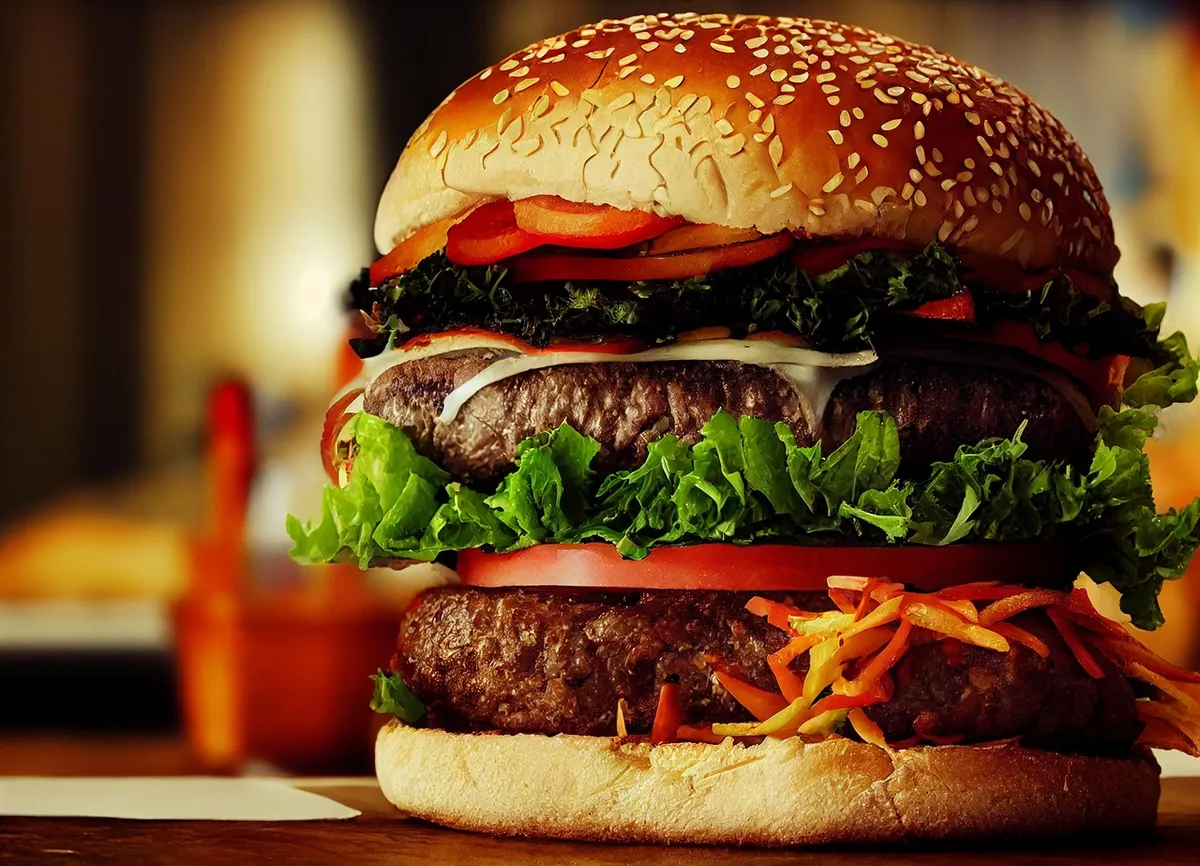
After completing these steps, check that the surface has developed the desired browning and craggy bits.
- Form loose beef balls to ensure they can be flattened easily.
- Place the meat on a ripping hot griddle and press down firmly.
- Flip the patties once a deep brown crust has formed.
How do nutritional values compare between meat and cheese?
A diner looks at a menu, weighing the options between a meat-heavy sandwich and one loaded with extra cheese. The different components offer distinct nutritional profiles.
| Component | Calories (per 100g) | Sodium (mg) |
|---|---|---|
| Burger King Original Chicken Sandwich | 286kcal | 638mg |
| American Cheese (Restaurant Style) | 375kcal | 1600mg |
I noticed that the cheese contains significantly higher sodium levels compared to the chicken sandwich when looking at the provided data.
Meat provides the primary protein source, while cheese adds significant fat and sodium.
What are the limitations of these techniques?
A cook adjusts the heat, noting that certain meat blends might not react the same way as others. The variable nature of meat makes consistency a constant challenge.
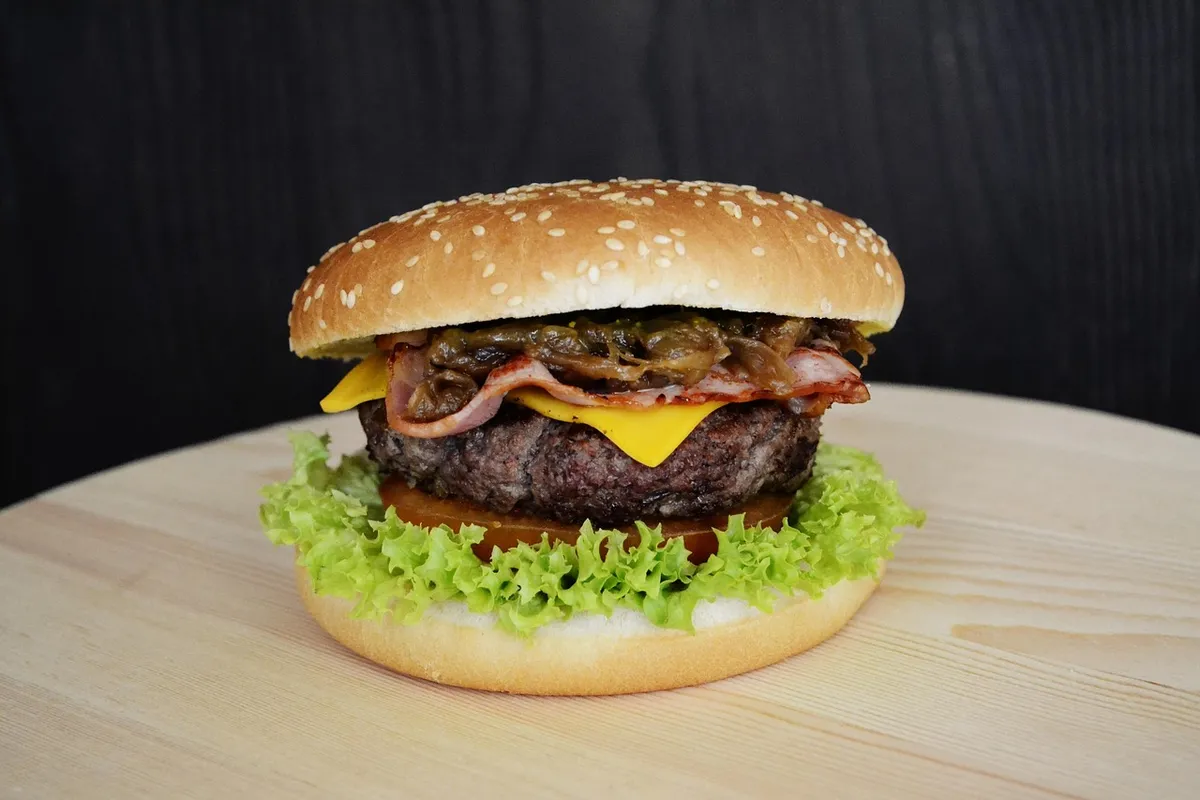
The effectiveness of the smashing technique is limited by the initial weight of the meat, as using a ball that is too large might prevent even browning.
In this sequence, the second step is the most time-consuming.
The subject here is History of American Burgers.
The same subject is also called Origins of the hamburger.
The same subject is also called Evolution of American burgers.
The same subject is also called Burger history and culture.
The same subject is also called Tracing burger roots.
This part also covers How burgers shaped society.
This part also covers The journey of fast food.
From meat patties to icons
Related
- Kimchi modern evolution: 20% sodium intake guide
- How does the history of African diet shape modern flavors?
Why is the crust important?
The crust develops during the cooking process when the high heat reacts with the proteins and fats on the surface of the ground beef. This chemical transformation, known as the Maillard reaction, is what generates the complex, savory aromas associated with a well-made burger. A properly formed crust signals successful flavor development.
The formation of this flavorful exterior is directly tied to the initial pressing action. The pressure ensures that the meat makes thorough contact with the hot griddle surface. This direct, high-heat contact is crucial for achieving the desired textural contrast between the crust and the interior.
The resulting craggy bits are textural indicators of a successful sear. These bits contribute substantially to the overall mouthfeel of the finished burger. The quality of the crust dictates much of the eating experience.
When should the burger be flipped?
The patties are flipped once a deep brown crust has formed on the underside. This timing is dictated by the visual cue of sufficient browning on the first side. Flipping too early risks uneven cooking and a pale underside.
The quick cooking time allows for this rapid crust development. Once the underside achieves the desired sear, it is turned to finish cooking through. This ensures the interior reaches temperature without burning the exterior.
The rapid cooking process is achievable because the high heat sears the outside quickly. The initial pressing helps accelerate this searing process significantly. This controlled timing is key to a successful smash burger.




Comments 0