Persian food culture exploration: History of Persian flavors
"The history of a civilization is often written in the flavors of its kitchen, where ancient grains and aromatic spices tell stories of trade, conquest, and tradition."
Persian food culture exploration involves understanding a deep history of spice-rich Persian cuisine and the strategic use of grains. This guide explores the culinary essence of the region through its unique ingredients and historical depth.
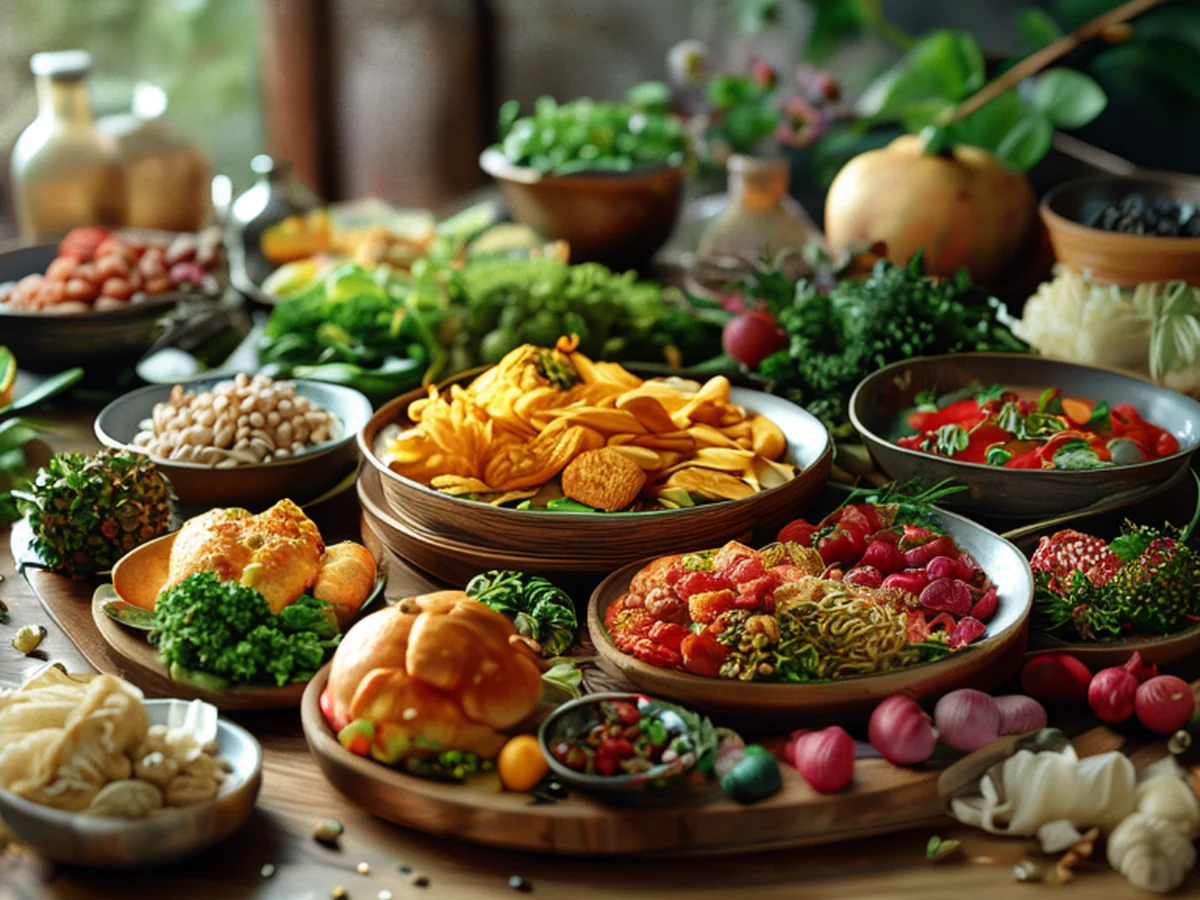
We will examine how these flavors shaped a legacy, while noting that specific regional variations may differ from broader Mediterranean generalizations.
How do spices shape Persian food culture exploration?
At sunset, I inhale the sharp, earthy scent of crushed cardamom while wandering through the crowded bazaar to deepen my persian spice exploration.
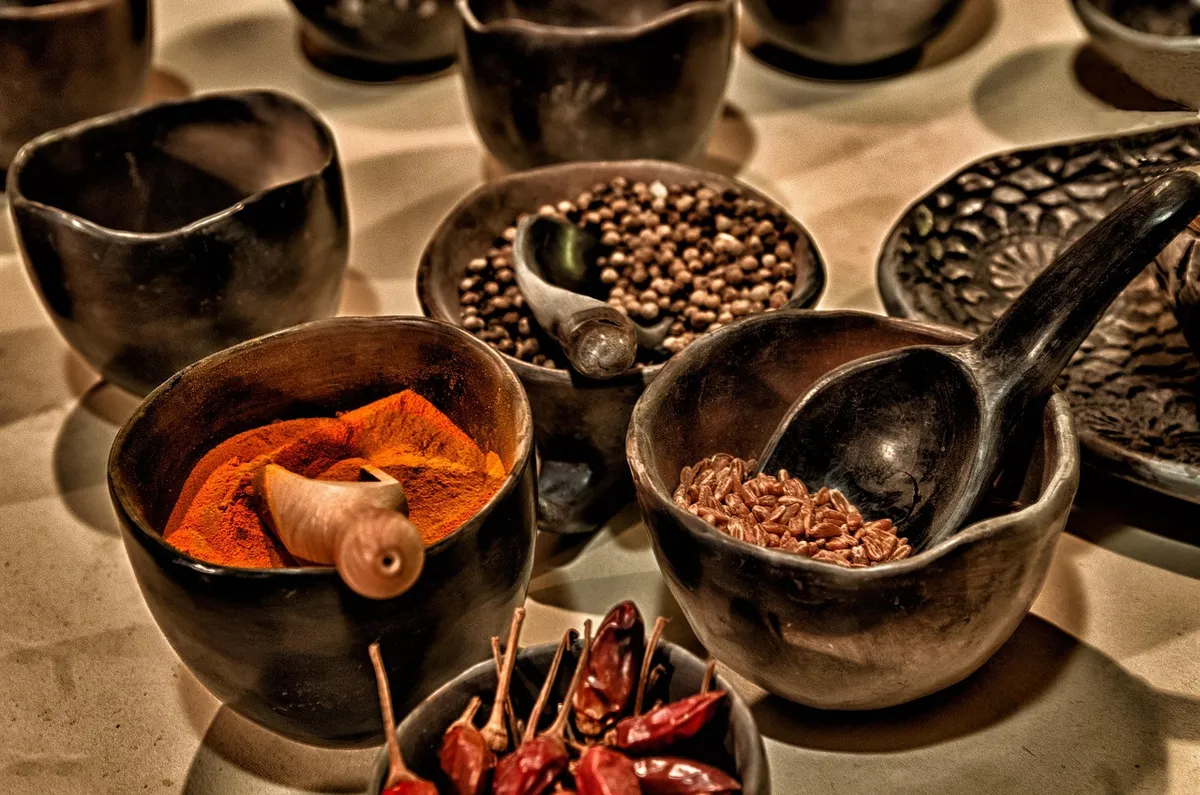
A merchant pours colorful saffron threads into a heavy ceramic bowl, the scent immediately filling the room. This vibrant aroma is the foundation of many traditional recipes, where spices are not merely additives but the soul of the dish.
The use of spices defines the sensory experience of the region. By balancing heat, sweetness, and earthiness, chefs create complex profiles that have endured for centuries. This practice of seasoning is central to understanding the history of the Middle East.
This suggests that local spice profiles are much more specific than general categories suggest.
Understanding these nuances is essential for anyone interested in the history of Persian flavors.
What role do grains play in Iranian traditional dishes?
In the dim light of the kitchen, I run my fingers through a mound of golden rice to understand the role of grains in a traditional persian feast.
A cook carefully washes long-grain rice in a large basin, ensuring every grain is clean before the steaming begins. Grains serve as the essential canvas for the bold spices used in the region.
Rice and other grains provide the structural base for most meals. They absorb the juices of stews and the oils of aromatics, creating a cohesive dining experience. This reliance on stable, nutritious grains allowed these culinary traditions to flourish across vast territories.
In many homes, the texture of a perfectly steamed rice dish is a point of pride. The interplay between the fluffy grains and the rich sauces demonstrates the mastery of heat and moisture. This balance is a hallmark of the region's culinary identity.
How can one master spice rich Persian cuisine?
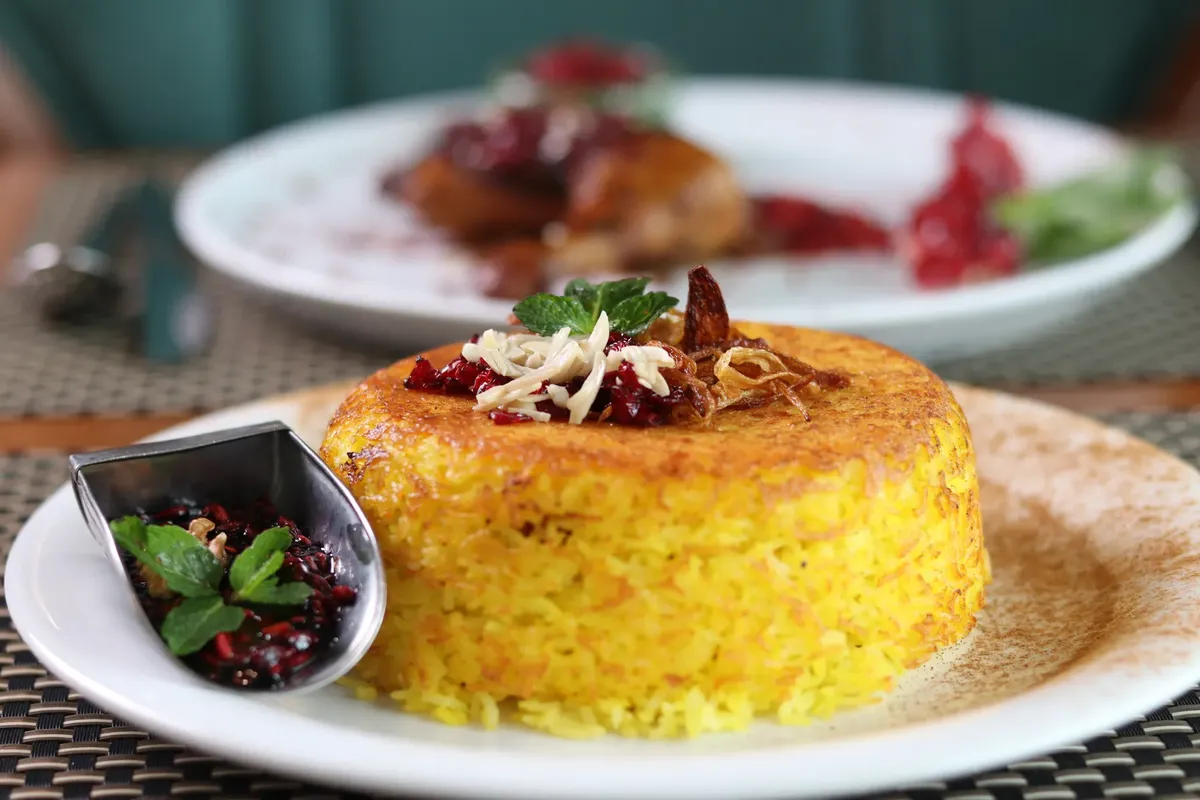
A hand reaches for a small wooden spoon to measure out dried limes and turmeric. To replicate these flavors, one must understand the layering of aromatics.
Mastering these dishes requires a disciplined approach to seasoning. Follow these steps to understand the traditional method:
- Toast whole spices like cumin or coriander in a dry pan to release their essential oils. 2. Layer aromatics with grains, such as placing saffron-infused water over rice to create a crust. b. Balance heavy spices with acidic elements like dried lime or pomegranate to cut through the richness.
After preparing the base, always perform a final check of the seasoning balance by tasting a small portion of the sauce. I once tried to replicate a complex saffron rice dish, and I realized how vital the timing of spice addition is to the final aroma.
How does the history of Persian flavors compare to other cultures?
An explorer compares a bowl of spiced rice to a plate of Italian pasta, noting the different textures. Comparative studies of food help us understand how different civilizations developed unique culinary languages.
| Feature | Persian Tradition | General Mediterranean |
|---|---|---|
| Primary Base | Fragrant Rice and Grains | Wheat and Bread |
| Flavor Profile | Complex Spice Layering | Olive Oil and Herb Focus |
While some cultures focus on the simplicity of fresh produce, this tradition emphasizes the depth of dried aromatics. This distinction highlights the unique identity of the region's cuisine.
What are the limitations of studying these culinary traditions?
A researcher looks at a map of North Africa, noting the vast distances between different food hubs. Studying a single culture's food can sometimes overlook the impact of migration and modern food loss.
A limitation of analyzing these historical food patterns is that they can be influenced by modern environmental factors.
For instance, in a study of food loss and waste in North Africa, researchers found that the region was wasting about 30% of its food, which is likely to increase as the population continues to grow. Such factors can alter how traditional recipes are prepared and consumed in the modern era.
- How do spices shape Persian food culture exploration?
- What role do grains play in Iranian traditional dishes?
- How can one master spice rich Persian cuisine?
The subject here is Persian food culture exploration.
The same subject is also called Golden Persian dining.
The same subject is also called Middle Eastern food history.
This part also covers Exploring Persian culinary arts.
This part also covers Spices in Iranian cooking.
Related





Comments 0