Fermented Kimchi: A 1000-Year Journey of Survival Food
"Preservation is the art of capturing a moment in time to survive the seasons."
Kimchi is much more than a spicy side dish; it is a sophisticated family of fermented vegetables that has sustained a culture for centuries. By understanding its history and the science of fermentation, we can appreciate how a simple survival tactic became a global culinary icon.
Key Takeaways * Kimchi is a diverse category of fermented vegetables rather than a single recipe. * Its history is rooted in the necessity of preserving harvests for harsh winters. * Salt and controlled fermentation are the fundamental pillars of its development.
* Modern chefs are continuously evolving kimchi through fusion and global adaptations. * The fermentation process provides significant health benefits through live cultures.
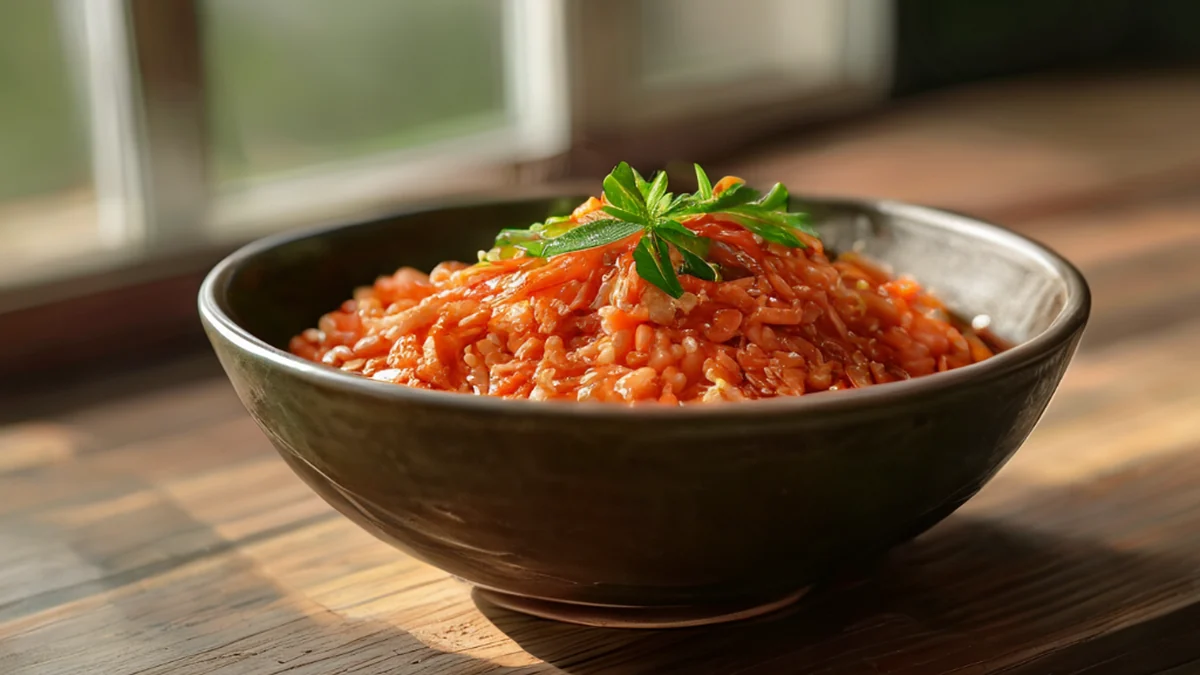
The Necessity of Winter: Why Kimchi Began
A heavy frost settles over a barren field in late autumn. In ancient times, this cold meant the difference between life and death for a community.
Early forms of kimchi emerged as a crucial method for preserving autumn harvests through harsh Korean winters. Before the widespread availability of refrigeration, people needed a way to keep vegetables edible for months.
These early versions were often just vegetables soaked in brine to prevent spoilage.
As culinary techniques evolved, these simple salted vegetables transformed into the complex, spiced mixtures we recognize today. The introduction of chili peppers in later centuries added a layer of heat and preservation power that changed the profile forever.
The fundamental role of salt is to control microbial activity. By drawing moisture out of the vegetables, salt creates an environment where harmful bacteria cannot thrive, but beneficial ones can.
Depending on the vegetable type, this salting process can use 5–7% salt for 12 hours or 15% salt for 3–7 hours.
As of 2025, the tradition of preparing large batches of kimchi remains a vital seasonal ritual. Families often prepare 20 to 30 heads of cabbage at a single time to ensure enough food lasts through the cold months.
This process typically takes 4 to 6 hours of intensive labor to complete. However, the preservation method is less effective if the storage temperature fluctuates significantly above freezing.
But how does a pile of salted cabbage actually transform into something complex?
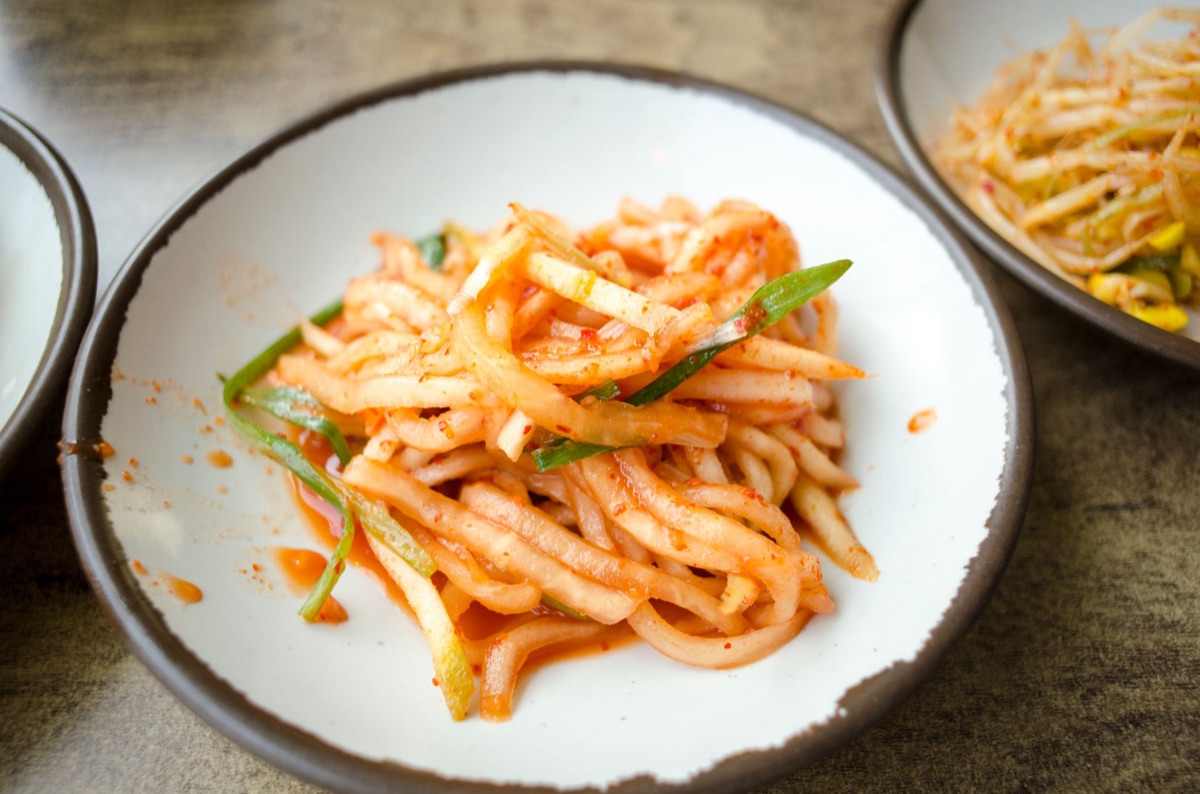
The Science of Fermentation: How Kimchi Develops Its Depth
A heavy ceramic jar sits in a dark, cool cellar. The air is still, and the only sound is the faint bubbling of gases escaping the lid.
The transformation of kimchi is an anaerobic fermentation process. This means it occurs in an environment without oxygen. Specific microorganisms, particularly *Lactobacillus* strains, consume the sugars in the vegetables and produce lactic acid.
This acid acts as a natural preservative and provides the signature tang.
To achieve deep fermentation, environmental control is vital. The ideal salt concentration during fermentation is about 3%. If the salt level is too high, fermentation stalls; if it is too low, the vegetables may turn mushy or spoil.
Temperature plays a decisive role in the texture and flavor. For example, slow fermentation at 7.5°C is often used to develop a more complex, nuanced flavor profile compared to rapid fermentation at room temperature.
The timeline of fermentation can vary wildly: a fast fermentation might take only a few days, while a slow, cold fermentation can take weeks to reach peak maturity.
- Mix the salted cabbage with a seasoning paste containing chili flakes, garlic, and ginger.
- Pack the mixture tightly into a jar to remove all air pockets.
- Leave the jar at room temperature (approximately 20°C) for 24 to 48 hours to initiate fermentation.
- Move the container to a cold environment to slow the process and develop acidity.
But science is only half the story; the real impact is felt at the dinner table.
Why is kimchi such a staple in the Korean diet? A steaming bowl of white rice is placed on a wooden table. Beside it sits a small, colorful dish of vibrant red cabbage, ready to be eaten.
In Korean culture, kimchi is not just a side dish; it is a daily necessity. It is integrated into almost every meal, providing a consistent source of flavor, texture, and nutrition.
While it is often served as a combination of small plates, it functions as a primary component of the dietary balance. The scale of consumption is significant.
In South Korea, kimchi is consumed in massive quantities annually, reflecting its status as a national staple. Historically, this was managed through the ritual of making large batches collectively.
This communal effort ensured that every household had enough preserved food to last through the coldest months.
| Feature | Traditional Method | Modern Adaptation |
|---|---|---|
| Storage | Large earthenware jars (*onggi*) buried in ground | Refrigerators and specialized kimchi fridges |
| Primary Goal | Long-term winter survival | Daily flavor and probiotic variety |
| Flavor Profile | Heavily salted and deeply fermented | Often lighter, fresher, or fusion-oriented |
As of 2025, kimchi continues to be a fundamental component of daily meals across the peninsula. Most households keep at least 2 to 3 different varieties of kimchi in their refrigerators at any given time.
A standard serving size is usually 30 to 50 grams per meal. When I tried making my own batch, I was surprised by how much the flavor changed after just 7 days.
However, the journey of kimchi is moving far beyond its original borders.
Kimchi Beyond the Tradition: Modern Adaptations and Global Reach
A chef in a bright, modern kitchen drizzles a spicy kimchi-based sauce over a grilled salmon fillet. The aroma of fermentation mixes with the scent of searing fish.
Contemporary chefs are increasingly treating kimchi as a versatile ingredient rather than a static tradition. This has led to a wave of fusion innovation.
You might find kimchi paired with non-traditional ingredients like cheese, avocado, or even incorporated into tacos and burgers. Modernizing the profile often involves adjusting spice levels or sweetness to suit global palates.
In some regions, kimchi is made with less salt or different vegetable bases to suit local tastes. This adaptability is a major driver of its global appeal.
As kimchi moves into international kitchens, it has become a driver of gastronomic tourism. People travel to experience authentic fermentation cultures, but they also bring those flavors back to their own countries.
As of 2025, kimchi has transitioned from a local staple to a globally recognized superfood. Modern fusion recipes often use only 10 to 15 grams of kimchi as a garnish for tacos or burgers.
Some artisanal brands now sell small 200g jars specifically for international shipping. When I tried adding kimchi to my morning omelet, the spicy acidity provided a much more refreshing breakfast than I expected.
But what does this combination of spice and fermentation actually do for our bodies?
The Proven Powerhouse: Health Benefits of Fermented Foods
A person finishes a meal and feels a sense of lightness and satisfaction. The combination of fresh vegetables and fermented cultures provides a clean energy boost.
The health benefits of kimchi are closely tied to the fermentation process. Consuming live, fermented cultures provides a direct source of probiotics, which are beneficial bacteria for the human gut.
Beyond gut health, research has highlighted broader systemic benefits. Nutrition reviews (2018) have shown that the consumption of fermented foods is associated with reduced risks of type 2 diabetes, metabolic syndrome, and heart disease, along with improved weight management.
As a functional food, kimchi provides a combination of fiber, vitamins, and probiotics. Because it is typically consumed as part of a balanced diet, it serves as a natural way to incorporate these health-promoting elements into daily life.
As of 2025, the global interest in probiotic-rich foods has reached an all-time high. Consuming small amounts, such as 1 to 2 servings daily, can introduce beneficial bacteria into the gut.
Many people find that eating fermented vegetables 3 to 5 times a week supports digestive regularity. However, the health benefits may be limited if the kimchi contains excessive amounts of sodium.






Comments 0